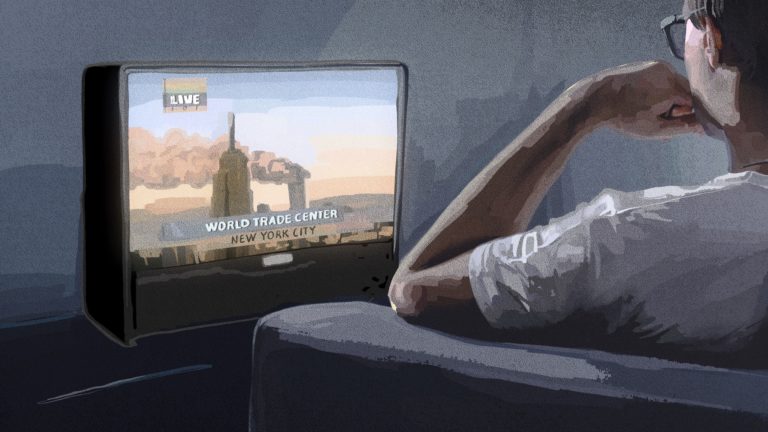
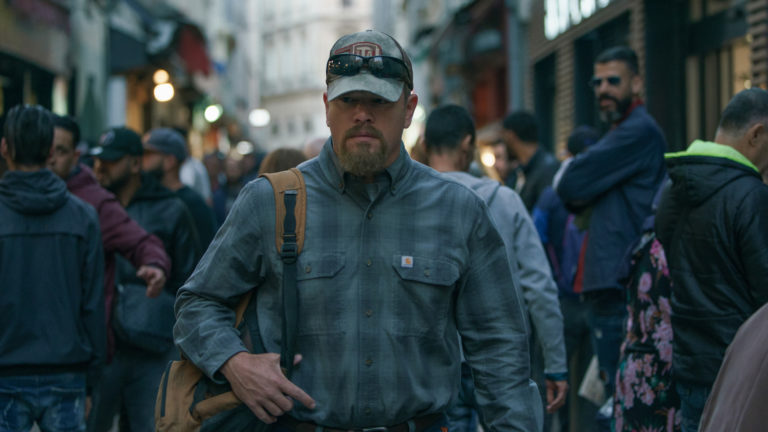
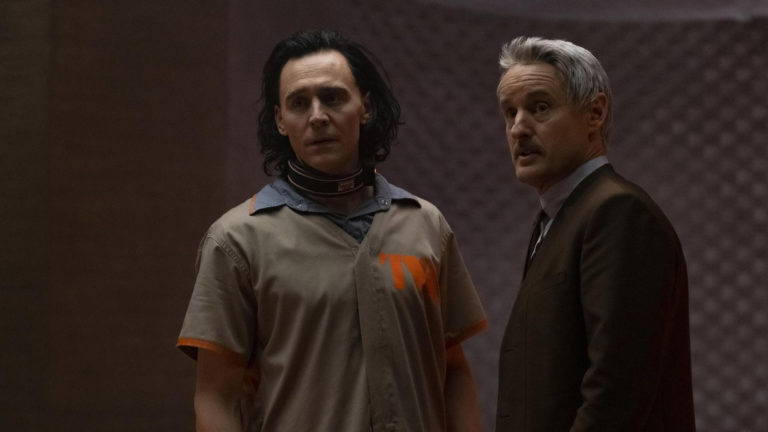
| One of my favorite definitions of “culture” comes from Ken Myers, who says culture is “what we make of creation” in two senses: what we tangibly make/create out of the physical stuff of creation, and the meaning we make of creation. “What is most fundamentally cultivated by a culture is a posture or orientation to creation, and thus to the Creator,” Myers says. “This gives us a standard by which to evaluate cultural forms: Do they represent well the kinds of creatures we are and the kind of world in which God has placed us?” Because culture-making is essentially sense-making—mankind’s attempts to bring coherence and order to the chaos of the world—it is revealing to pay attention to cultural works and trends. They are a window into a society’s soul—a real-time chronicle of how humans understand themselves, the world, and the events happening around them. As a history-loving cultural critic, one of my favorite exercises is to trace the lineage of trends I notice in pop culture, working backward to investigate historical sources and streams that converged to produce this current trend. But the reverse is also interesting—to look at a specific historic event and then track its impact on pop culture in subsequent years and decades. In my new article, featured below, I try to do this with Sept. 11, 2001. What works and trends of pop culture came about as a result of this momentous, ground-shifting event? I hope my brief attempt to answer this question is insightful for you—and perhaps points you to some thoughtful works of culture that helped us (and are still helping us) make sense of that tragic day. |