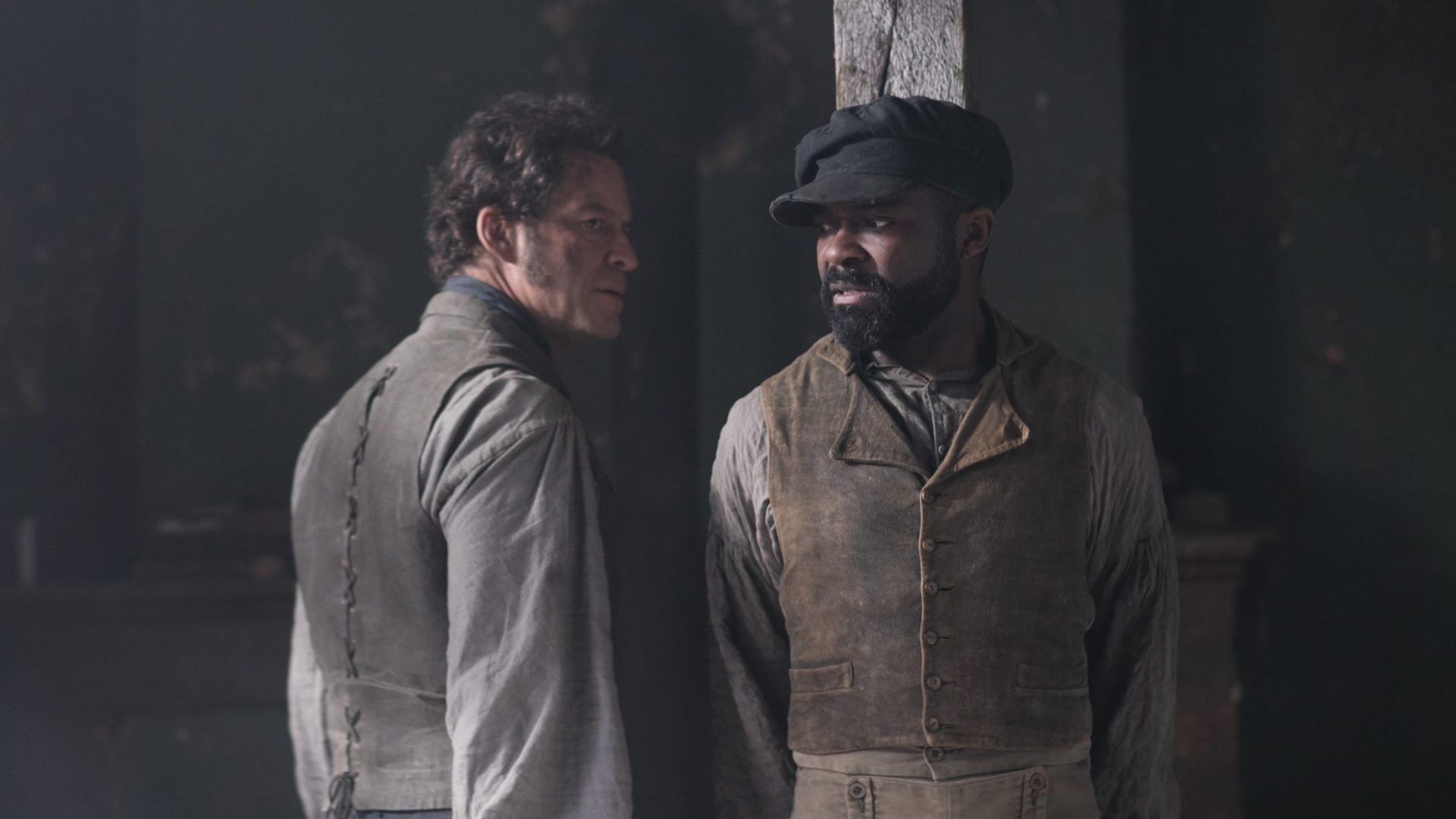
| I spent this week in New York with the staff and fellows of The Keller Center for Cultural Apologetics. Sadly we didn’t make time for a Broadway show. But then, Les Misérables has been off Broadway since 2016. We would have needed to settle for anything else. The world-renowned musical debuted at London’s Barbican Theater 40 years ago this month. Especially since the movie version premiered in theaters Christmas 2012, many Christians have rejoiced in the how this adaptation of Victor Hugo’s novel draws out themes of legalism and grace. As The New York Times pointed out, British theater critics didn’t immediately warm to the musical 40 years ago. It came across as dark. Traditional. Moralistic. Audiences, however, loved it. And continue to love it after more than 15,500 showings in London. The program debuted at New York’s Radio City Music Hall in summer 1986. I paid particular attention to how The New York Times described the arduous process of translating Hugo’s 1862 novel into a modern musical. The producers struggled to identify a unifying narrative thread through Hugo’s 1,400 pages. In a parable of the post-Christendom West, they fell back on a familiar structure. Co-producer John Caird cast Valjean as a New Testament believer in grace and Javert as an Old Testament believer in justice. “As a bunch of liberal humanists, we had tried to avoid every mention of religion,” Caird said in the line that grabbed my attention. They couldn’t find any other motivation to give the show meaning and purpose: “sewing God into the show was what animated the characters,” Caird said. We’ll have to forgive Caird’s hermeneutical fail to focus on this main takeaway: look at how the post-Christendom West is eager but unable to escape the gospel frame. Sure, audiences love Les Misérables for its dramatic Paris barricades, heart-tugging ballads, and soaring ensemble anthems. But it resonates more deeply not only as an echo of Christendom but as the very question at the bottom of every human heart. In a world plagued by injustices—what we have done and left undone, and what has been done to us—can our relentless pursuit of justice put the world to rights? Or must we seek forgiveness, and to forgive others? The Bible doesn’t pit forgiveness and justice against each other. They are joined at the cross in the sacrifice of the perfect One, Jesus Christ (Rom. 3:21-26). The ongoing success of Les Misérables after 40 years reminds us how much the world still needs this good news of forgiveness in our longing for justice. |