TGC-icon-TCC-email-light

A Newsletter of weekly meditations on Biblical Theology and curated resources from The Carson Center

April 29, 2026


Intro Heading

Read Deuteronomy 26, Psalm 117–118, Isaiah 53, Matthew 1

Exodus 19:5–6a “Now therefore, if you will indeed obey my voice and keep my covenant, you shall be my treasured possession among all peoples, for all the earth is mine; and you shall be to me a kingdom of priests and a holy nation.”

Deuteronomy 26:18–19 “And the LORD has declared today that you are a people for his treasured possession, as he has promised you, and that you are to keep all his commandments, and that he will set you in praise and in fame and in honor high above all nations that he has made, and that you shall be a people holy to the LORD your God, as he promised.”

What makes you you? What’s your core identity and purpose?

In Deuteronomy 12:1–26:15, Moses instructs Israel more concretely about how they must keep the Lord’s covenant once they settle in Canaan. Moses then shifts in Deuteronomy 26:16–19 to “today” on the plains of Moab (vv. 16, 17, 18). In these four verses, the covenant mediator formally summarizes the mutual obligations between Israel and the Lord. To renew the Sinaitic covenant, each party must accept the other’s vow.

The Lord promised the Israelites that if they would keep his commandments, they would be “my treasured possession among all peoples” (Ex. 19:5; cf. Deut. 7:6; 14:2; Ps. 135:4; Mal. 3:17). The Lord also had sworn that covenant-keeping Israel would be “a holy nation” among the others (Ex. 19:6; cf. Deut. 7:6; 14:2, 21; 28:9; Isa. 62:12).

On Moab’s plains, Moses is reminding Israel what makes them Israel. It’s all about God’s grace. Their King chose to redeem them for a relationship of loyal love. He bestowed on them a special status and vocation. If they obey his voice, they can be consecrated to the living God in their everyday lives and show the world what he is like (cf. Deut. 4:6–8). And they could expect blessing beyond their wildest dreams (Deut. 26:19).

Israel’s identity and mission find fulfillment in the church’s identity and mission (see 1 Pet. 2:9–12). We too are to abide in our Redeemer’s love and commands, so we can know the fullness of joy in him (John 15:1–11). It’s Christ who makes us who we are.  – Mary Hannah

Reflection: To what extent do you view your identity and purpose through the lens of God’s grace in Christ? What are some lesser or false identities you sometimes let overshadow your core identity in Christ?


Featured Content

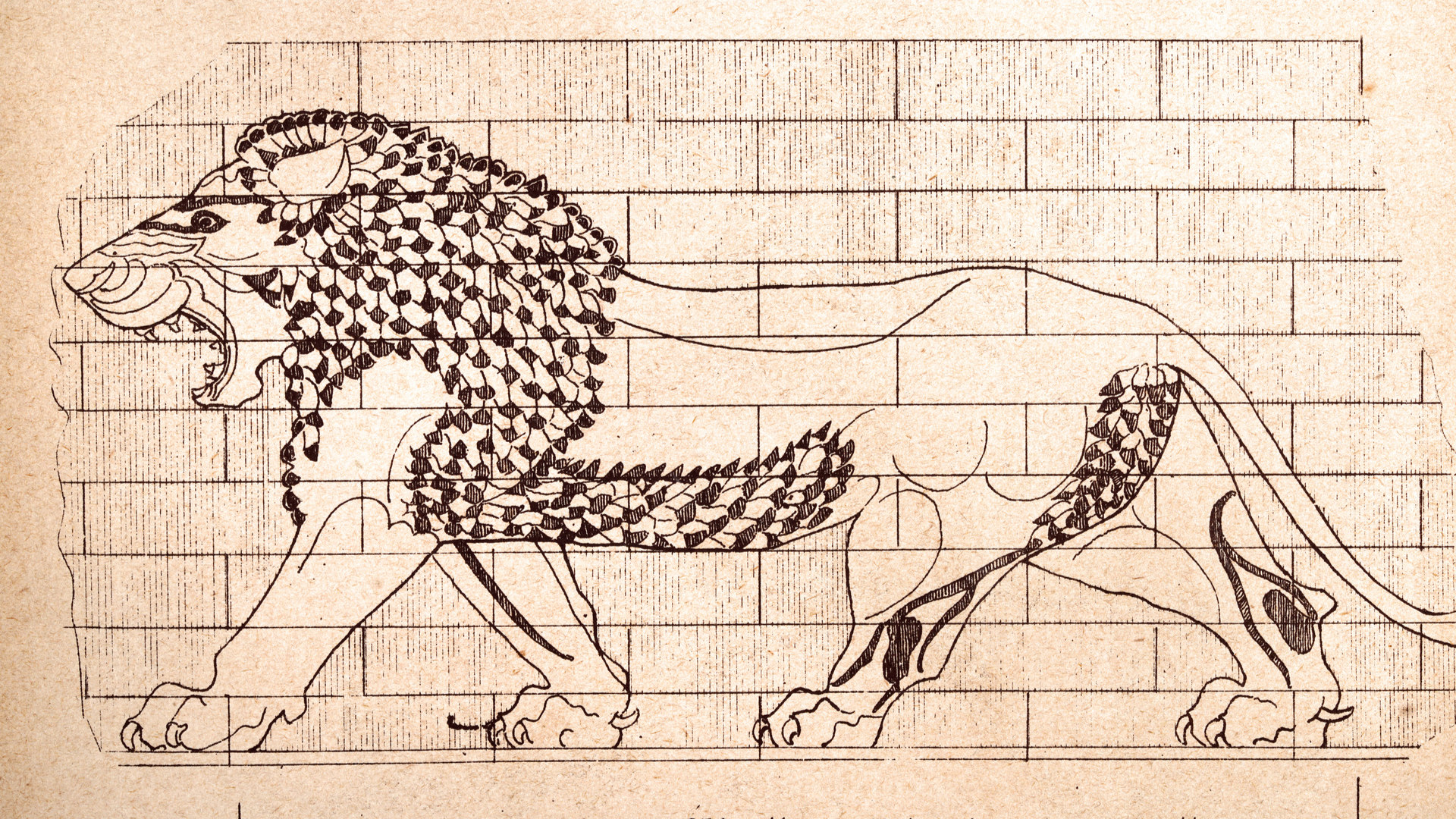
“Lies and a Lion: Making Sense of 1 Kings 13” by Jeremy Kimble

Many years ago, I saw the second installment of Tolkien’s trilogy, The Two Towers, in the theater. I ran into a friend there who was excited to watch the film. When I asked him what he thought of the first movie, Fellowship of the Ring, he informed me he hadn’t yet seen it. I then asked if he had read the books. Again, he said no.

At this point, I informed my friend of the obvious: “You’re going to be really confused.” He assured me it would be fine. After the movie was done, I asked him what he thought. Shocker, the plot perplexed him.

Have you ever been similarly confused while reading the Bible? This can happen even if we’ve read the Bible from cover to cover. One such perplexing story is 1 Kings 13. We need to seek clarity as this narrative has implications for our lives as Christians today. Specifically, we learn that the word of the Lord must be rightly heard, taught, and obeyed.

READ MORE

banner

Featured Video

According to a penal substitutionary view of the atonement, Christ bears divine wrath and punishment in the place of sinners. But how is this doctrine consistent with classical Trinitarianism and its emphasis on the unity of triune operations and the simplicity of the divine nature? This session from TGC25 with Adonis Vidu, professor at Gordon-Conwell Theological Seminary, will help you preach and teach the doctrine of penal substitution in a manner consistent with creedal Trinitarian orthodoxy.


Featured Essay

After Easter, our churches often move on to our next sermon series and largely forget about the church calendar until Christmas time. As a result, the ascension of Christ doesn’t occupy as central a place in our thinking about the work of Christ. In this theological essay, Robert Letham introduces us to the ascension. He summarizes, “The ascension marks the departure of Jesus from interaction with his disciples in this world and his entrance into the realm of God. In this, he is exalted to supreme authority over the whole creation in his mediatorial capacity as the incarnate Son of God.”

READ “The Ascension of Christ” by Robert Letham

Weekly
Only have time for the best-of-the-best from TGC? This weekly email includes an editor’s pick for the one newly published resource you shouldn't miss, as well as a list of the six most popular pieces of content from the week. Sign up to stay in the loop!
SIGN ME UP