|
Dear Reader,
When I used to work at a seminary library—one of the best theological libraries in the world—I’d occasionally unpack and organize boxes of donated books. Sometimes the family of a recently deceased individual would donate an entire personal library. What I figured would be some routine matter turned into an existential event. Rummaging through these old collections, I felt like trespasser. Dog-eared works filled with marginalia, some barely touched, now forgotten and orphaned. An opportunity to fill a new library, a resource for a new generation of students. To me, a memento of memento mori—remember that you will die.
In tidying up his library, James K.A. Smith likewise reflected on this theme. According to Smith, “a young man builds his library in hope. Each paperback treasure is acquired as an act of aspiration. A library is an image of the man he hopes to be: the canon he constructs is a standard of what he thinks he ought to know. It grows quickly, in unexpected ways, exceeding his attention. But there will always be more time to read, right?” But a middle-aged man “tends his library with a more sombre aspect. Reshelving a book unfinished is one more failure, a door one closes perhaps never to return.”
Whether or not you relate to my quarter-life sobriety or Smith’s midlife existential realization, we should all have a sense of bibliographic mortality. As with all things, death relativizes our reading, reminding us that we’re here today and gone tomorrow. With a good dose of Ecclesiastes’ realism, your treasured tomes of today will appear at Goodwill for a buck. But death also gives meaning to our reading, reminding those in Christ—those with unveiled faces who behold Jesus (2 Cor. 3:18)—that our reading can have an eternal influence for good.
As Tony Reinke argues in his delightful book Lit! A Christian Guide to Reading Books, “Once God enlightens our spiritual eyes, we can read books for the spiritual benefit of our souls—whether it’s the Ten Commandments, a thick systematic theology, the poems of John Donne, C. S. Lewis’s The Chronicles of Narnia, or a microbiology textbook. To read any book for eternal benefit, we must behold the glory of Christ. . . . We tap into the eternal value of literature when we read in the presence of God, unveiled to the glory of our Savior.”
Yes, a book might remind you that will die. But those in Christ can take and read with resurrection hope, receiving every book as a gift from the Giver.
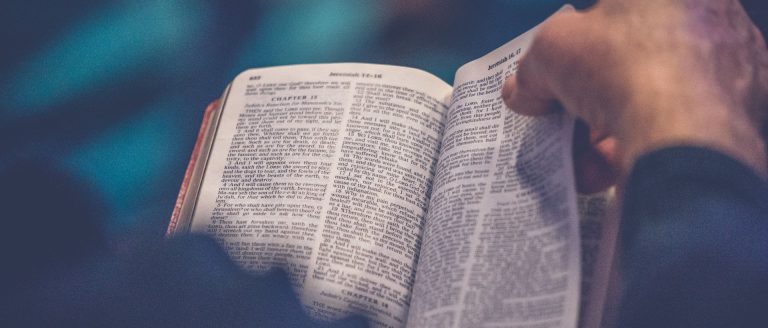
Well, with this pick-me-up reflection out of the way, let me offer a personal book recommendation: Peter Leithart’s survey of the Old Testament, A House for My Name (Canon Press, 2000). Who knew that a 20-year-old book with such an uninspiring cover and prosaic title could be so riveting? This book is a gem, making the sweep of the Old Testament come alive and the connections rich and evocative. I don’t always agree with Leithart—in fact, I often argued back with him on the margins—but I’ve been spurred on in my Bible reading by having him as a guide, and I suspect you will too.
If you’re looking for a Bible study with an evangelism/missions focus, consider picking up Evangelism as Exiles, which follows the letter of 1 Peter. Or if you’re looking for an outreach resource, then consider Lost and Found, which features testimonies from Joni Eareckson Tada, Sam Allberry, and many others. Both of these TGC resources are steeply discounted if you buy 10 or more at our online bookstore!
If a friend forwarded you this emaill, then consider subscribing to our monthly books newsletter to keep up with the latest Christian books. And, as always, feel free to respond to this email: Let us know what you like, what you’d like to see, and how TGC can serve you with our coverage of books.
Happy reading.
Ivan Mesa
Editorial Director
|