|
|

|
|
|
Dear Reader,
You’ve likely survived the chief Thanksgiving festivities: Great Aunt Grizelda and cousin Clarence fighting over the last of the cranberry salad; a three-game marathon of NFL football; and wondering whether the button on your jeans can handle the stress of another piece of pumpkin pie.
With any luck, you have managed to stay in bed while the Black Friday shopping expedition set out before the crack of dawn. Today is the perfect day to put your feet up and dive into a good book. There are many to choose from.
In fact, there are so many good books coming out from godly authors, on encouraging themes, with solid content. I am thankful for the state of evangelical publishing. The struggle is really figuring out what to read next, rather than finding another good book to read.
As we count our blessings, we should be thankful for big things and little things. We should be thankful for our pastors and elders, our families, and ready access to resources that can help us grow in Christlikeness. And, we should be thankful for books—old and new—that challenge the mind while feeding the soul.
Happy reading!
Andrew Spencer
Associate Editor
|
New from TGC
|
|
|
Book Review
Matt Rogers
|
|
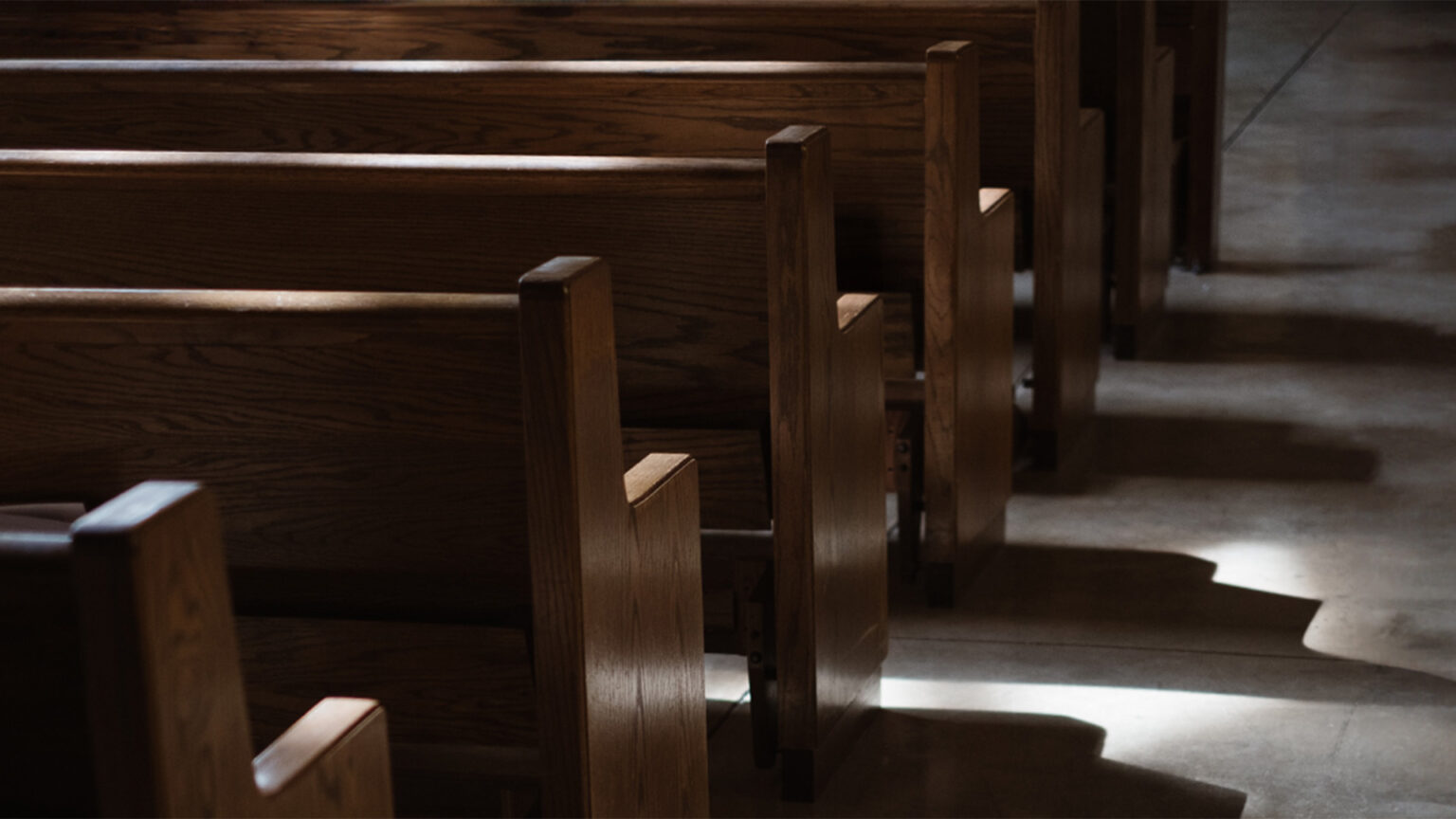
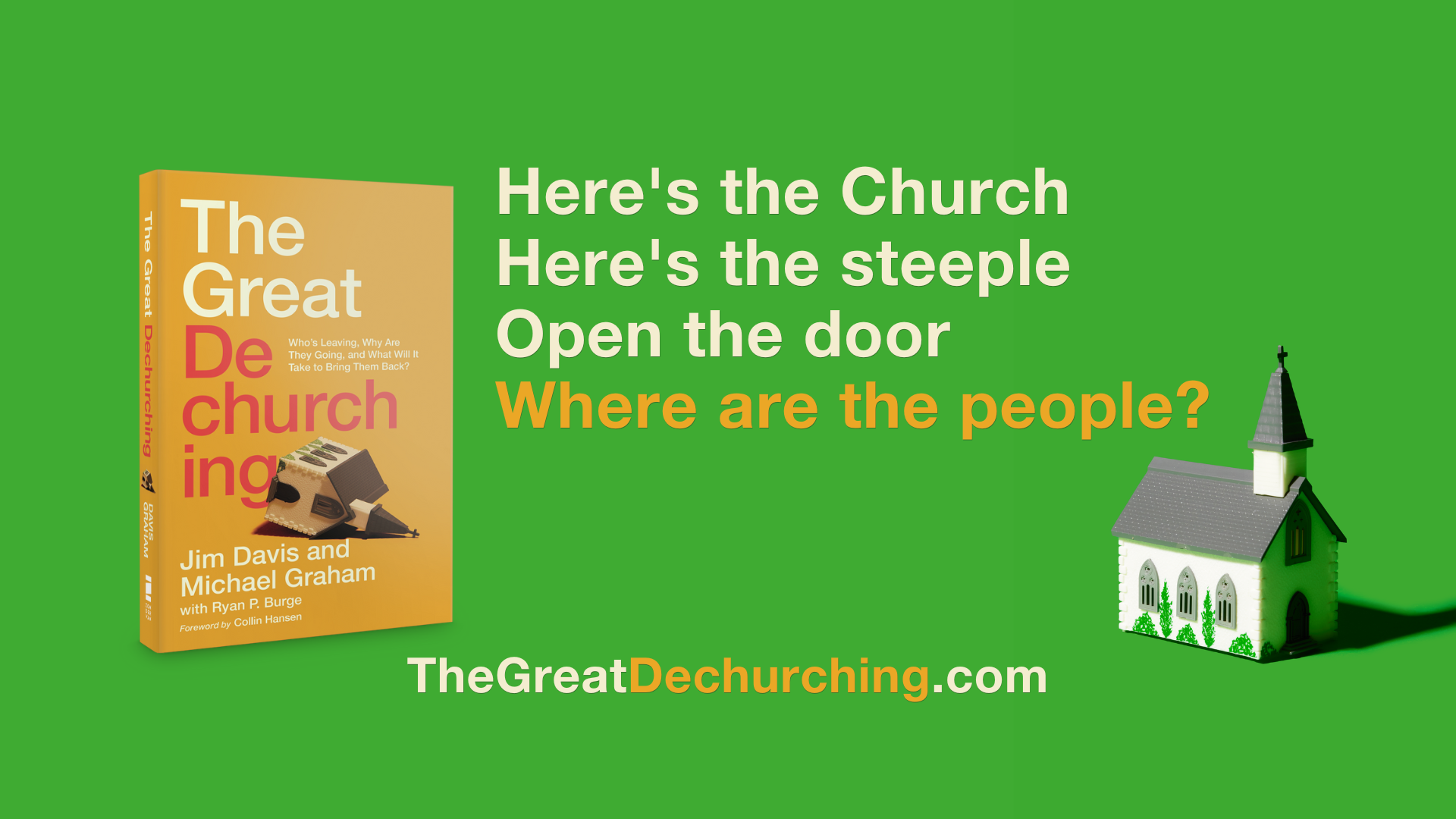
“Despite its challenges, dechurching provides church leaders a unique opportunity to equip church members to make the most of their relationships so they forge robust connections with each other. We get to innovate ways to digitally disciple our churches in a world that inundates us with information. Thankfully, the church has the Holy Spirit to help with both these issues.” Read the review.
|

|
|
Book Review
Dennis Greeson
|
|
“Bavinck’s argument presents a hopeful message for our own day. He urges us to see science as organically reliant on faith to realize that the Christian faith in particular holds the key to rescuing science from ideology. Modern science hasn’t rid society of religiosity. Rather, our society increasingly approaches science cloaked in alternative spiritualities.” Read the review.
|

Book Review
Nathan A. Finn
|
|

Book Review
Andrew Spencer
|
|

Book Review
Andrew Spencer
|
|
|
Links for the Reading Life
|
| 1. |
Kyle Melchnik, “A Book Club Started Reading ‘Finnegans Wake’ in 1995. It Just Finished.” (The Washington Post)
“By reading slowly, the Venice group was able to discuss dozens of the book’s themes—what happens after death, how language is created, how to live in the present and how to avoid becoming dependent on technology.”
|
| 2. |
Joel Miller, “Open Thread: Too Long, Too Short?” (Miller’s Book Review)
“What books would you say were too long for your taste, and which too short? What’s a book that just seemed to drag on and on, and what’s one that ended too soon?”
In general, my rule is stay away from the comments section, but in this post by Joel Miller there is a meaningful discussion going in the comments about books that are good, but whose length isn’t quite right.
|
| 3. |
Dixie Lane, “Learning to Read in 2023.” (The Front Porch Republic)
“Are we asking what curriculum we should use to teach reading, or what children need in order to learn to read (including curriculum, but also so much more than that)? Overall, I think we have lately been ignoring the reality that many different factors go into turning the process of learning to read from an exchange—or even a battle or war—in which a very small child, often as young as four or five, is expected to be able to master academic skills prematurely on pain of being labelled “behind,” into a personal, relational experience which takes into account who and how young children generally are and what might actually help them learn.”
|
| 4. |
Ignacio M. Sanchez Prado, “The Humanities Are Worth Fighting For.” (LA Review of Books)
“An immediate goal for the humanities should be to provide first-year students with a schedule structured so as to allow them to consider all disciplines of thought, rather than front-loading STEM requirements that impede their consideration of our fields. We also need to ensure that students understand that the English department and the English language are not the only options they have for studying the humanities. And given that reliable information shows that humanities majors have rates of employment comparable to business majors in the professional marketplace, we need to give our students the tools to make decisions according to reality and not prejudice.”
|
|
| |
|
|

The Gospel Coalition
8520 Allison Pointe Boulevard, Suite 220, Indianapolis, IN, 46250
Take control of your inbox
Manage your preferences and choose which newsletters you want to receive or unsubscribe from all emails.
|
|