|
|
|
|
|
Dear Reader,
One of the biggest challenges we face in our local church is how to serve those with some sort of disability well. Our facility is small, as is our budget. We want to serve all our neighbors but sometimes struggle to accommodate the range of needs in our community, from mental health diagnoses to physical limitations to cognitive and behavioral differences.
Sometimes the range of needs we face seems overwhelming. Where do we begin our efforts? The options are paralyzing.
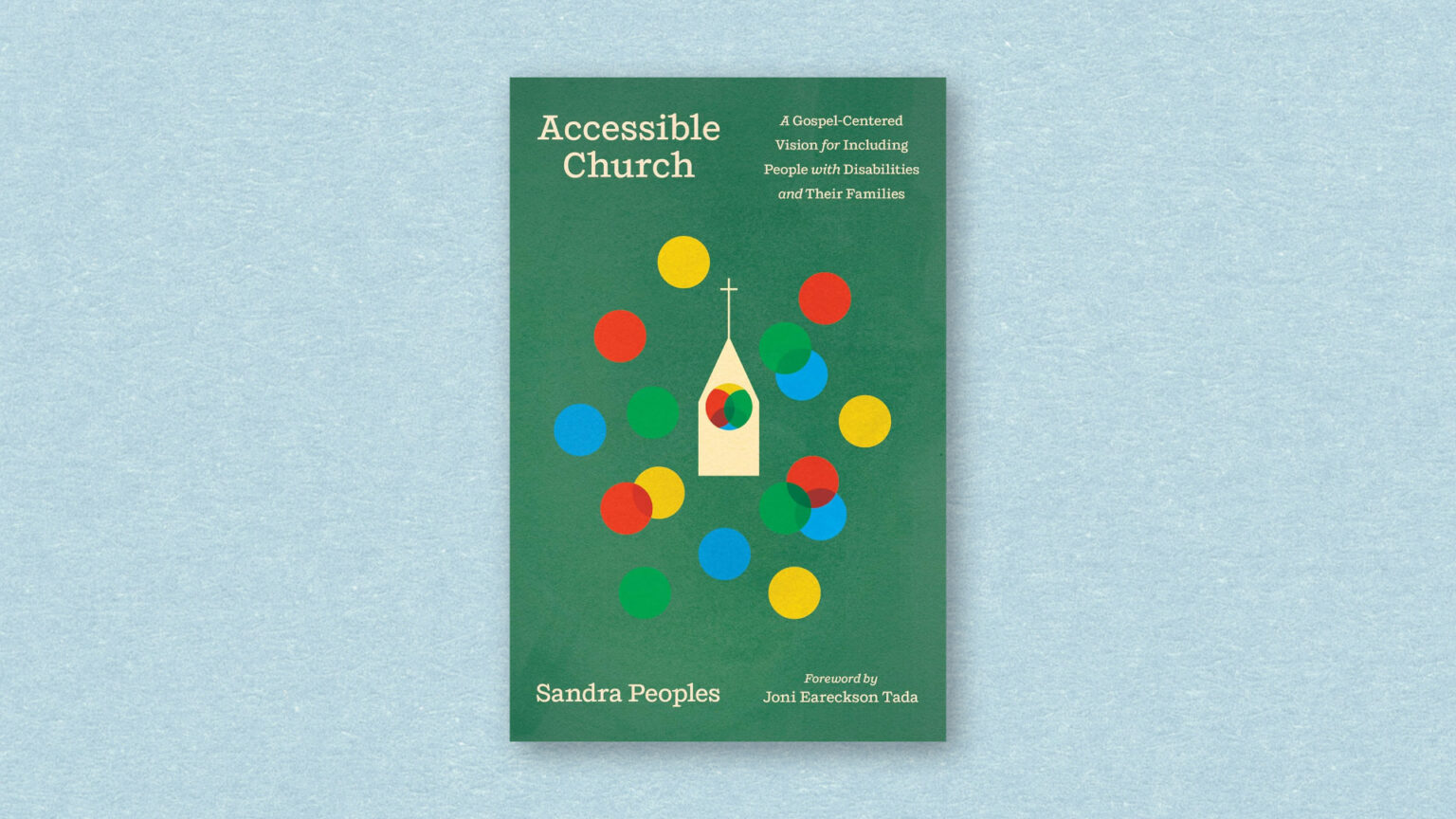
In Accessible Church, Sandra Peoples offers some simple frameworks and suggestions that can break through the paralysis. In his review, Ethan Holsteen described it as “a treasure trove of ideas for church leaders striving to better minister to families affected by disabilities.” I was struck by the simplicity of some of the suggestions—we can take inexpensive actions immediately to improve our church’s ministry.
Yet this book is more than a to-do list for already busy church leaders. It’s a reminder that the main purpose of making our churches more accessible is to reach often underserved people with the gospel. That’s not just another ministry opportunity; it’s central to the local church’s mission.
Happy Reading!
Andrew Spencer
Associate Editor
|
New from TGC
|
|
|
Book Review
Ethan Holsteen
|
|
“Some churches may be able to create formal [disability] programs with budget line items right out of the gate, but that’s not where most congregations will begin. Throughout the book, Peoples offers simple suggestions, some with nominal cost, such as creating intake forms that will identify people’s needs, lanyards that assist volunteers in remembering those specific needs, and family care plans that can help church leaders and families coordinate efforts to run an effective ministry.” Read the review.
|
|
|
Book Review
Sherelle Ducksworth
|
|
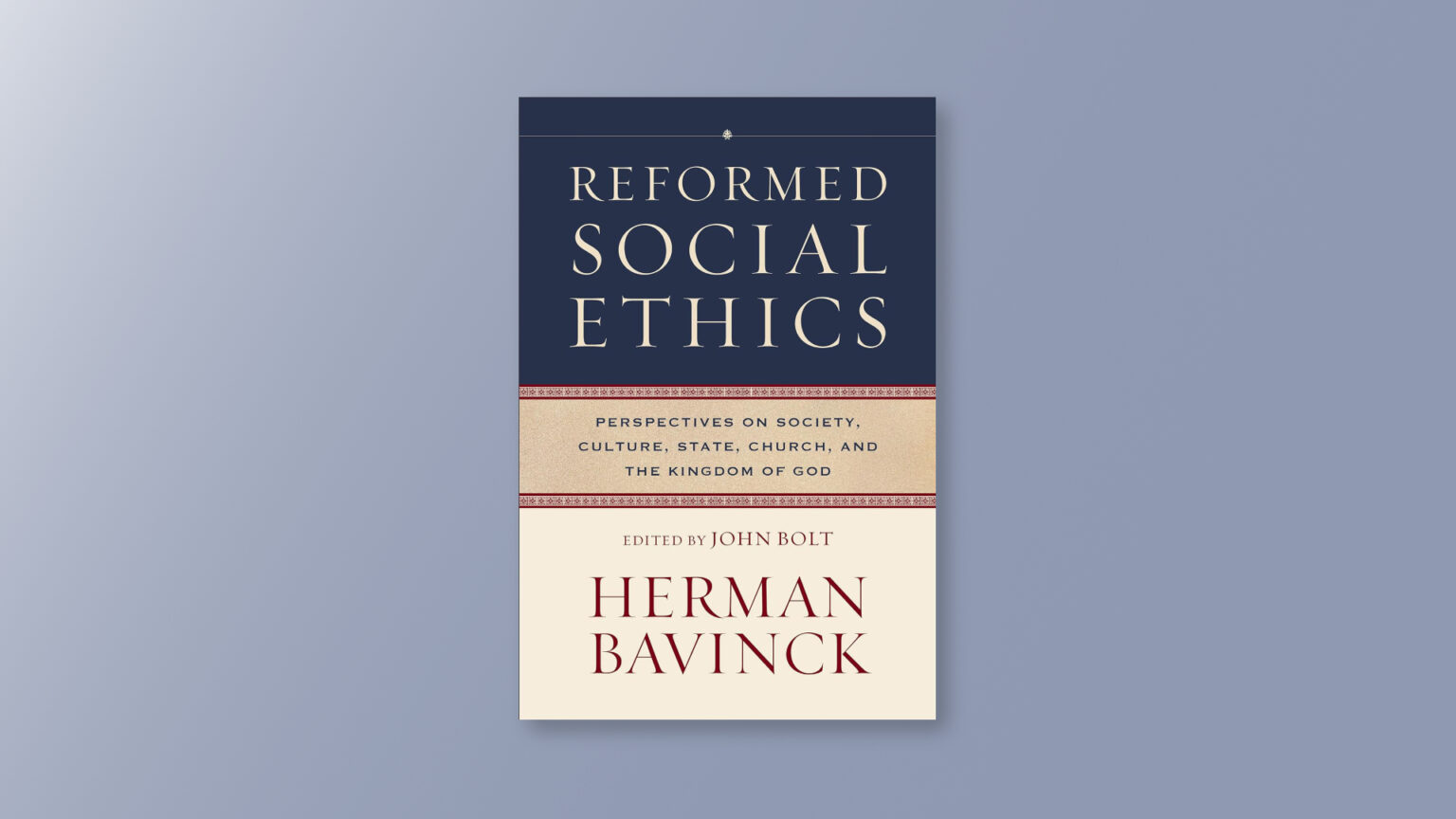
“The gospel is a call to salvation that has implications for the way we live in society. Bavinck applied this distinction well to the relationship of church and state, but at times he was too complacent about legitimate social wrongs. We witness in Bavinck the power of biblical fidelity and the limitations encouraged by his social context.” Read the review.
|

Book Review
Sean DeMars
|
|

Book Review
John Shelton
|
|
|
Links for the Reading Life
|
| 1. |
Sarah Eekhoff Zylstra, “‘Night and Day Difference’: The Growth of Good Publishing in Egypt” (The Gospel Coalition)
“The original library in Alexandria is known as the most famous and important in the ancient world. In Jesus’s time, it probably held more than half a million scrolls. Some of the world’s most influential scholars—think Euclid and Archimedes—learned and thought there.
“Today, Alexandria is home to a small Reformed publisher called El-Soora, which has sprung up in conjunction with—you guessed it—a small but expanding movement of Reformed theology.”
|
| 2. |
Scott Hubbard, “What Should I Read Next?” (Desiring God)
“Books — or, better, paragraphs and sentences — change lives. Words shape worlds. We read, John Piper writes, because ‘we want to discover something we do not even know is there, some dimension of reality that might change us . . . for the better — even very much better.’
“Every chapter we read has the potential to shape our own next chapter. A fictional world might bust through the pages to change our world. Good books (and even some podcasts) run like rivers through the soul, carving valleys, shaping landscapes.”
|
| 3. |
Emily Harrison, “Saving Our Kids from Scrolling to Death” (The Gospel Coalition)
“While many people have compared smartphones to cigarettes, Patrick Miller is perhaps more accurate when he writes in Scrolling Ourselves to Death, ‘Your phone is a digital syringe.’ Nicotine addiction may cause cancer after decades of use, but “digital dope” is leading to deaths of despair for teens and 20-somethings now.
“Miller goes on to say, ‘Ninety-five percent of teens between thirteen and seventeen are using digital dope, and most parents can’t bring themselves to tell them to stop, even though social media’s dangerous and addictive effects are now widely known.’”
|
| 4. |
Ivan Mesa and Mark Sayers, “On My Shelf: Life and Books with Mark Sayers” (The Gospel Coalition)
“My favorite novel is probably John Kennedy Toole’s A Confederacy of Dunces, which I reread every few years. I really like Tom Wolfe’s Bonfire of the Vanities, which captures the excesses and inequalities of New York in the 80s. I also love Joseph Conrad’s The Secret Agent, which captures the international revolutionary milieu in Victorian London. Another great London novel is Zadie Smith’s debut, White Teeth, released in 2000, which prefaces many of the cultural threads we see emerging in the twenty-first century. Another novel that I think does something similar is Tom McCarthy’s Satin Island, which captures the feeling of living in our globalized networked world. My favorite author is Don DeLillo, particularly his novels White Noise, Libra, Point Omega, and Mao II, all of which are present works. The greatest novels I have read are War and Peace and Les Misérables, both staggering works of art.”
|
| 5. |
James Hill, “In This Parisian Atelier, Bookbinding Is a Family Art” (The New York Times)
“First comes a love of books.
“Great patience and skill is required to restore old books, but equally important is the belief that each one is a work of art.”
|
|
| |
|
|

The Gospel Coalition
8520 Allison Pointe Boulevard, Suite 220, Indianapolis, IN, 46250
Take control of your inbox
Manage your preferences and choose which newsletters you want to receive or unsubscribe from all emails.
|
|