|
Dear Reader,
In recent years, a popular podcast hosted a guest who suggested that Winston Churchill may have been more of a villain than a hero in World War II. A decade ago, this would have been dismissed as fringe nonsense. Now it’s reaching millions.
There’s an unsettling new normal: open antisemitism, Holocaust minimization, and “just asking questions” revisionism are growing realities in public discourse. Though few have publicly defended these dangerous views, they’re now getting airtime from people who ought to know better.
Firsthand witnesses to the Holocaust warned us this would happen. They knew that as memory faded, doubt would rise. That’s why they recorded every horror, every number, and every name they could.
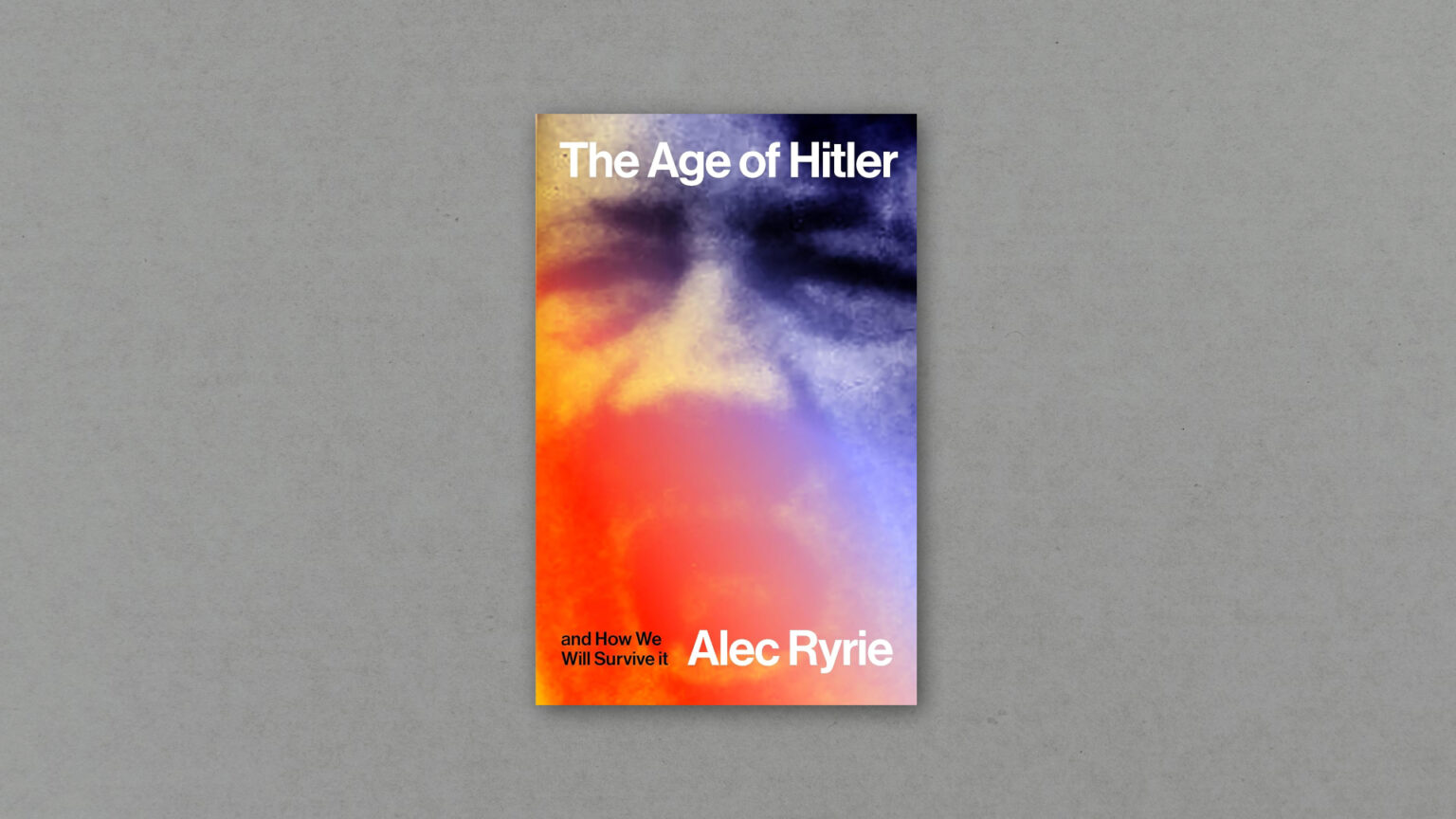
Historian Alec Ryrie tackles this problem in his book The Age of Hitler. He argues that age is ending and, though Hitler and the Nazis have been the irrefutable face of evil for 80 years, the anti-Nazi foundations of our culture’s ethics are crumbling. On that point, Ryrie is largely right.
However, as Glenn Wishnew argues in his review, “Ryrie’s diagnosis is sharper than his prescription. He correctly identifies our fragmenting anti-Nazi moral consensus, but his solution—a watered-down Christianity mixed with progressive politics—doesn’t meet the moment.”
It’s good to oppose Nazis. But anti-Nazism was never a sufficient moral framework.
Instead, Wishnew points to something deeper: “a historically orthodox, doctrinally robust Christianity to chart where we need to go.” When evil is up for debate, we don’t just need a common enemy. We need truth we can build on.
Happy reading!
Andrew Spencer
Associate Editor
|