|
|
|
|
|
Dear Reader,
Reading, writing, and editing online book reviews can sometimes seem unimportant. It’s certainly a different vocation from those of people likely to be featured in a Christian biography. However, I was recently reminded of the value of book reviews, given the tsunami of publications rolling off the presses these days.
In The Book At War: How Reading Shaped Conflict and Conflict Shaped Reading, Andrew Pettegree examines the relationship between book publishing and armed conflict in the 20th century. Books often represent existing ideologies, but they also shape them.
Pettegree notes, “In all nations, once war broke out, writers and libraries were expected to play a full role in forging victories.” Moreover, even after the war, “Libraries [were] ideological bastions in front line of post-war ideological conflict, now fought on a global scale.” We saw this during the Cold War, which highlighted the great conflict between socialism and democracy. We’re witnessing this now in our new iterations of battles over sexual ethics, economics, and forms of government.
The Book at War looks back at books in history, but the ongoing significance of book reviews is evident in its pages. If books shape the world, then sifting through the mass of literature to celebrate and critique books according to their merits is important. Thanks for joining me in that effort.
Happy reading!
Andrew Spencer
Associate Editor
|
New from TGC
|
|
|
Book Review
Drew Martin
|
|
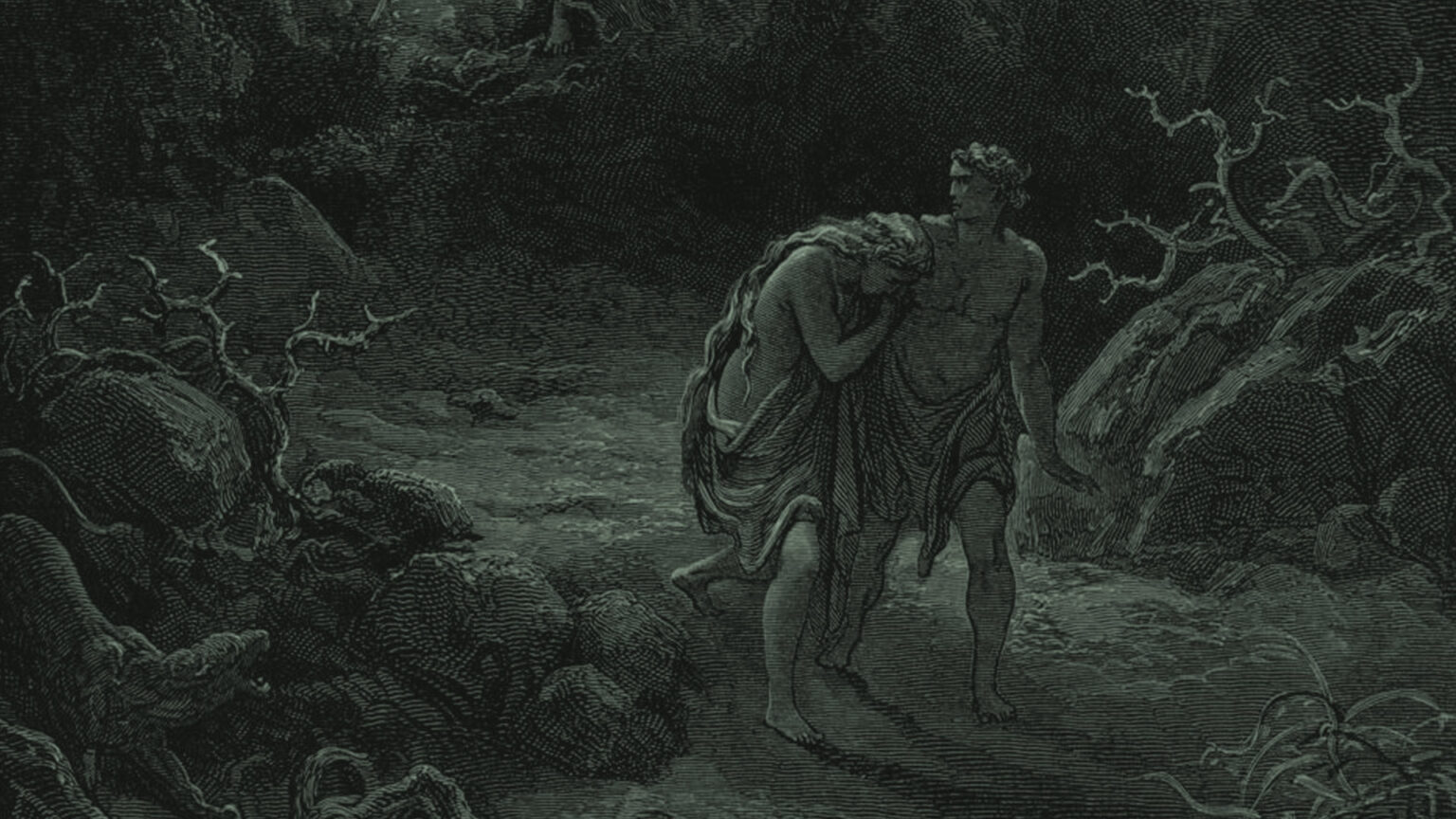
“The task of systematic theology is essential for Christians as we read and apply the biblical text. It does not supersede or replace biblical theology. Instead, when systematic theology builds on the task of scriptural exegesis and biblical theology, it helps us to read Scripture more profitably.” Read the review.
|
|
|
Book Review
Andrew Spencer
|
|
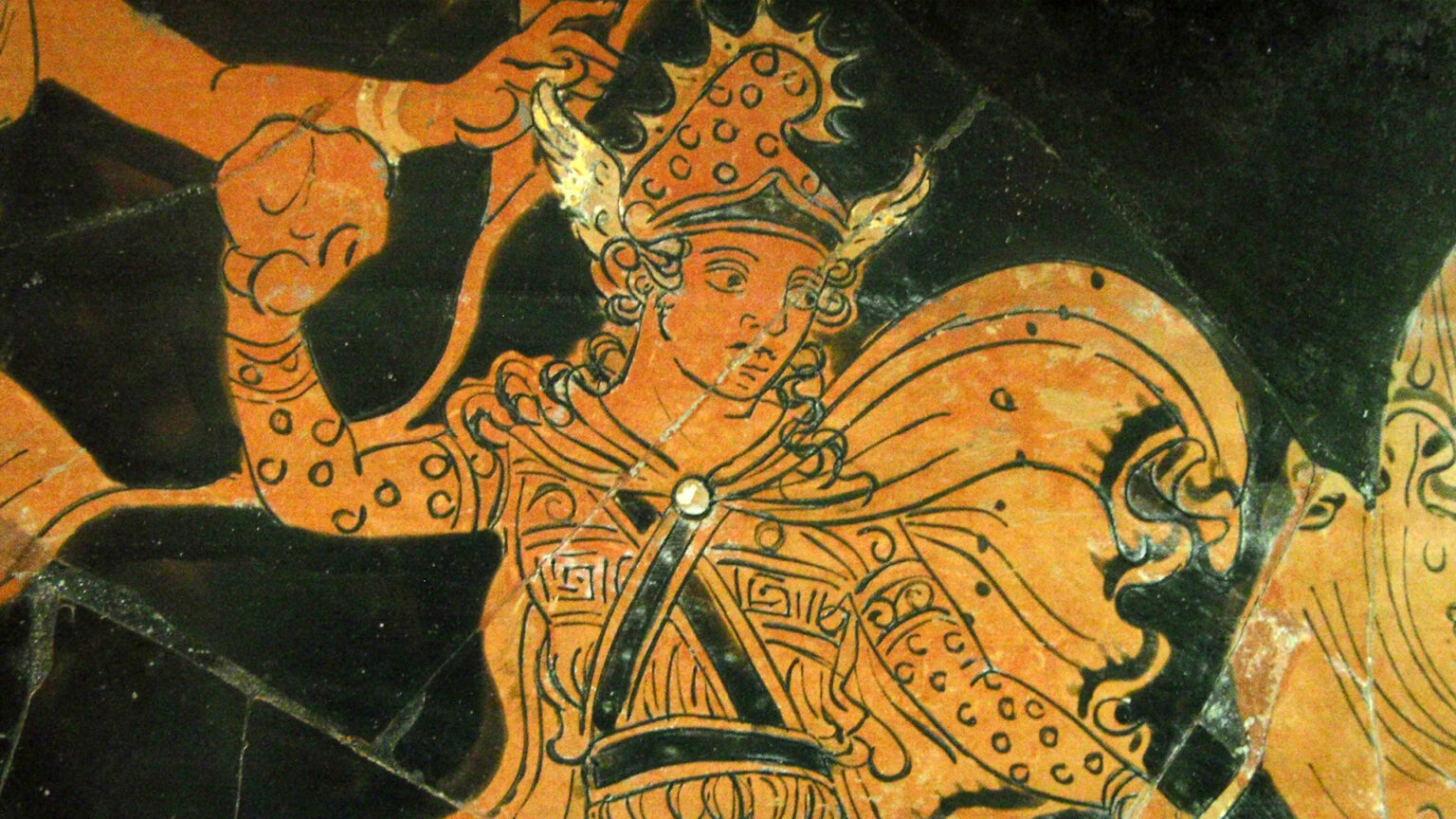
“It may be a decade or more before we see the cultural fruit of this three-volume work. Once the project is completed, it should be the source of conversations at conferences and in faculty lounges, which will spill out in other theological, philosophical, and apologetic works. Horton’s work has the potential to influence theories of modernity and doctrinal development. It serves as a reminder of how important reading old books is for understanding our time and of how simplistic explanations for current trends mislead us.” Read the review.
|

Book Review
Matt Martens
|
|

Book Review
Mischa Willett
|
|

Book Review
Chris Krycho
|
|
Book Review
Russell Galloway
|
|

Book Review
Jared Kennedy
|
|

Book Review
Andrew Spencer
|
|

|
Links for the Reading Life
|
| 1. |
Joel Miller, “How Do You Organize 3,000 Books? Touring My Personal Library” (Miller’s Book Review)
“A library needs a conceptual scheme to hold it together. That’s all the Dewey Decimal System is, though one designed to as generic and all-purpose as possible. I am, on the other hand, highly particular and have highly particular purposes. I also have a lot of books in terms of genre and type: history of various ages, literature, psychology, business, politics, policy, religion, biography, memoir, the arts, and more. What’s more, my library is always growing and I’m particularly interested in expanding my fiction, especially classic novels.
“The solution? I decided to merge a few categories and organize them all chronologically. This is a wonderful way to contextualize books with historical content or importance. I’ve done it for years but failed to follow the scheme in the most recent iteration of this space. I took everything down and started over.”
|
| 2. |
“Readers Pick: Their 100 Best Books of the 21st Century” (New York Times)
Readers of the New York Times have provided their top book from the 21st century. This was, in part, a response to the “expert” selections in the original list. Not surprisingly, there’s only a 39 percent overlap between the two lists. Both lists provide some intriguing possibilities for future reading.
|
| 3. |
Lucy Owen, Catriona Aitken, “Working with Roald Dahl Helped Me Find Harry Potter” (BBC News)
Barry Cunningham once asked Roald Dahl, “Mr Dahl, what is the secret of your popularity with children?”
Cunningham reports, “I just blushed to hear myself say that, and he took it seriously. He said ‘the thing you’ve got to remember Barry, is that humour is delayed fear, laughter is delayed fear.’
“And really, I didn’t understand that at the time, but if you look at the way he uses humour and the way that children use humour, perhaps sometimes it’s the only weapon they have against terrifying circumstances or people. That’s very indicative of his stories and the style of those stories.”
|
|
| |
|
|

The Gospel Coalition
8520 Allison Pointe Boulevard, Suite 220, Indianapolis, IN, 46250
Take control of your inbox
Manage your preferences and choose which newsletters you want to receive or unsubscribe from all emails.
|
|