|
Dear Reader,
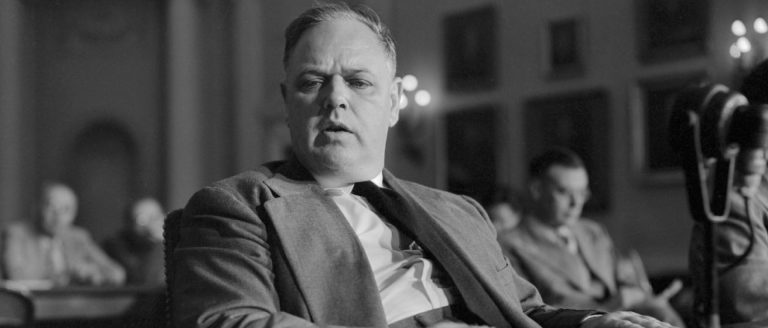
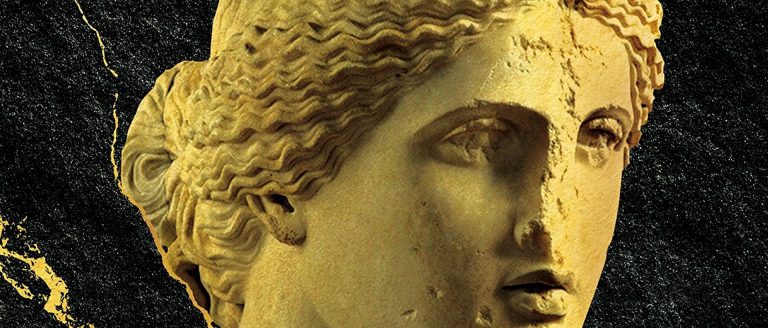
As I mentioned last month, we’ve relaunched our Rediscovering Forgotten Classics series, with two exceptional pieces. Greg Forster looks at Whittaker Chambers’s blockbuster bestseller on God and politics, writing, “The rot in the political tree of liberal democracy is clearly visible and slowly spreading. The rot is there because the spiritual roots are already gone.” Dane Ortlund, looking at an old Puritan work, reminds us that guarding the heart is an essential virtue in the Christian life. “Digested slowly, with a posture of sincere openness to God, this book nurtures us back into communion with him more richly and joyously than just about anything being written today.”
I’ll offer a personal book recommendation: New York Times columnist David Brooks’s recently released book, The Second Mountain: The Quest for a Moral Life (Random House, 2019). Brooks pushes back against the be-true-to-yourself worldview that marks so much of modern life, offering a path toward a meaningful life beyond self-fulfillment. Because of this, it can even serve as a useful pre-evangelism. I read everything Brooks writes and this might be his best offering yet. As I often tell friends, I always want to say more than Brooks but never less. While some readers find his writing a bit sermonic and condescending, I find it refreshing, since he explores existential questions rather than chasing the headline-driven, hot-take of the day. And in this new book, Brooks shares more about his newfound Christian faith, which before now he has been reticent to discuss publicly. In the coming weeks, we plan on interviewing Brooks on TGC’s podcast and releasing a review of his book, so stay tuned.
In our ongoing On My Shelf series—where we get to know various writers through a behind-the-scenes glimpse into their lives as readers—we interview three first-time authors: Rebecca McLaughlin (Confronting Christianity), Kathryn Butler (Between Life and Death), and Elliot Clark (Evangelism as Exiles).
Happy reading!
Ivan Mesa
Editorial Director
|
|
There are plenty of apologetics books that address the same objections discussed in Confronting Christianity. What makes this book unique is the weaving together of evidence and story. McLaughlin reframes each objection by taking the reader into the biblical story. She helps us see the goodness, beauty, and truth of the divine drama. She also helps us see that God is better than many of us think, for he pursues us. In love, he sends Jesus so we can find genuine happiness, wholeness, flourishing, and forgiveness. Read the review.
|
|
Christians should be students of the Word, and also of the world. Rosling is measuring the progress of societies over time and that means he’s really measuring the movements of God’s providence. That is a great service, and it can keep us from being blown about by every wind of hysteria. I’d recommend this book to anyone and everyone, high-schoolers and retirees alike. We all need to be made aware of our blind spots and gain wider perspective. Read the review.
|