|
|

|
|
|
Dear Reader,
After decades of apparent decline in Christian influence, there’s a vibe shift in the air. I’ve seen multiple reports of churches filling up with young people and of Bible sales spiking in recent months, especially in light of the assassination of Charlie Kirk.
As we encounter people curious about Christianity but unfamiliar with the Christian faith, we may need to shift our apologetic methods to reach the changing world with the unchanging gospel. In a world increasingly interested in the supernatural but suspicious of Christian ethics, some people need to be convinced that Christianity answers the questions our culture is asking.
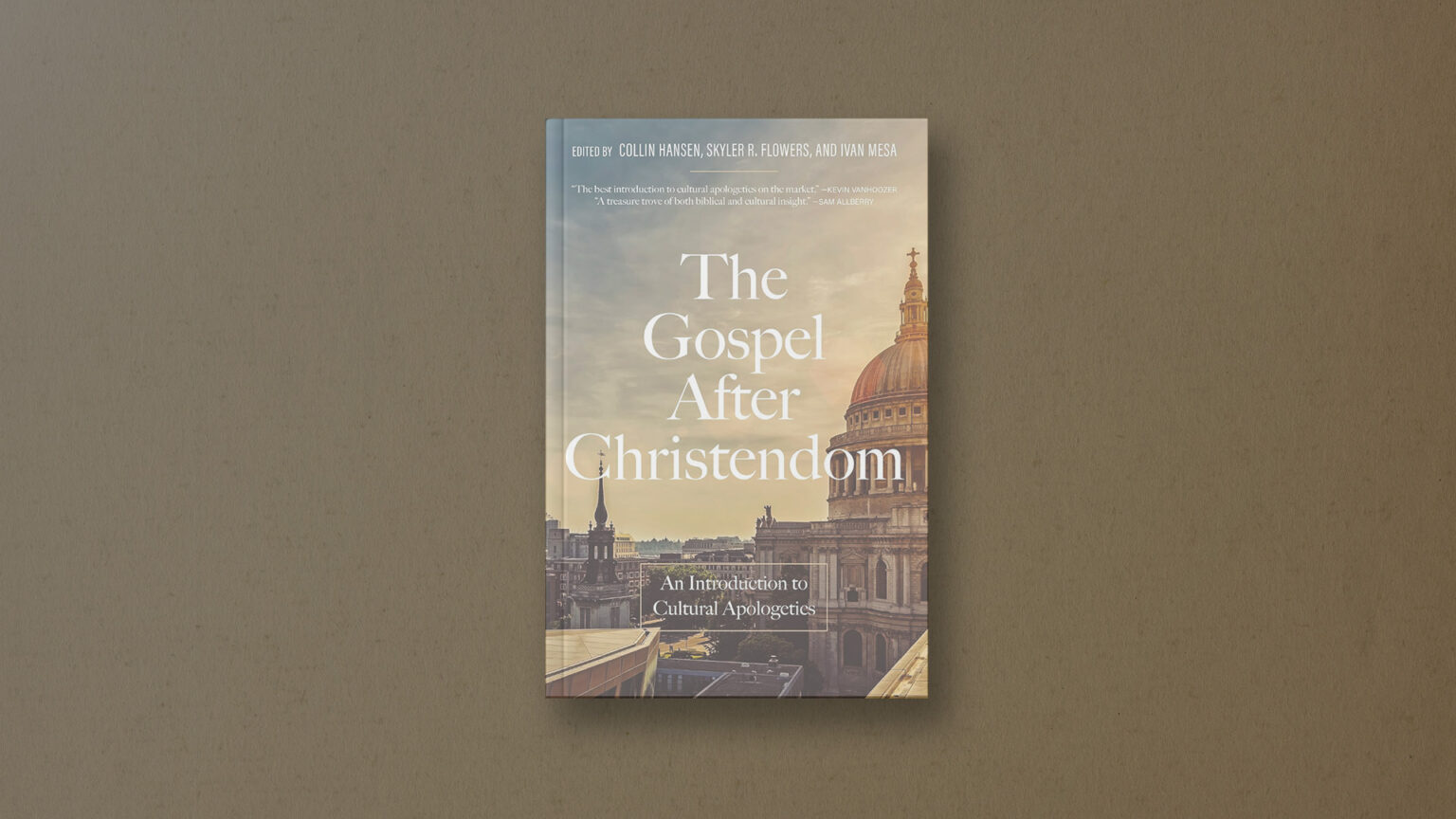
In their recent book, The Gospel After Christendom, many of the Keller Center fellows collaborated to show how, according to Trevin Wax, cultural apologetics showcases “Christianity’s beauty and goodness, using cultural touchpoints as an opportunity for gospel witness.” Nathan Finn calls the book “a vital resource for equipping believers to evangelize faithfully in our cultural moment.”
The cultural tide is shifting. Let’s meet it with clarity and confidence in the power of the gospel.
Happy reading!
Andrew Spencer
Associate Editor
|
New from TGC
|
|
|
Book Review
Nathan A. Finn
|
|
“Though cultural apologetics isn’t a new approach, it must be continually adapted for each generation as they address contemporary cultural trends. Thus, ‘The Gospel After Christendom’ is a vital resource for equipping believers to evangelize faithfully in our cultural moment.” Read the review.
|
|
|
Book Review
Andrew Spencer
|
|
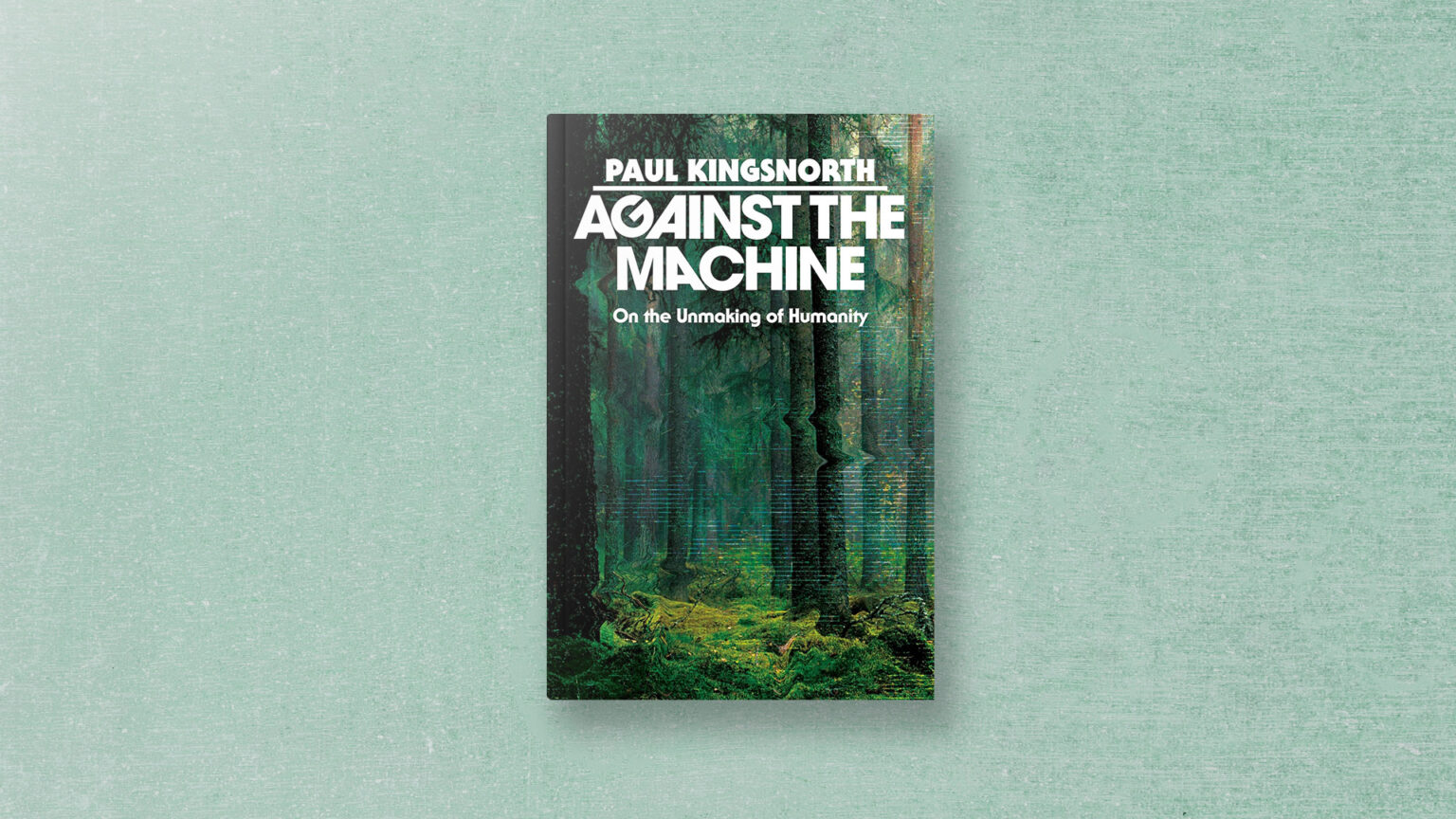
“According to Kingsnorth, an Orthodox Christian, modernity is primarily a spiritual crisis. Our chief problems aren’t economic inequality, colonization, or environmental degradation. Those are all symptoms of the deeper issue: spiritual exhaustion.” Read the review.
|
Book Review
John Stevens
|
|

Book Review
John Gilhooly
|
|

|
Links for the Reading Life
|
| 1. |
Karen Dooley, “Reading for Pleasure in Free Fall: New Study Finds 40% Drop Over Two Decades” (UF News)
“A sweeping new study from the University of Florida and University College London has found that daily reading for pleasure in the United States has declined by more than 40% over the last 20 years—raising urgent questions about the cultural, educational and health consequences of a nation reading less.”
|
| 2. |
Nitsuh Abebe, “With the Em Dash, A.I. Embraces a Fading Tradition” (The New York Times)
“There are countless signals you might look for to determine whether a piece of writing was generated by A.I., but earlier this year the world seemed to fixate on one in particular: the em dash. ChatGPT was using it constantly—like so, and even if you begged it not to.
“As this observation traveled the internet, a weird consensus congealed: that humans do not use dashes. Posters on tech forums called them a ‘GPT-ism,’ a robotic artifact that ‘does not match modern day communication.’ Someone on an OpenAI forum complained that the dashes made it harder to use ChatGPT for customer service without customers catching on. All sorts of people seemed mystifyingly confident that no flesh-and-bone human had any use for this punctuation, and that any deviant who did would henceforth be mistaken for a computer.”
|
| 3. |
Stefan Fatsis, “Is This the End of the Dictionary?” (The Atlantic)
“Call it the paradox of the modern dictionary. We’re in a golden age for the study and appreciation of words—a time of ‘meta awareness’ of language, as one lexicographer put it to me. Dictionaries are more accessible than ever, available on your laptop or phone. More people use them than ever, and dictionary publishers now possess the digital wherewithal to closely track that use. Podcasts, newsletters, and Words of the Year have popularized neologisms, etymologies, and usage trends. Meanwhile, analytical software has revolutionized linguistic inquiry, enabling greater understanding of the ways language works—when, how, and why words break out; the specific contexts for expressions and idioms. And all of that was true long before the rise of AI.
“But these advances are also strangling the business of the dictionary. Definitions, professional and amateur, are a click away, and most people don’t care or can’t tell whether what pops up in a search is expert research, crowdsourced jottings, scraped data, or zombie websites. Before he left Merriam, Morse told me that legacy dictionaries face the same growing popular distrust of traditional authorities that media and government have encountered.”
|
|
| |
|
|

The Gospel Coalition
8520 Allison Pointe Boulevard, Suite 220, Indianapolis, IN, 46250
Take control of your inbox
Manage your preferences and choose which newsletters you want to receive or unsubscribe from all emails.
|
|