|
|

|
|
|
Dear Reader,
Do you have a favorite Bible? Is there a copy of God’s Word that brings back memories of a particular season of life?
Like many people who have been Christians for a while, I’ve got a collection of Bibles on my shelves. Some I keep for their different translations, others for the notes that trace my spiritual growth. There’s something to those paper Bibles that a smartphone app can never replace.
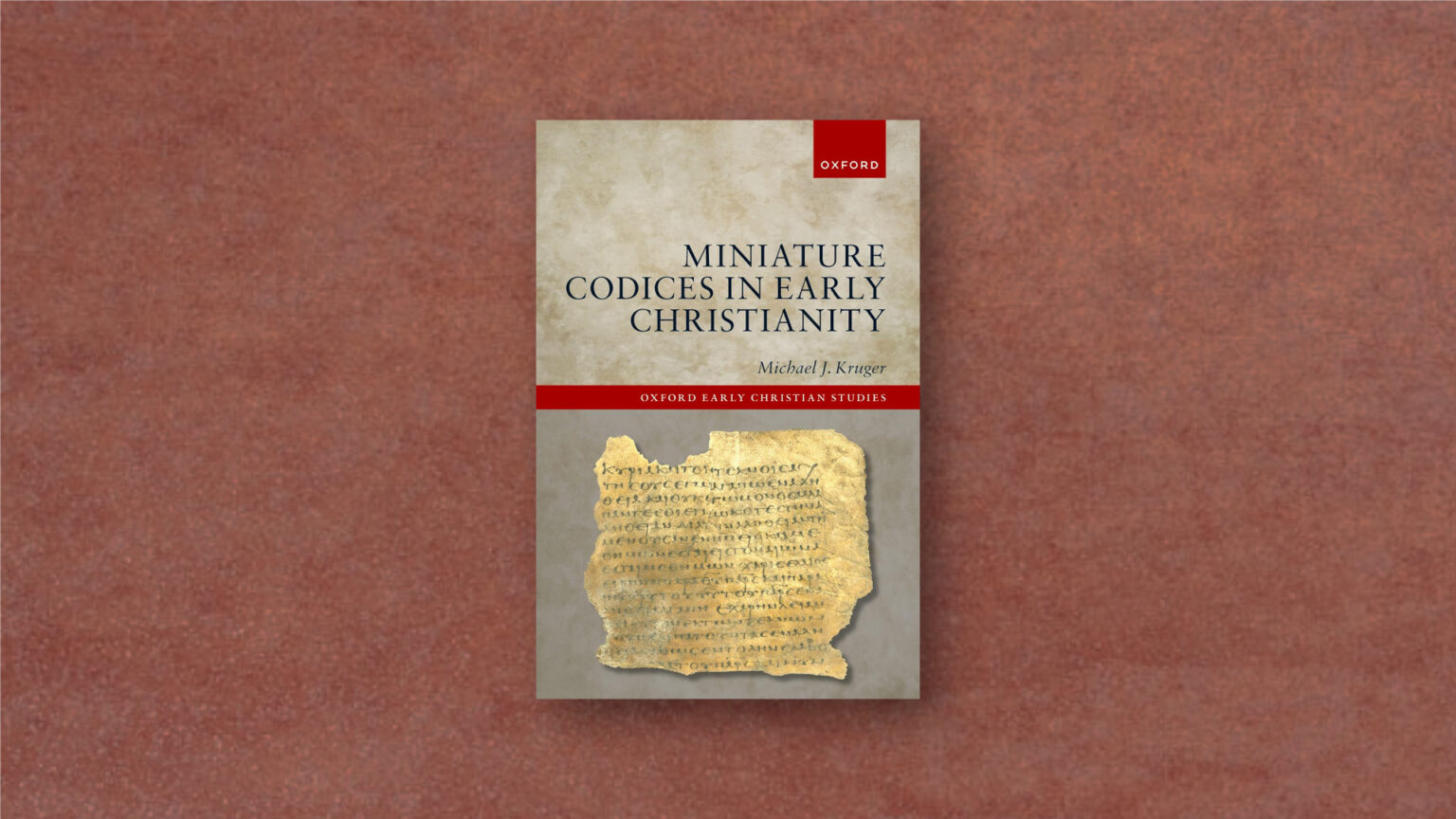
In his academic book Miniature Codices in Early Christianity, Keller Center fellow Michael Kruger reminds us that the Bible has always been more than a mere book to Christians. In the early church, some Christians wore pocket-size books containing a portion of Scripture to have the content readily accessible, but also as a tangible reminder of their commitment to the gospel.
It’s exciting news that Bible sales are rising. But it’s more important that Scripture is widely read. As Nadya Williams concludes in her review, “The early Christians’ fascination with miniature Bible books reminds us that reading the Bible was meant to be a delight. It should be that for us too.” We want to cultivate that delight in Scripture in every generation.
Editor’s Note: If you’re interested in developing your writing skills, join me and the rest of TGC’s editorial team for our next TGC Writers’ Cohort, February 25 to April 15, 2026 (8 weekly sessions). Learn more.
Happy Reading!
Andrew Spencer
Associate Editor
|
New from TGC
|
|
|
Book Review
Nadya Williams
|
|
“In ‘Miniature Codices in Early Christianity,’ Michael J. Kruger—professor of New Testament and early Christianity at Reformed Theological Seminary—contributes a fascinating glimpse into how some early Christians engaged with the Bible as a book. The delight of those who opted for the miniature codex (defined as a bound book with pages including text on both sides that fits in the palm of one’s hand) was, it seems, not too dissimilar from toddlers’ delight over miniature books today.” Read the review.
|
|
|
Book Review
Sean McGever
|
|
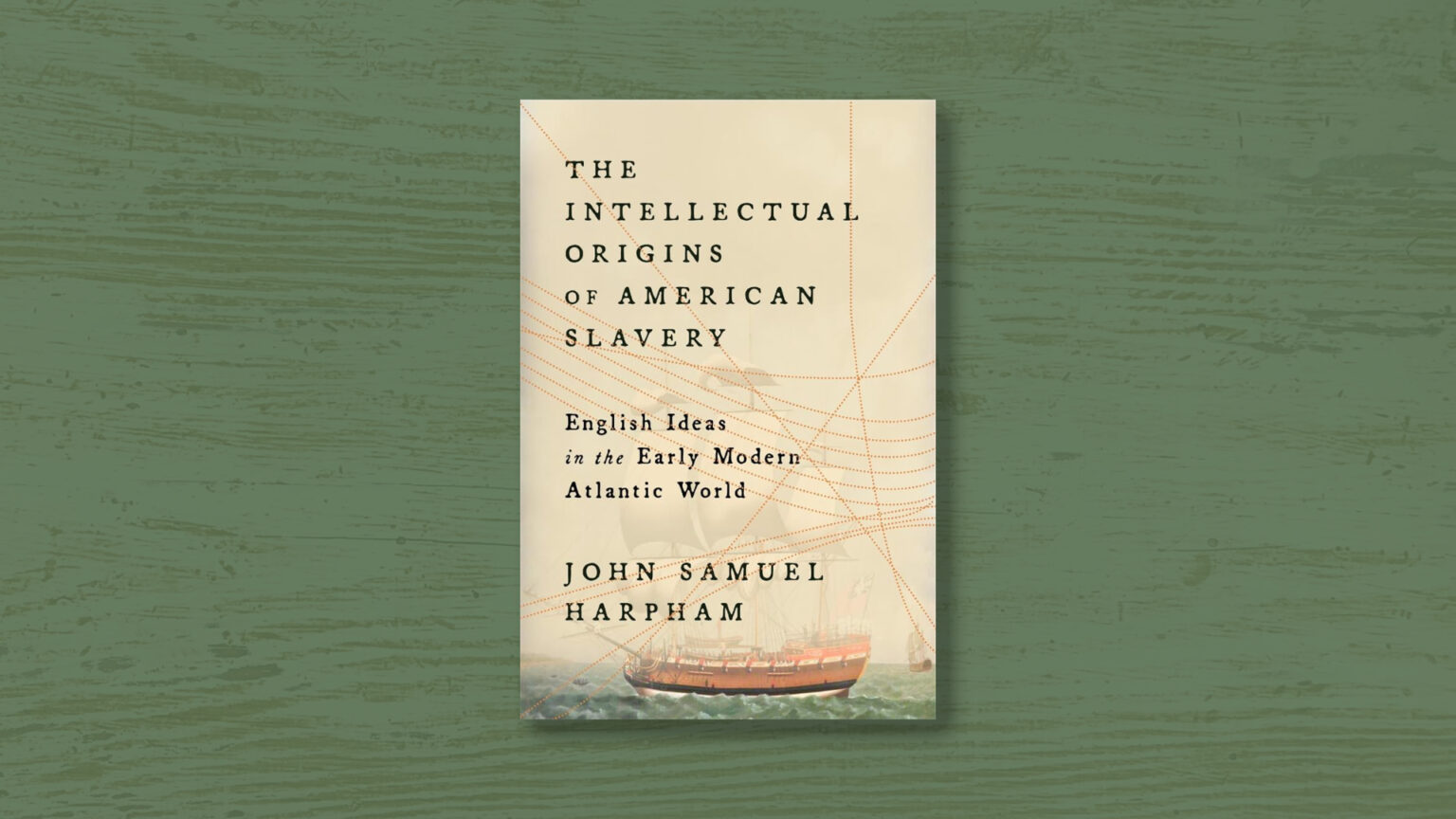
“The battles we wage today over freedom, justice, and identity aren’t just about policies or politics—they’re about moral vision. Ideas still drive behavior, and they still justify our actions, sometimes in ways we barely notice. Four hundred years ago, England fought its own ideological battles—not on screens but in lecture halls, pulpits, and legal texts. Those arguments carried real moral stakes.” Read the review.
|

Book Review
Ryan Ross
|
|

Book Review
Timarie Friesen
|
|

Book Review
Ginger Blomberg
|
|
|
Sponsored Ad
|
Links for the Reading Life
|
| 1. |
Ben LeBlanc, “The Post-Literate Pastor” (The Gospel Coalition)
“No matter how technologically advanced we become, pastors will never outgrow their need for God’s Word. We need to read Scripture not just to know facts about God but to know him intimately, personally, developing a deeper and richer communion with him where contemplation gives way to transformation.”
|
| 2. |
Benjamin Shaw, “To Foster Biblical Literacy, Teach People to Read” (The Gospel Coalition)
“Are you excited about what you read, particularly about the Bible? Do you read it for the sheer pleasure of reading God’s Word, or do you read it because you feel you must?
“Be inventive and dare to take chances with your Bible reading. You won’t regret it, and your example will build a culture of literacy that encourages others to be readers too.”
|
| 3. |
Stefano Montali, “The First Time I Read ‘The Lion, the Witch, and the Wardrobe’” (The New York Times)
“Like children then and now, countless authors also revere ‘The Lion, the Witch and the Wardrobe,’ especially those in the fantasy realm, many of whom consider Lewis’s series to be a cornerstone of the genre. The New York Times Book Review reached out to several about their first encounters with Narnia.”
|
|

|
| |
|
|

The Gospel Coalition
8520 Allison Pointe Boulevard, Suite 220, Indianapolis, IN, 46250
Take control of your inbox
Manage your preferences and choose which newsletters you want to receive or unsubscribe from all emails.
|
|