|
|

|

|
|
Dear Reader,
I fit well within the group of people who will read almost anything that comes out about one of the Inklings, the Oxford literary group that included J. R. R. Tolkien and C. S. Lewis. Of course, so much is published each year that there’s no way I can actually keep up.
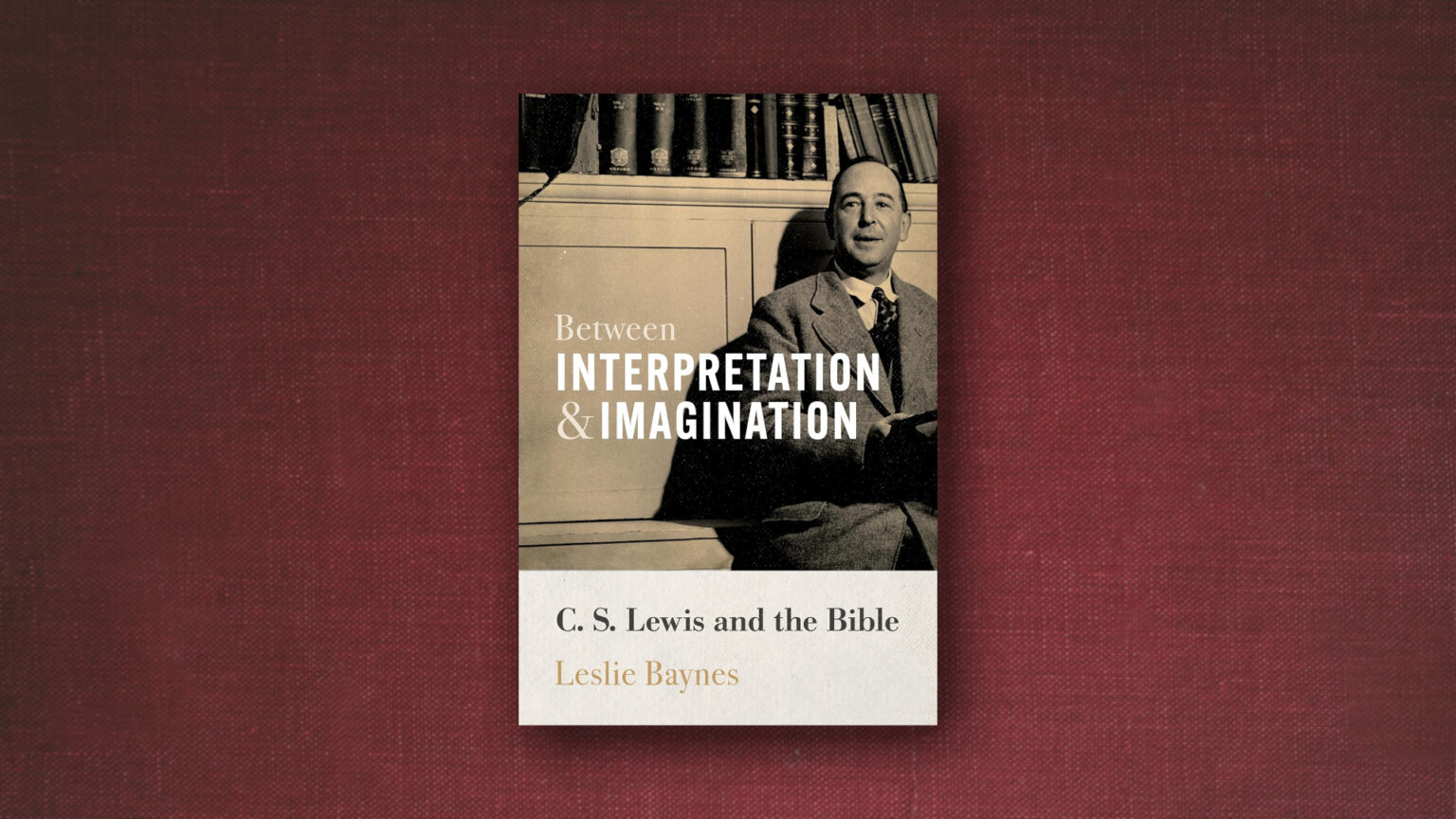
Leslie Baynes’s recent book, Between Interpretation and Imagination: C. S. Lewis and the Bible, examines the way Lewis handled Scripture in both his nonfiction and his fiction. As someone more sympathetic to higher criticism, Baynes offers a sharp critique of Lewis’s treatment of Scripture, especially his handling of the Gospel of John. Yet she also expresses real affection toward Scripture allusions that come through in the pages of The Chronicles of Narnia.
It’s in her discussion of Lewis’s fiction that the book really shines. As Joseph Kohm notes in his review, “Of all the books and resources aimed at those seeking to grow in their faith using the Chronicles, this section of Baynes’s book is one of the best I’ve read.” That’s high praise, since it’s hard to find someone saying something new in the sea of Inkling scholarship.
Though I disagree with some of Baynes’s critiques of Lewis, it’s helpful to have someone who appreciates his overall work engage so deeply and thoughtfully. As the best critiques do, her book pushed me deeper into Lewis’s writing to evaluate the evidence. Digging deeper into Lewis is always worth the time.
Editor’s Note: If you’re interested in developing your writing skills, join me and the rest of TGC’s editorial team for our next TGC Writers’ Cohort, February 25 to April 15, 2026 (8 weekly sessions). Learn more.
Happy Reading!
Andrew Spencer
Associate Editor
|
New from TGC
|
|
|
Book Review
Joseph A. Kohm Jr.
|
|
“The standard for new books about Lewis is to uncover new material that hasn’t been trod before. It takes a thorough knowledge of all things Lewis to do so, combined with a historian’s determination to dig. Despite her dislike for Lewis’s approach to higher criticism, Baynes has demonstrated both. ‘Between Interpretation and Imagination’ will challenge many Lewis fans, but it’ll also call them to read him more appreciatively as they look along the sunbeam of his writing.” Read the review.
|
|
|
Book Review
Sinclair Ferguson
|
|
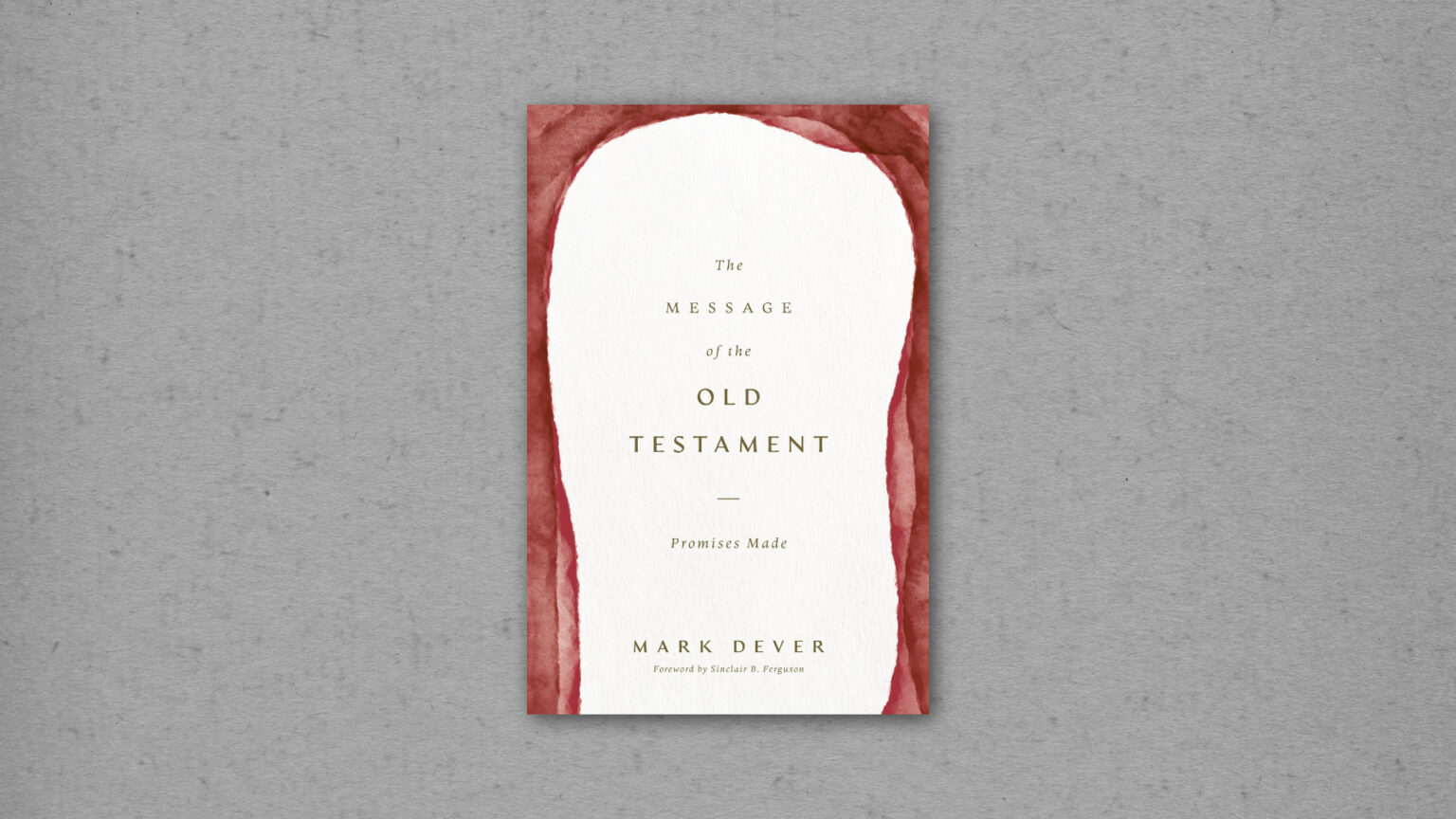
“‘The Message of the Old Testament’ is a monumental accomplishment—extending as it does to more than a thousand pages. But if anything, the quantity of these expositions is surpassed by their quality. Each chapter contains an introduction to a book in the Old Testament canon. But far from giving us more background information than we can handle, Mark Dever wisely tells us only what we need to know in order to understand the message of the book—which he also clearly articulates.” Read the review.
|

Book Review
Austin Gravley
|
|

Book Review
Aimee Joseph
|
|

|
Links for the Reading Life
|
| 1. |
Joel Miller, “Bookish Diversions: The Bits We Usually Ignore” (Miller’s Book Review)
“Footnotes also provide the perfect place for the snide aside. Take a famous example from Edward Gibbon’s Decline and Fall of the Roman Empire. In the main text, Gibbon makes a winking, oblique reference to the claim Origen of Alexandria had castrated himself. ‘The primitive church was filled with a great number of persons of either sex, who had devoted themselves to the profession of perpetual chastity,’ he says. ‘A few of these, among whom we may reckon the learned Origen, judged it the most prudent to disarm the tempter.’”
|
| 2. |
Samuel James, “Female Culture Is Being Pornified” (Digital Liturgies)
“Here, and in the surrounding promotional commentary around her new book, Hatmaker makes one thing clear: She’s done taking orders from the Bible about how to be a woman. From the beginning of the piece, Hatmaker makes her complaints clear. Purity culture horribly twisted her mind, to the point where she wore a one-piece swimsuit on her Mexican honeymoon. Grim stuff, indeed. ‘These misogynistic narratives kept the men in power and the women subservient,’ she writes. Those narratives include the pro-life narrative; being brainwashed by the patriarchy is the only reason any woman would oppose ‘reproductive rights.’’
|
| 3. |
Alan Jacobs, “Towards Old Man Willow” (The Homebound Symphony)
“I’m reminded of that passage in The Fellowship of the Ring where the hobbits are trying to get through the Old Forest, and the one way that they don’t want to go is down into the valley of the Withywindle. But they keep being forced down there. The lay of the land, the affordances of the land push them towards the place they’re trying to avoid. And eventually they discover that resisting those affordances is just too exhausting. And that’s what it’s like when we use social media, and when we use chatbots: it’s characteristic of all of our currently dominant technologies to force us to become devices. The entire system is oriented towards the transformation of what had formerly been human beings into devices.”
|
| 4. |
Cory Turner, “In Reading, the Nation’s Students Are Still Stuck in a Pandemic Slump” (NPR)
“When it comes to reading, the nation’s third- through eighth-graders are still mired in a pandemic-era slump, according to new testing data. In math, the news is only a little more heartening: Student achievement in those grades either held steady or improved slightly, though all grades remain behind performance levels of same-grade students in 2019.”
|
|

|
| |
|
|

The Gospel Coalition
8520 Allison Pointe Boulevard, Suite 220, Indianapolis, IN, 46250
Take control of your inbox
Manage your preferences and choose which newsletters you want to receive or unsubscribe from all emails.
|
|