|
|

|

|
|
Dear Reader,
Today we’re celebrating the formation of the United States. It’s not just about fireworks and hamburgers but a rejection of empire in favor of national independence.
We sometimes forget, however, that the Revolutionary War wasn’t a rejection of institutionalism. Rather, it was a transition between one institution (the British Empire) and another (the Continental Congress). Humans need institutions to help them cooperate toward the common good.
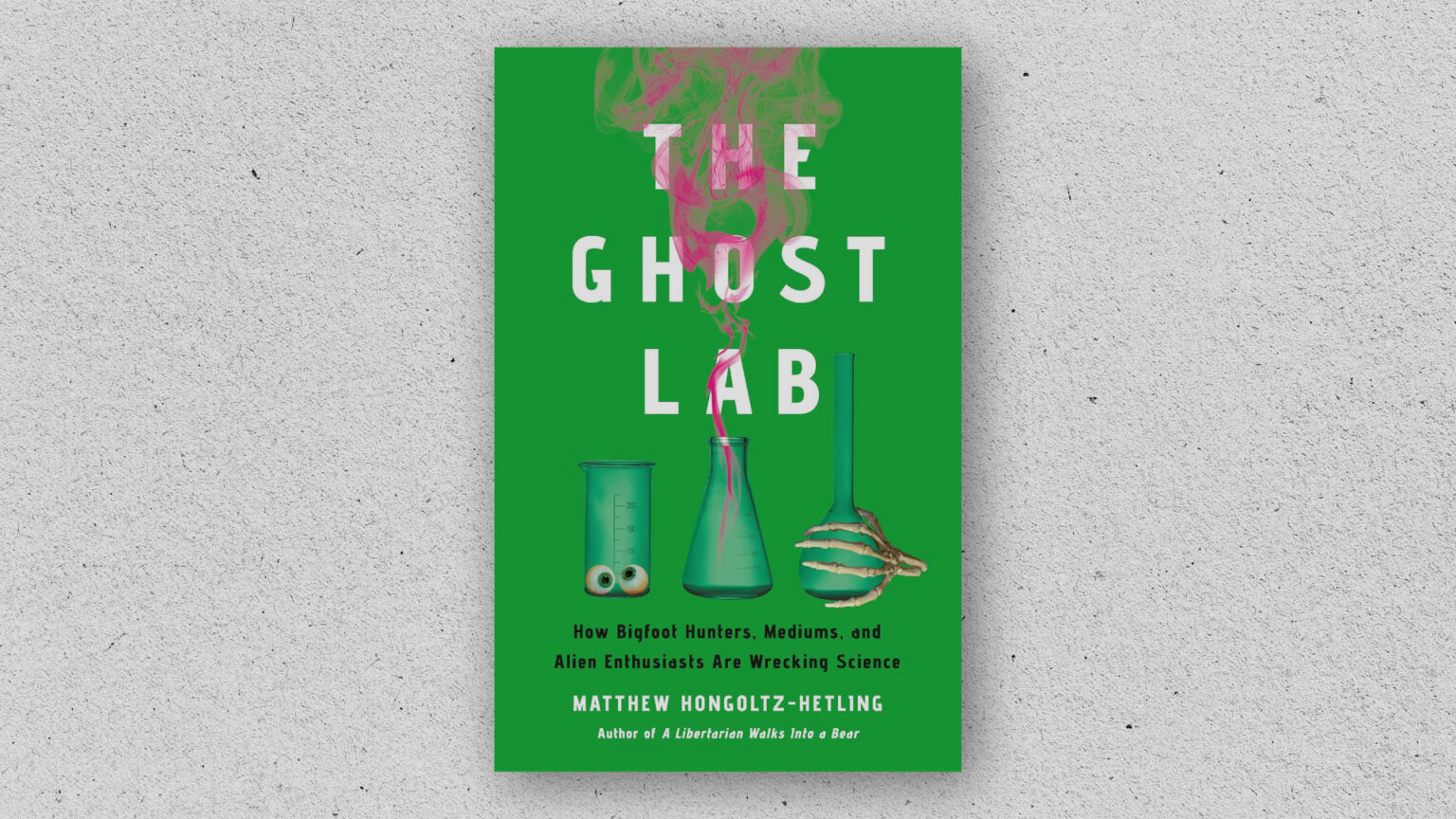
In The Ghost Lab, independent journalist Matthew Hongoltz-Hetling follows a group of ghost hunters and paranormal enthusiasts as they search for community, meaning, and truth. They’re not very successful. As Neil Shenvi concludes in his review, “This book is off the beaten path for many Christians, but it shows how valuable the church is for fostering trust and establishing truth.”
We need the church. Several recent books have emphasized the importance of local church involvement, including Brad Edwards’s The Reason for Church and Mark Sayers’s Platforms to Pillars. Distrust in institutions, even the local church, is a prime example of a cultural narrative that can influence Christians if we’re not aware of it.
Amid today’s festivities, remember we’re celebrating not our independence from institutions but an effort at forming a “more perfect union.” We need institutions like the church or we’ll end up culturally and spiritually adrift.
Happy Reading!
Andrew Spencer
Associate Editor
|
New from TGC
|
|
|
Book Review
Neil Shenvi
|
|
“The local church can be an incubator for relational trust. When a stranger on the internet gives me advice I don’t like, I can always reject it on the grounds that he must have some ulterior motive. But when I speak to a doctor or a lawyer or a scientist from my church, I don’t have that excuse. I know the person cares about me and wants what’s best for me. He or she might still be mistaken, but I have no reason to doubt the underlying motives. In this way, churches can build up local trust networks that operate independently of institutional failure.” Read the review.
|
|
|
Book Review
Andrew Spencer
|
|
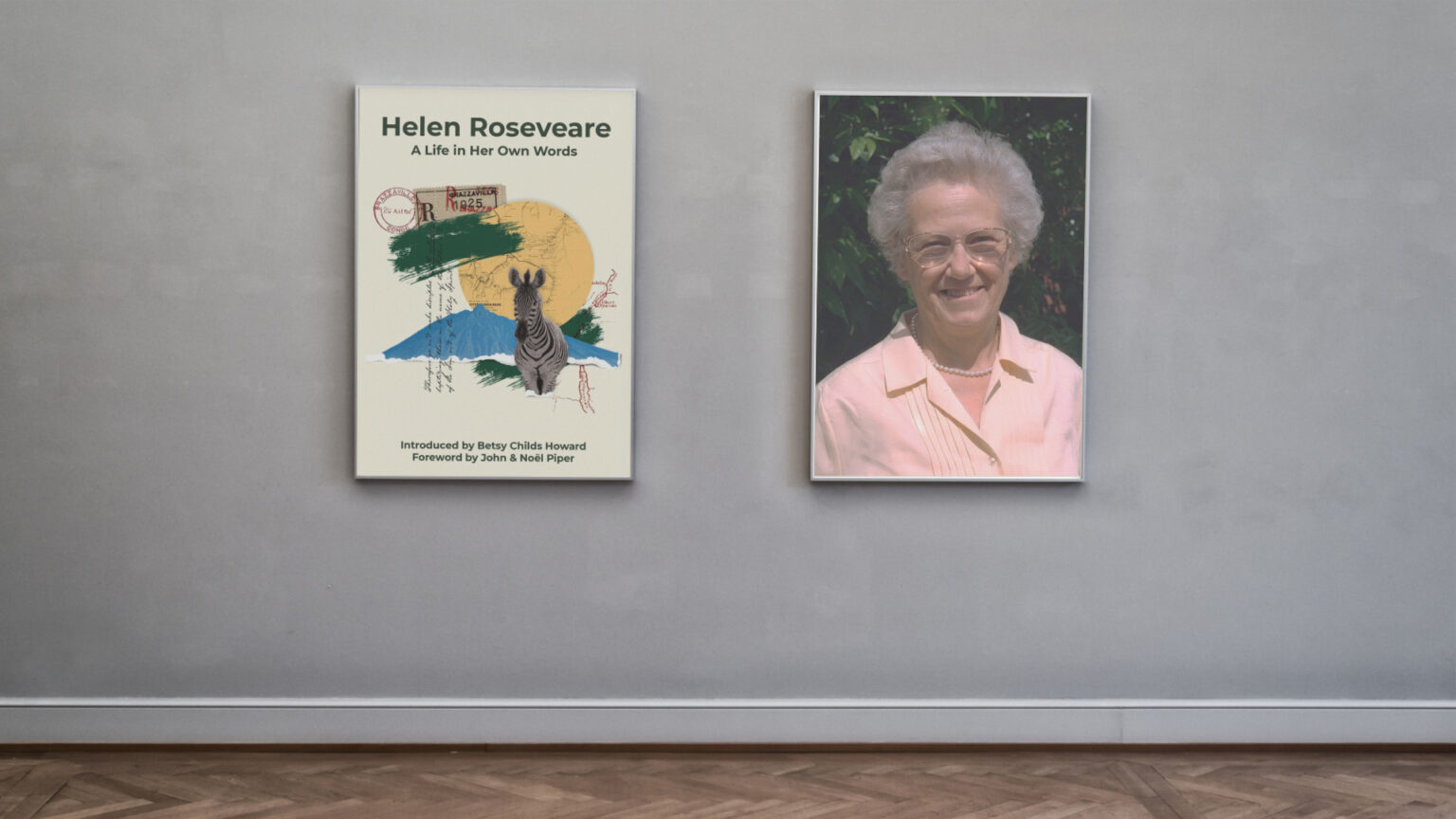
“I’ll tell you who shouldn’t read Helen Roseveare—anyone who prefers not to be challenged to grow in his or her walk with the Lord. Readers should also avoid her books if they don’t like to hear about amazing instances of God’s meticulous providence in answer to prayers. Helen’s stories are full of these. I commend her books to everyone else.” Read the review.
|

Book Review
Andrew Spencer
|
|
Book Review
Glenna Marshall
|
|
|
Links for the Reading Life
|
| 1. |
Sarah Eekhoff Zylstra, “Outprinting the Prosperity Gospel in Southern Africa” (The Gospel Coalition)
“Van der Walt lives in Africa, which is overrun with syncretism and the prosperity gospel. The need to train pastors is obvious.
“But relying on books wasn’t as intuitive. First, getting books to Africa is prohibitively expensive. The shipping takes months. And if you do manage to get books there, Africa’s oral tradition and lower literacy rates mean they’re likely to sit unread.
“Not only that, but somebody else had beaten him to it.”
|
| 2. |
Graham Helsop, “10 Mistakes I Made in My Reading Journey” (The Gospel Coalition Africa)
“Whenever I get speaking about books and reading, most people assume I was always a bookworm; that I was one of those kids forever snuggled up somewhere with their latest library withdrawal. Only I wasn’t. In fact, I often liken my love for reading to a kind of second conversion; indeed, this change in my life followed quite closely behind my actual conversion, aged 18. For I was quickly persuaded of the importance of books for the Christian life and growth. All these years later, I’m still a passionate advocate for reading and an avid reader. But along the way, I’ve made missteps, plenty of them. Below, I’ll limit myself to just 10 mistakes related to reading. I hope they will be of use.”
|
| 3. |
Joseph Bernstein, “Why Did the Novel-Reading Man Disappear?” (The New York Times)
“For the first meeting of his book club for men, Yahdon Israel, a 35-year-old senior editor at Simon & Schuster, asked the participants to bring a favorite work of fiction. Not everyone completed the assignment.
“One man brought “Watchmen,” a graphic novel. Valid, technically.
“Another scoured his home bookshelf and realized he did not own a single novel or short story collection. So he showed up to the meeting with a nonfiction book about emotional intelligence.”
|
| 4. |
Joel Cho, “What Herman Bavinck Taught Me About Modern Medicine” (The Gospel Coalition)
“In the first pages of his famous Wonderful Works of God, Bavinck sees all of life in light of who God is and what he does (i.e., the doctrine of God). This is the starting point of understanding everything in life. Bavinck’s contemporary Abraham Kuyper said that ‘there is not a square inch in the whole domain of our human life’ that doesn’t belong to God. Obviously this includes the field of medicine. For most Christians in medicine, this claim might be easy to agree with in theory but puzzling to put into practice. What does prescribing antibiotics have to do with God’s character?
“It may be nearly impossible for me to connect the dots as to how the doctrine of God applies to my treatment choices for my patients. But Bavinck taught me that nothing occurs apart from God’s gaze. God owns everything, including the ‘cattle on a thousand hills’ (Ps. 50:10), and he knows how everything connects to himself and his actions. Analyzing medicine theologically must therefore also start with this foundation.”
|
| 5. |
Ivan Mesa and Matthew Bingham, “On My Shelf: Life and Books with Matthew Bingham” (The Gospel Coalition)
“I’m learning that the Christian life is lived one day at a time: ‘Do not be anxious about tomorrow, for tomorrow will be anxious for itself’ (Matt. 6:34). And the Lord is sufficient and generous to us in every stage and season: ‘You have put more joy in my heart than they have when their grain and wine abound’ (Ps. 4:7). We often want to see far down the path, but God doesn’t promise us that sort of knowledge. Rather, he promises to go with us and be for us as we step into the unknown, and that faithfulness is more than enough.”
|
|
| |
|
|

The Gospel Coalition
8520 Allison Pointe Boulevard, Suite 220, Indianapolis, IN, 46250
Take control of your inbox
Manage your preferences and choose which newsletters you want to receive or unsubscribe from all emails.
|
|