|
|
|
|
|
Dear reader,
It’s easy to forget how profoundly media shapes us, especially when we’re young. The hours I spent devouring my latest library discoveries while bouncing on the school bus were more than idle entertainment; they shaped the questions I would later work to answer.
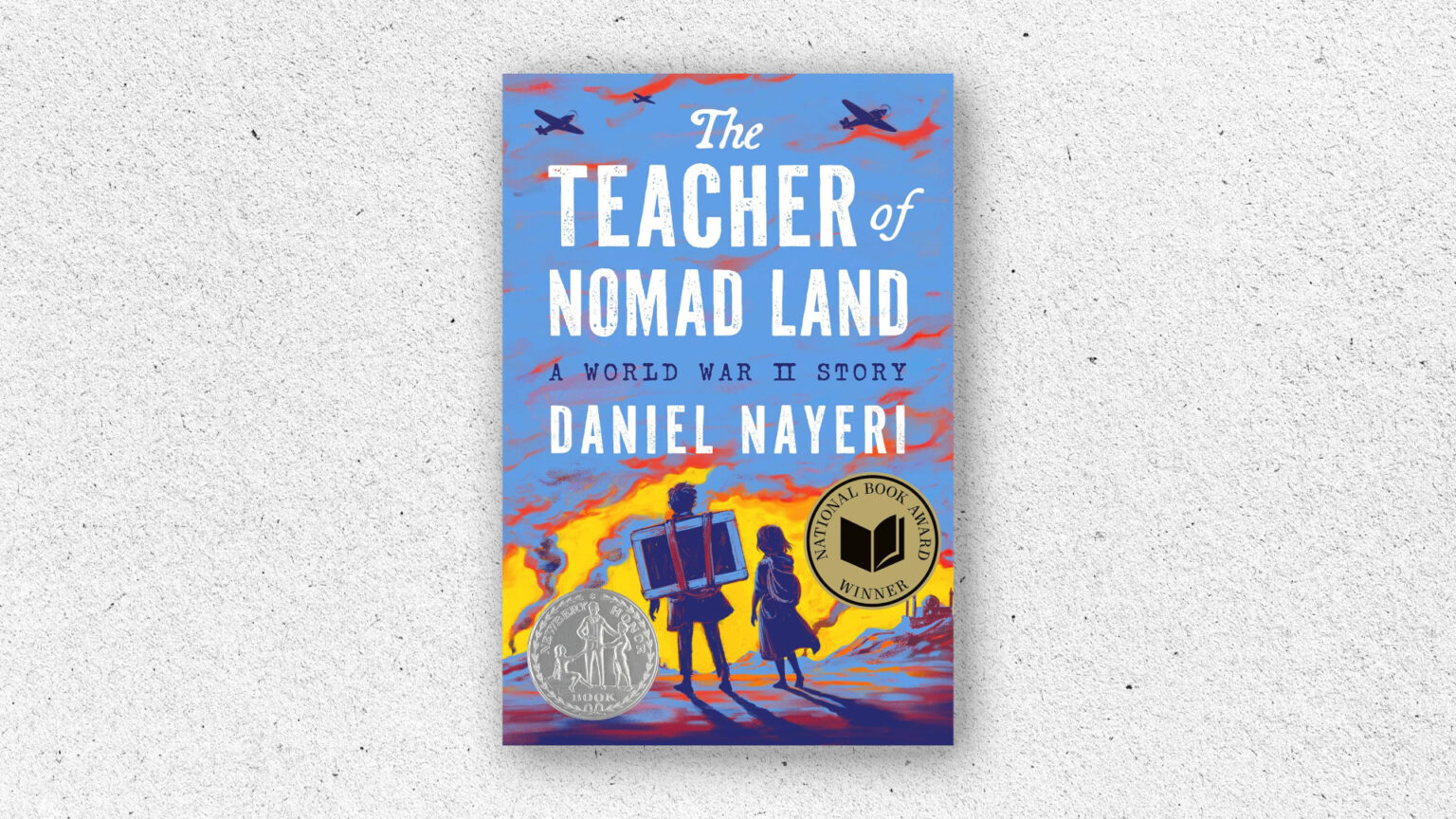
Daniel Nayeri’s 2025 book, The Teacher of Nomad Land, deserves the accolades it has received for its literary quality. But it’s also the sort of story for young people that raises questions about speaking, listening, and grace. These concepts can’t be taught through a textbook. They must be absorbed—if not through participation in a well-formed community, then from stories that model them. As Ginger Blomberg notes in her review, “The book is filled with examples of characters moving toward understanding through taking time to hear each other.”
Though the book is marketed to children, it was a delight for me to read too. It reminded me of C. S. Lewis’s observation that “no book is really worth reading at the age of ten which is not equally (and often far more) worth reading at the age of fifty—except, of course, books of information.” This is a book worth reading at any age.
Happy reading!
Andrew Spencer
Associate Editor
|
New from TGC
|
|
|
Book Review
Ginger Blomberg
|
|
“‘The Teacher of Nomad Land’ was published before the recent headlines about Iran, but it offers captivating insight into a land where the church is growing rapidly as the gospel is shared in the face of persecution and conflict. It’s also a timely reminder for believers to pray for their brothers and sisters around the globe and to continue giving out of the abundance God has given: love and teaching, water and bread, patience to listen and willingness to speak.” Read the review.
|
|
|
Book Review
Neil Shenvi
|
|
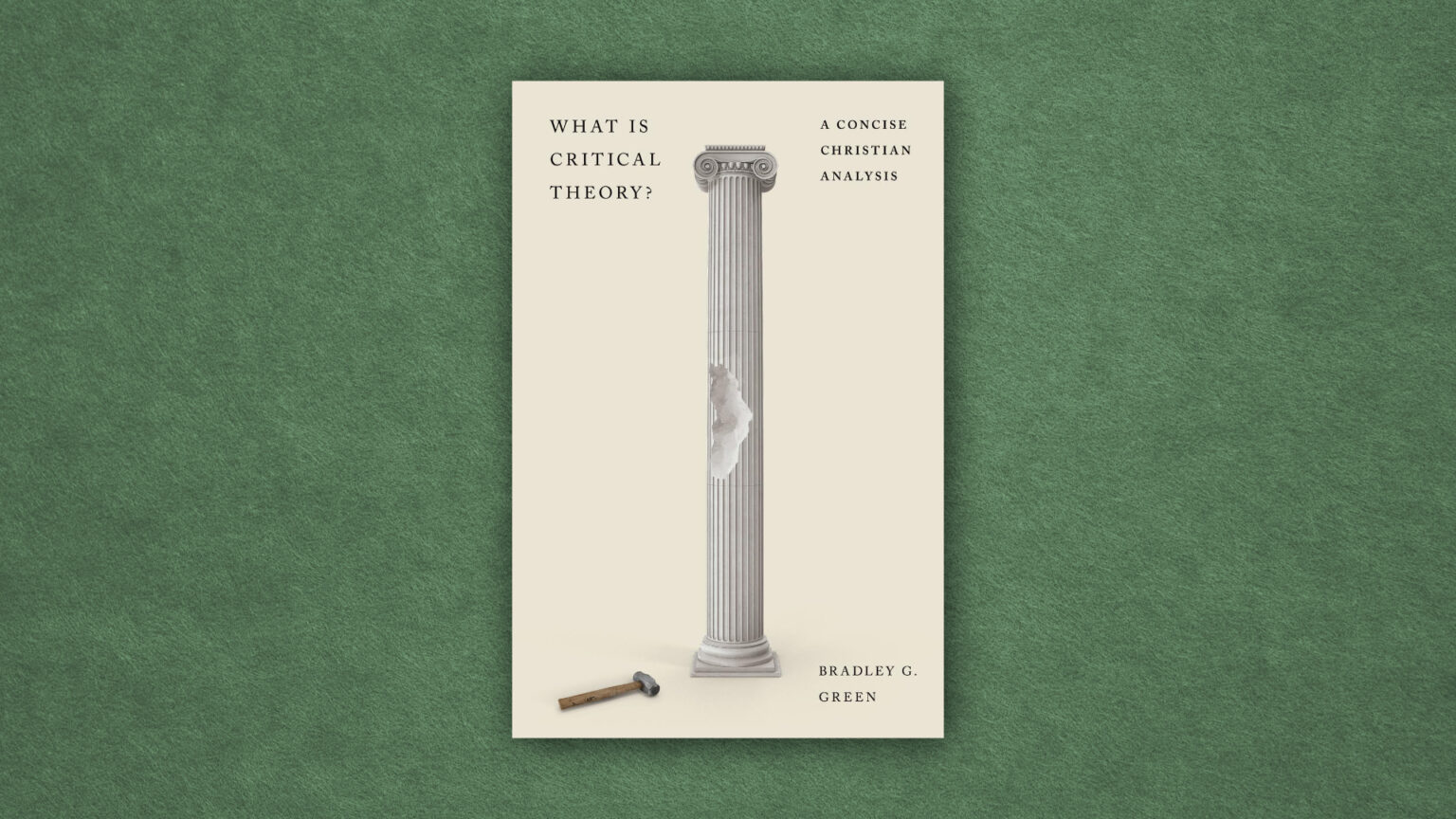
“In ‘What Is Critical Theory? A Concise Christian Analysis,’ Bradley Green, professor of theological studies at Union University, addresses this knowledge gap. The book succinctly explains critical theory's historical origins within the context of Marxism, elaborates on its key themes, and shows how it motivates activism against ‘hate speech.’ Yet Green does more than simply inform; he also demonstrates that critical theory ultimately fails to make sense of reality and the human condition.” Read the review.
|

Book Review
John Moody
|
|

Book Review
Michael McEwen
|
|
|
Links for the Reading Life
|
| 1. |
Jonathon Crump, “Why George Saunders Can’t Stop Writing About the Afterlife” (The Gospel Coalition)
“Vigil released in late January and became an instant bestseller. Though the book has generated excitement, it reads less like a celebration and more like a funeral. Vigil tells the story of K. J. Boone, the CEO of one of the world’s largest oil companies.”
|
| 2. |
Ivan Mesa and Betsy Childs Howard, “On My Shelf: Life and Books with Betsy Childs Howard” (The Gospel Coalition)
“I would say the biggest mistake Christians make when writing for children is they ignore the writing maxim ‘Show, don’t tell.’ We don’t have to squeeze every Christian doctrine into one picture book, and we don’t have to spell out everything that a story implies.”
|
| 3. |
Matt Reynolds, “On Judging Books” (Mere Orthodoxy)
“When we read, we do more than offer ourselves as willing receptacles of correct information and wholesome lessons. We exercise God-given gifts of reason and reflection, wrestling with matters of logic and coherence, beauty and profundity, truth and error. In this sense, immersing oneself in a book—following its narrative shape, assessing strengths and weaknesses, pausing to savor flashes of insight or arresting turns of phrase—is inherently enriching. The process is its own reward, irrespective of any judgments reached along the way.”
|
|

|
| |
|
|

The Gospel Coalition
8520 Allison Pointe Boulevard, Suite 220, Indianapolis, IN, 46250
Take control of your inbox
Manage your preferences and choose which newsletters you want to receive or unsubscribe from all emails.
|
|