|
|

|
|
|
Dear Reader,
Back in the day when the Sunday paper used to be delivered to my house, the color comics pages were my favorite part. I delighted in Bill Watterson’s Calvin and Hobbes. I appreciated the whimsical wisdom of Charles Schulz’s Peanuts. I especially enjoyed the recurring gag where Bil Keane traced Billy’s or Jeffy’s meandering through the neighborhood to complete a simple errand in Family Circus.
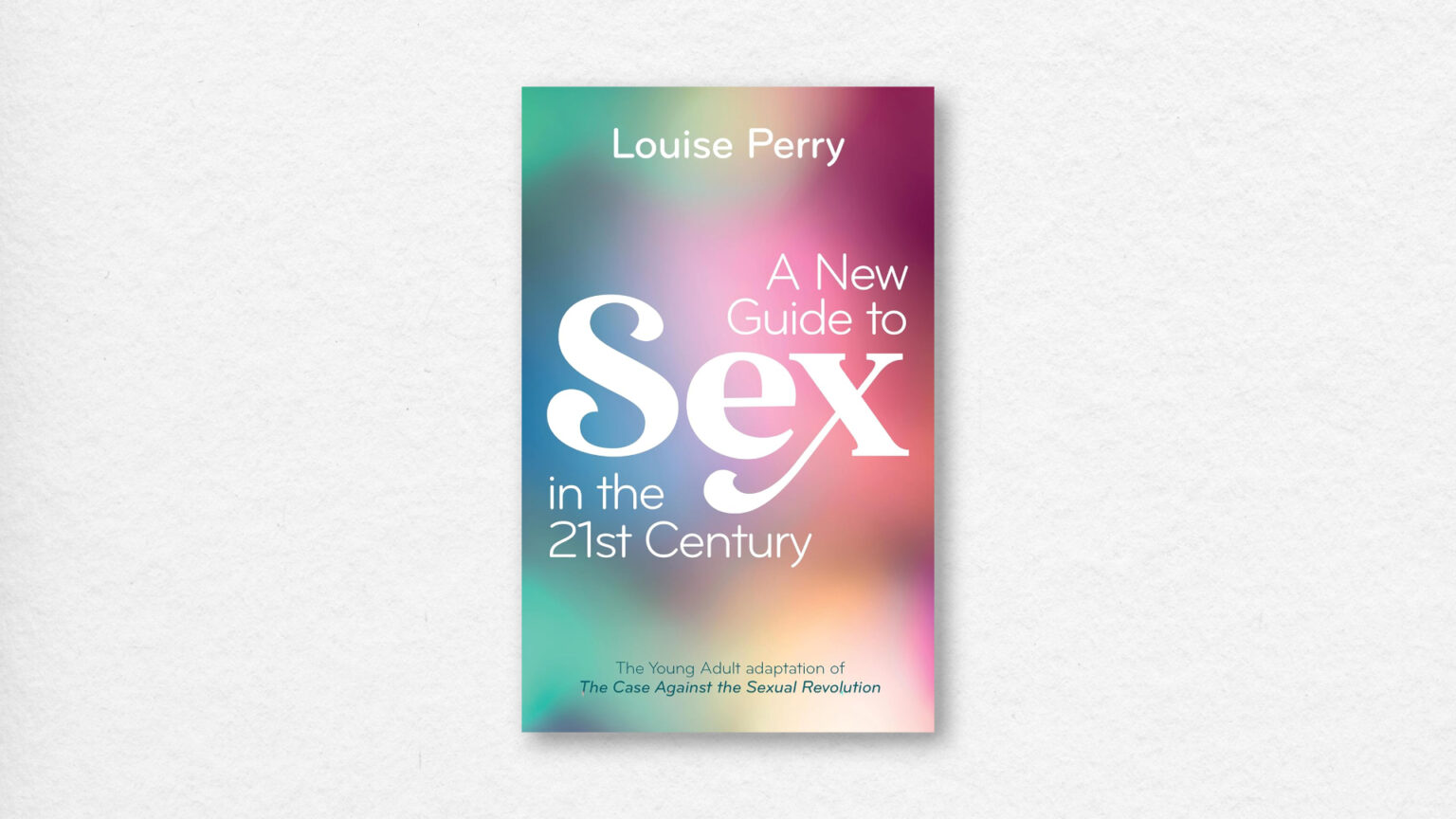
Reading Louise Perry’s A New Guide to Sex in the 21st Century brought those meandering paths to mind. She’s journeyed from the sexual revolution to a sexual ethic that has significant overlap with a Christian perspective. As Katelyn Shelton notes in her review, “If ‘Christian sexual ethics’ is on the far right of the sexual ethics horseshoe, feminism is at its apex, and Perry has come almost all the way back around from the other direction.”
Even as we get mixed news about the state of Christianity in America, Perry’s indirect arrival at something that resonates strongly with Christianity is encouraging. It’s a reminder that God’s character and the ethics it inspires are woven into the fabric of the universe.
Happy reading!
Andrew Spencer
Associate Editor
|
New from TGC
|
|
|
Book Review
Katelyn Walls Shelton
|
|
“Perry correctly diagnoses the problem and nearly prescribes the correct remedy. If ‘Christian sexual ethics’ is on the far right of the sexual ethics horseshoe, feminism is at its apex, and Perry has come almost all the way back around from the other direction. The gap between Perry’s argument and the Christian sexual ethic is but a small leap: a leap of faith, if you will. Christianity is the missing link between the world as Perry sees it and the world as she wishes it to be.” Read the review.
|
|
|
Book Review
Michael Graham
|
|
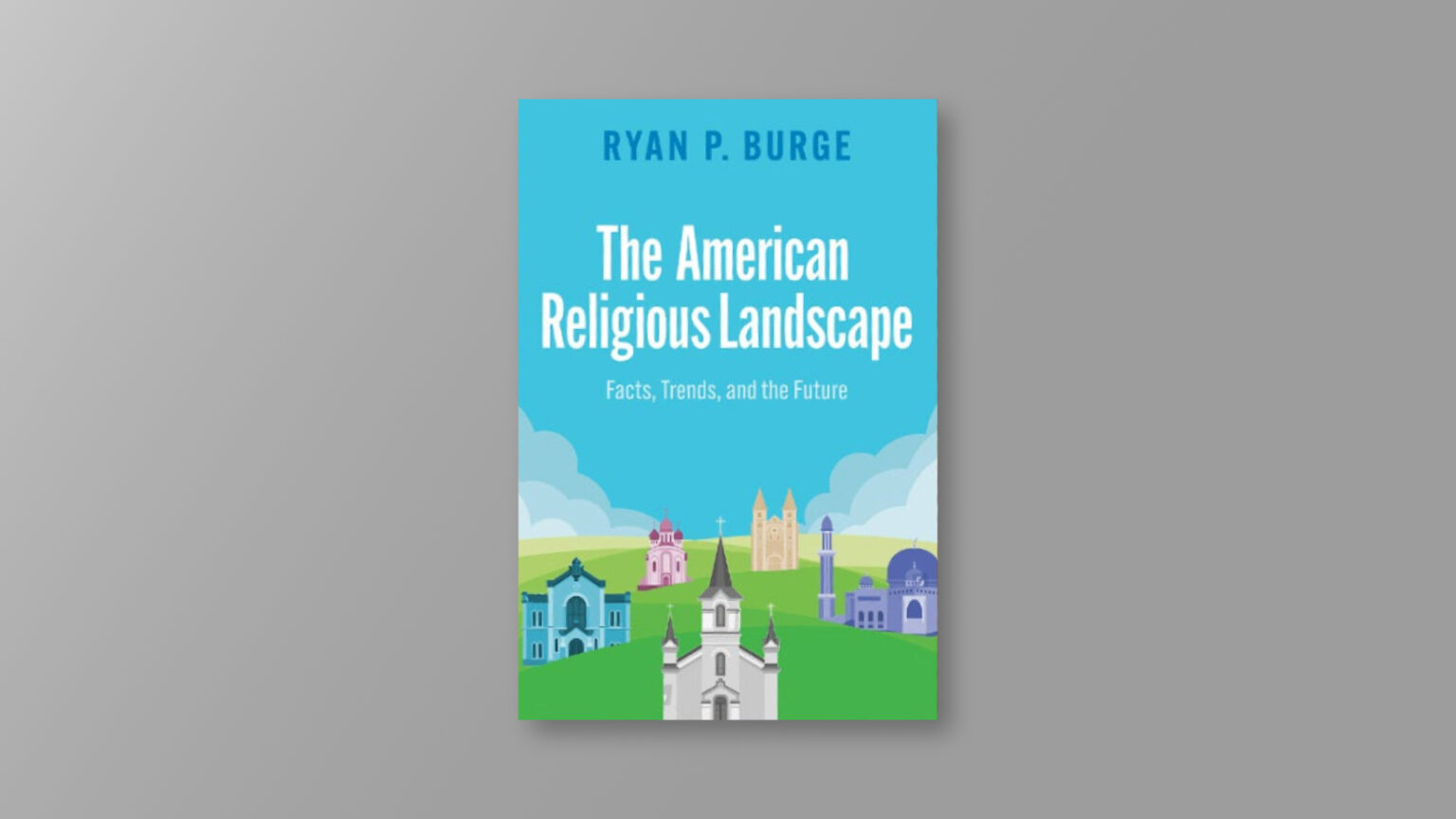
“In ‘The American Religious Landscape: Facts, Trends, and the Future,’ Ryan Burge, associate professor of political science at Eastern Illinois University, provides an excellent, high-altitude view of the American religious landscape through the lens of the currently available data sets. My appreciation for religious data comes primarily in the theological, missiological, and behavioral contours it exposes, which can identify and inform our response to trends like those Jim Davis and I discuss in ‘The Great Dechurching.’” Read the review.
|
Book Review
Alex DiPrima
|
|
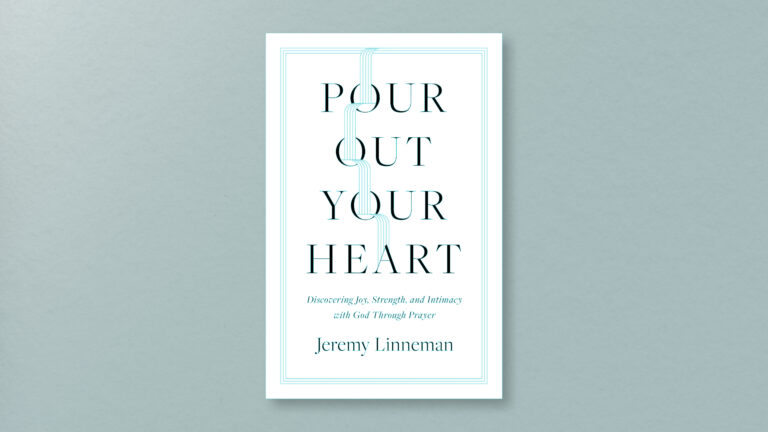
Book Review
Ryan Ross
|
|

|
Links for the Reading Life
|
| 1. |
Collin Hansen and Allen Levi, “The Great Novel That Almost Wasn’t” (The Gospel Coalition)
In this podcast, Hansen states,
For months, I’ve been encouraging friends and family to pick up this book by Allen Levi. When you finish this novel, you’ll feel like Allen is a friend. I’m blessed to have more than a few mutual friends with Allen. And he has exceptional taste. That quality shines in this debut novel featuring the mysterious traveler Theo who drops in on the small Southern city of Golden. Theo is described as a man who “lived with such a winsome commitment to the seen and the unseen, the ultimate and the proximate, the wide grace and the narrow way.”
|
| 2. |
Suzanne Smith, “Why Read and Write While the World Burns?” (Miller’s Book Review)
“‘Everything one writes now,’ said George Orwell in 1938, ‘is overshadowed by this ghastly feeling that we are rushing towards a precipice and, though we shan’t actually prevent ourselves or anyone else from going over, must put up some sort of fight.’ For Orwell, fighting meant writing. It also meant reading.
“But reading and writing—and for that matter, thinking—in a world increasingly characterized by the authoritarian practices that modern totalitarianism required, especially censorship, presented challenges, depending on one’s proclivities. To Orwell’s mind, intellectuals in particular were not good readers, being uncritically drawn to totalitarian ideas due to their love of power and disregard for objective reality.”
|
| 3. |
Forrest Strickland, “Three Lessons from 234 Pastors’ Libraries” (9Marks)
“Faithful ministers have recognized for hundreds of years that reading books was central to their pastoral work. They followed the advice of Solomon: ‘Buy truth, and do not sell it; buy wisdom, instruction, and understanding’ (Prov. 23:23). Reading provided Dutch ministers in the seventeenth century with the intellectual firepower necessary to preach the Word in season and out of season, to guard the faith as it was entrusted to them, and to encourage others in sound doctrine.”
|
| 4. |
Sarah Zylstra and Aleksander Nezamutdinov, “How a Tiny Church Is Serving Ukraine with Books” (The Gospel Coalition)
“When the Russian army first came over Ukraine’s eastern border in 2022, about 3.5 million people fled west to Poland. Many came through Kraków, where Aleksander Saško Nezamutdinov is a Ukrainian missionary and church planter.
“His 40-member congregation, Christ the Savior Presbyterian Church, worked hard to provide transportation, housing, food, and clothing to the refugees. Then, after the initial rush died down, they saw another thing the Ukrainians needed: books.”
|
|

|
| |
|
|

The Gospel Coalition
8520 Allison Pointe Boulevard, Suite 220, Indianapolis, IN, 46250
Take control of your inbox
Manage your preferences and choose which newsletters you want to receive or unsubscribe from all emails.
|
|