|
|

|
|
|
Dear Readers,
As a lover of books, I sometimes have to face the risks that they present to my well-being. It turns out, there are several ways that a close relationship with books can turn hazardous, even beyond the occasional papercut.
For many of us, books can threaten our financial solvency as we discover new volumes that we really can’t live without. This despite the stack of titles on our shelves still unread. But we have to be prepared for the next time we have three or four uninterrupted years to get through the pile, right?
Once that backlog of future texts has been received, the physical dangers abound. I was shifting a stack to get to the next-to-bottom book when Abraham Kuyper attacked my foot. At least, volume 3 of his Common Grace did. Thankfully, no permanent damage appears to have resulted.
We have to choose our reading materials carefully, because the very act of reading can turn deadly. On a recent, quiet Sunday afternoon I was perusing a hefty systematic theology while reclining on the couch. Without warning the tome hit me in the face. My life passed before my eyes. Some books should come with warning labels!
Sometimes it’s not just about our physical safety, though. As Hannah Turrill reminds us: “Faithful Christians must continually differentiate between truth and error. We must use discretion rather than destruction. We have to be discerning about what is Scripture and what isn’t.” It takes wisdom to navigate our reading of books well.
I hope our reviews at The Gospel Coalition are helpful in improving your reading experience.
Happy Reading!
Andrew Spencer
Associate Editor
|
New from TGC
|

|
|
Book Review
Samuel James
|
|
“This book is a serious work of sociology that should interest pastors, corporate leaders, teachers, and anyone else who cares about understanding their neighbors. Generations is filled with illuminating and often surprising data, alongside Twenge’s incisive commentary and warm style.” Read the review.
|
|
|
Book Review
John Shelton
|
|
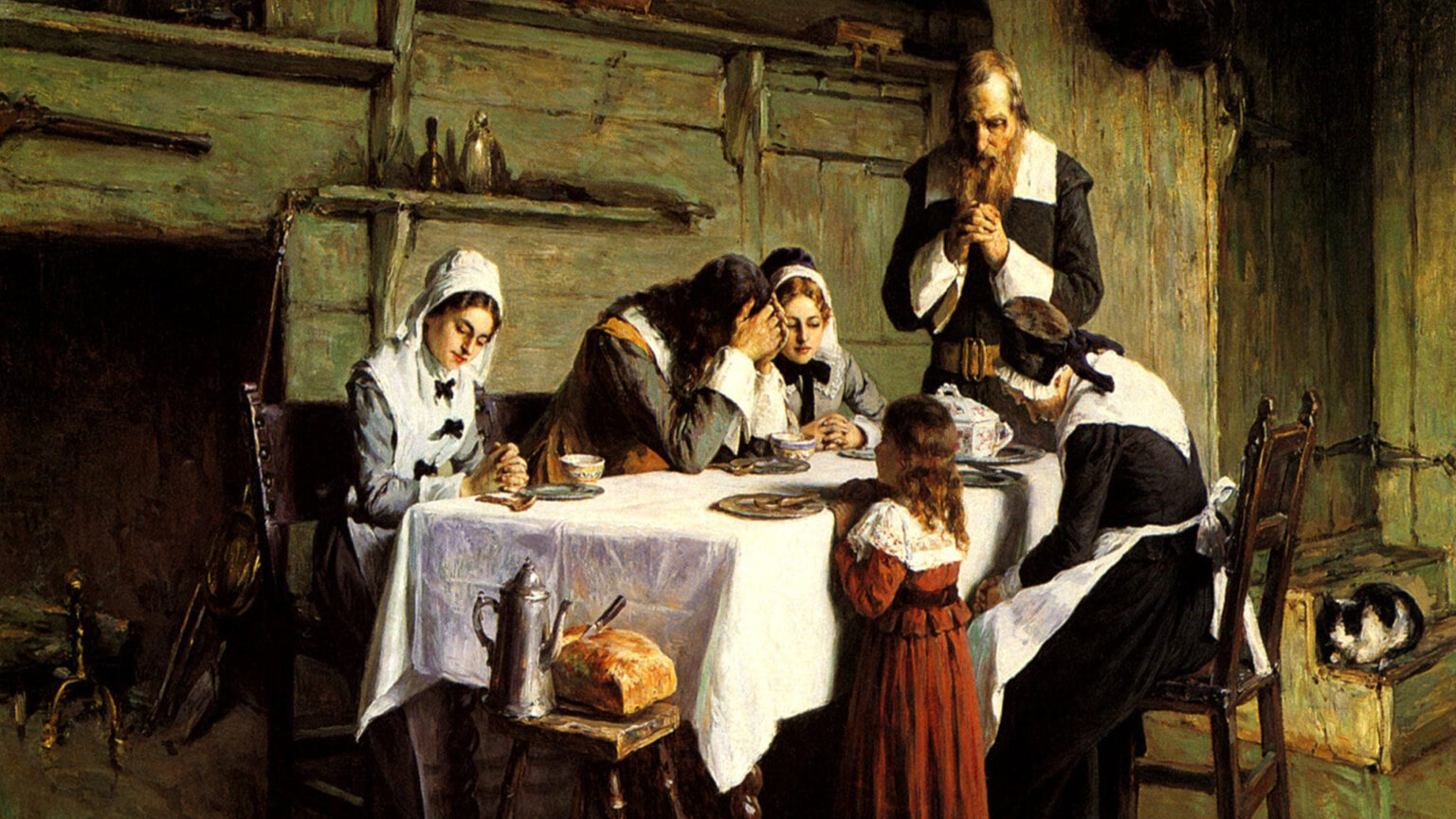
“Both Pearcey and Hawley remind readers that the best answer to the failures of men is to become more faithful Christians. They both recognize the damage cultural influences can have on men and women inside and outside the church. Both of the books provide strong critiques of truly toxic masculinity. They recognize that when those toxic traits appear within the church, foreign ideas about manhood have displaced a biblical vision.” Read the review.
|

Book Review
Chet Harvey
|
|

Book Review
Micah Meek
|
|

Book Review
Kathryn Butler
|
|

Book Review
Hannah Turrill
|
|

Book Review
Brian Davis
|
|
Book Review
Michael Philliber
|
|

Book Review
Noah Senthil
|
|

Book Review
Joseph A. Kohm Jr.
|
|

Book Review
Andrew Spencer
|
|
|
Links for the Reading Life
|
| 1. |
Alexandra Alter, Authors and Booksellers Urge Justice Dept. to Investigate Amazon (The New York Times)
“The effects of the site’s rise have been profound, Open Markets Institute and the other groups argued, contributing to a steep decline in the number of physical bookstores across the United States, and leaving publishers and authors beholden to the site.
Amazon also has influenced which books readers are exposed to and buy, and has made it more challenging for lesser-known authors to gain exposure on the site, while blockbuster authors and celebrities whose books are likely to sell well are prominently featured.”
|
| 2. |
Katherine A. Powers, AI Is Coming for Your Audiobooks. You’re Right to Be Worried (The Washington Post)
“I have listened to thousands of hours of audiobooks (it’s my job), so perhaps it’s not a surprise that I sense the wrongness of AI voices. Capturing and conveying the meaning and sound of a book is a special skill that requires talent and soul. I can’t imagine ‘Archie,’ for instance, understanding, much less expressing, the depth of character of say, David Copperfield. But here we are at a strange crossroads in the audiobooks world: Major publishers are investing heavily in celebrity narrators — Meryl Streep reading Ann Patchett’s ‘Tom Lake,’ Claire Danes reading ‘The Handmaid’s Tale,’ a full cast of Hollywood actors (Ben Stiller, Julianne Moore, Don Cheadle and more) on ‘Lincoln in the Bardo,’ to name a few. Will we reach a point where we must choose between Meryl Streep and a bot?”
|
| 3. |
Christopher Scalia, How to Justify the Study of Literature (The Public Discourse)
“In a widely discussed and very disheartening New Yorker piece this spring, Nathan Heller reported on the state of the English major and found it wanting. Perhaps the most alarming moment in the long essay came during an interview with James Shapiro, a professor at Columbia University and a prominent Shakespeare scholar, who confessed his doubts about the future of the English major based on his own declining reading habits. ‘I probably read five novels a month until the 2000s,’ he told Heller. ‘If I read one a month now, it’s a lot. That’s not because I’ve lost interest in fiction. It’s because I’m reading a hundred Web sites. I’m listening to podcasts.’ When even a prominent scholar acknowledges not only the difficulty of teaching literature to undergraduates, but also the decline of his own reading habits, the state of literary studies is dire.”
|
|
| |
|
|

The Gospel Coalition
8520 Allison Pointe Boulevard, Suite 220, Indianapolis, IN, 46250
Take control of your inbox
Manage your preferences and choose which newsletters you want to receive or unsubscribe from all emails.
|
|