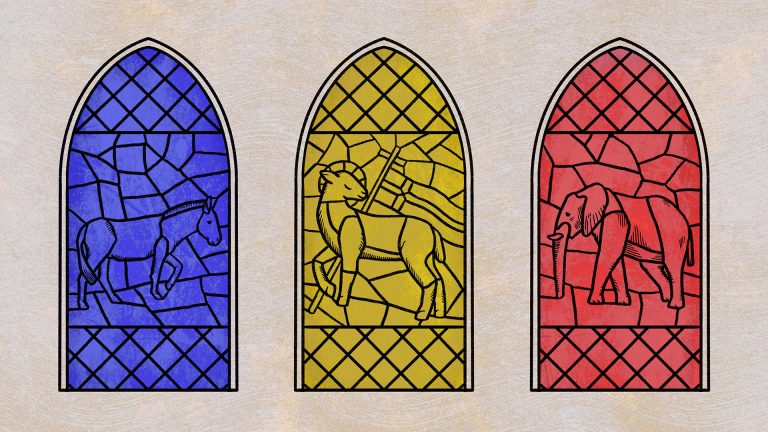
| Just about every day I’m on the phone with at least one pastor. Spread around the country, these pastors help me discern trends. Right now pastors feel uncertain on how to lead amid a pandemic, ongoing racial strife, and an upcoming presidential election. Undergirding everything is a polarized media climate that privileges the most extreme voices, who lead congregations astray without remorse. I’ve found it helpful to ask pastors to think about their church members differently. We’re often accustomed to assuming Christians prioritize the Bible and theology in their thinking. But no one lives out their spiritual convictions in a vacuum. They’re held alongside cultural assumptions and political commitments. Any given member of your church might rank politics, culture, and theology in a different order. But that’s not all. Your churches may assign them different values. Culture might determine 60 percent of someone’s response to your leadership. They might assign another 30 percent to politics and only 10 percent to theology. This is why a change in culture or politics can trigger accusations of theological heresy. Our theological beliefs are never actually alone. And sometimes they’re not even a high priority. Pastors always nod in agreement when I say that most churches won’t notice if you start preaching Arianism. But they’ll notice if you preach against their cultural and political shibboleths. What’s the solution? The gospel can transform any culture and political system. And it also transcends them. We need prophets, not partisans, as my colleague Brett McCraken puts it. There’s only one way to meet this challenge: by charging straight into it in the power of the gospel and in the name of Jesus that is above every other name. Only to him do we ultimately bow our knees. |