When you’re shepherding those who suffer chronically, present Jesus as the One who loves and sees them.
October 16, 2026
TGC Logo
Welcome to our weekly roundup of articles, podcasts, videos, and links curated by pastors, for pastors—to equip and encourage you in your ministry. You don’t have to shepherd alone. Let’s go.

WORD OF THE WEEK

When You’re Daily Confronted with a Need for Grace

Written by Clay Smith, senior pastor of Central Presbyterian Church in Clayton, Missouri

In pastoral ministry, we’re invited into those holy spaces where God is at work shaping his people in conformity with Christ. Often the theater of God’s work is suffering and the deepening sense of our need for Christ that accompanies it. Christ uses suffering to sanctify pastors and people together.

This has been true in my story. I’ve suffered from chronic pain for decades, and in recent years, it’s worsened significantly. We’ve sought the best medical attention, prayed, been anointed with oil and prayed for by the elders, and yet the Lord hasn’t yet relieved the suffering. In this persistent battle, God has drawn near and given me the gift of his comfort. And as a pastor, I have the profound privilege of sharing that comfort with the people I shepherd, the privilege of comforting them with the comfort I’ve received (2 Cor 1:3–5).

God’s sustaining grace has become even more precious to me than his healing grace, because I’m confronted every day with my need for it. I’ve also learned to see that the people I serve are daily confronted with their need for grace, too. If God’s saints were always healed immediately, it would be easy to forget how much we need God’s comfort. But those who suffer from chronic illness depend on God’s sustaining grace every single day.

Charles Spurgeon, the barrel-chested preacher of grace, battled depression and chronic pain throughout his ministry, so much so that he was out of the pulpit more than a third of the time. Of his depression and pain, Spurgeon said, “I’ve learned to kiss the waves that throw me against the Rock of Ages.” May we and our congregations be able to say the same.

When you’re shepherding those who suffer chronically, present Jesus as the One who loves and sees them, who remains on the throne ruling, and who offers the certain hope that one day the pain we experience will be relieved. Turn the eyes and hearts of your flock to Jesus, the Rock of Ages. He is our Immanuel, the One who has already begun his good work of sustaining us for the day to come when he will wipe away every tear and finally heal every wound.

—Clay

In Suffering, God Isn’t (Simply) Teaching You a Lesson

Resource Roundup

5 Postures for New Elders

Godly elders are brothers desperately trying to love and serve God while loving, leading, and serving their local church—but it’s a challenge to know how to do that in any given situation. Ben Brophy shares what new lay elders should do when the answers aren’t obvious.

What Acts Teaches About Church-Growth Problems

Like the early church, today’s churches experience problems that come with growth, but as Josh Benadum writes, God uses our struggles to build maturity and accomplish his mission to the world.

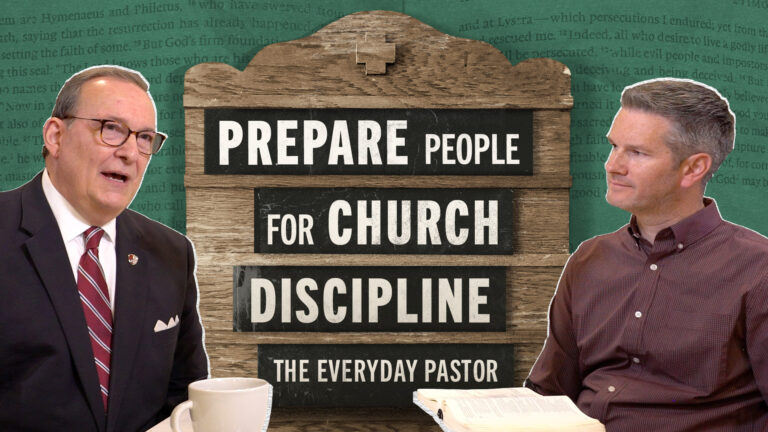
Prepare People for Church Discipline

Practicing church discipline is a vital biblical responsibility that’s often ignored in our modern age. In this episode of The Everyday Pastor podcast, Ligon Duncan and Matt Smethurst discuss what church discipline is and isn’t, why healthy congregations practice it, and why it’s actually a form of love.


Around the Web

Here are links to other great resources worth your time:
  • Greg Morse challenges preachers to pursue vocal excellence with the same discipline they bring to sermon preparation, arguing that poor delivery can undermine even the best biblical exposition.

  • Tinashe Chengeta reminds pastors that true influence comes from Christlike integrity, not name-dropping or credentials, and that even the most prominent leaders are fallen people who need accountability because they’ll one day give an account for how they stewarded their platform.

  • Stephen Kneale makes the case that sharing preaching duties isn’t just about developing others. It’s essential for creating sustainable ministry, for ensuring continuity after pastoral transitions, and for freeing up time for the relational pastoral work modern ministry demands.

Find more resources for pastors at tgc.org/pastors.
Advertisement