



The weekly TGCvocations column asks practitioners about their jobs and how they integrate their faith and work. Interviews are condensed.
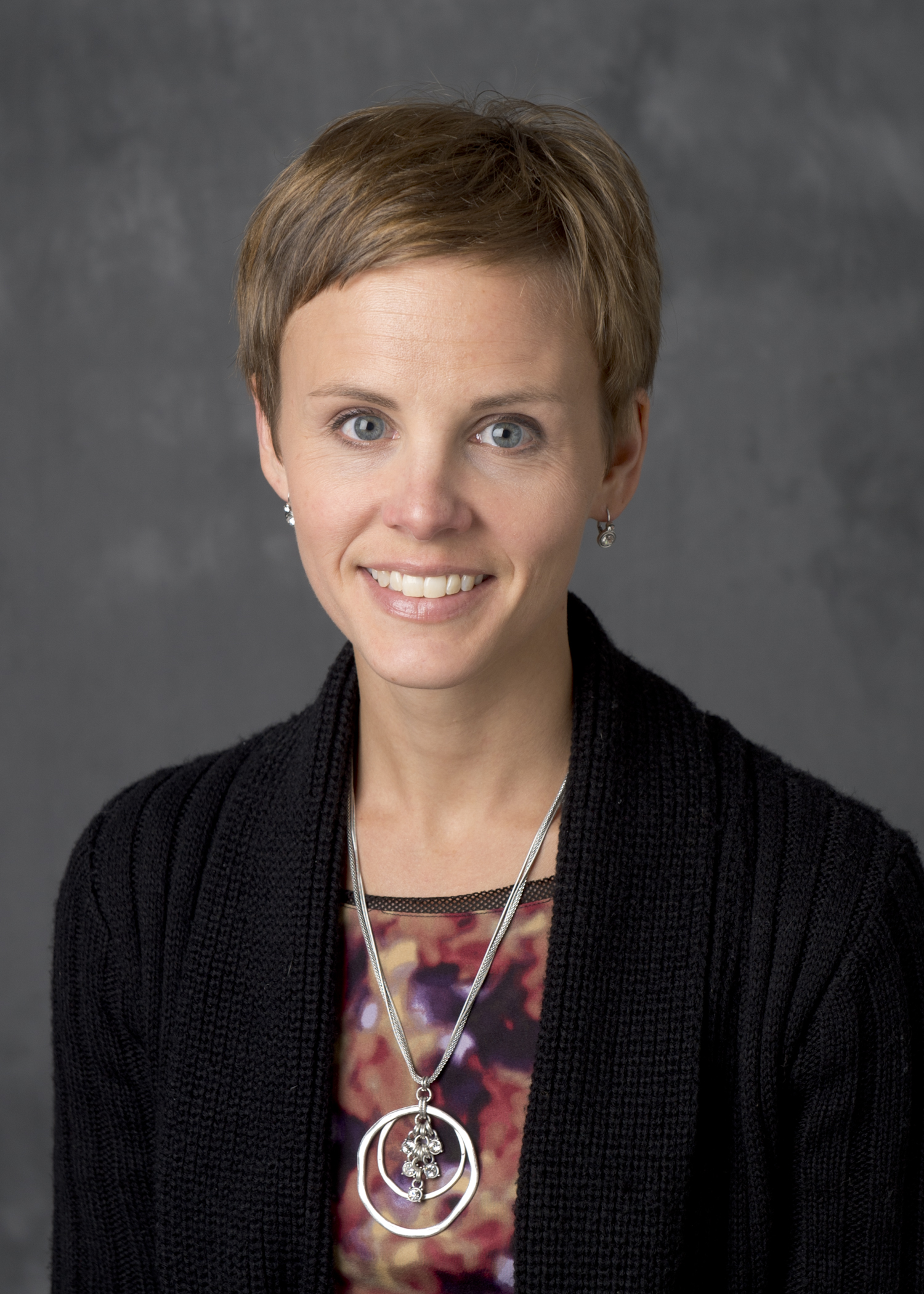
Dr. Abigail Borron is an assistant professor of agricultural communication at the University of Georgia. She lives in Athens, Georgia, with her husband Earl, who is a marketing and branding professional, and their daughter Parker. In her opinion, having the opportunity to work on the complexities of both culture and food security is a privilege.
 How would you describe your work?
Agricultural communications is a profession that forces you to stay on your toes and never become complacent in what you know or how you know it. So my work is threefold: teaching, research, and engagement.
I don’t expect my students to be agricultural advocates necessarily, but I do challenge them to be critical thinkers who can take responsibility—both ethically and professionally—for the translation of science, the development of messages, and the connection to highly diverse and complex audiences.
As an image-bearer of God, how does your work reflect some aspect of God’s work?
When I’m collecting research data, it’s often done through in-depth interviews with individuals who are food insecure—that is, they are in the state of being without reliable access to a sufficient quantity of affordable, nutritious food and are often struggling to make ends meet. When conducting an interview, it’s done in a way that allows the participant to drive the discussion. To me, this model of research reflects the life of Jesus when he came to us in our brokenness, listened to us, and knew us.
As I listen to, engage with, and formulate a research-based solution, Matthew 25:40 reminds me to step back and ask, “Who am I truly doing this for? These people who have developed a trusting relationship with me, or myself and the advancement of my work and career?”
How does your work give you a unique vantage point into the brokenness of the world?
While the system expects a prescribed solution through developed programs, carefully crafted messages, and educational resources, God expects an authentic investment in the lives of those seen by society as outsiders.
I may explore experiences at local food pantries with my research participants, but my interest is in the myriad issues and obstacles those participants bring to the table—physical abuse, illness, drug abuse, and so on—that deeply impact their relationship with food. If I weren’t doing this work, I wouldn’t understand the depths of these issues.
Jesus commands us to “love our neighbors as ourselves.” How does your work function as an opportunity to love and serve others?
I focus on 1 Corinthians 13:1–3 in my research. All created knowledge means nothing if it’s not grounded in love for those I’m committed to serve through my work. I allow this understanding to permeate my teaching, especially when I teach students about telling the story of others. We must learn how to listen with humility, recognize that our biases often cloud our understanding, and instill personal ethics and morals as we carry forward the stories with which we’ve been entrusted.
Free eBook by Tim Keller: ‘The Freedom of Self-Forgetfulness’
 Imagine a life where you don’t feel inadequate, easily offended, desperate to prove yourself, or endlessly preoccupied with how you look to others. Imagine relishing, not resenting, the success of others. Living this way isn’t far-fetched. It’s actually guaranteed to believers, as they learn to receive God’s approval, rather than striving to earn it.
In Tim Keller’s short ebook, The Freedom of Self-Forgetfulness: The Path To True Christian Joy, he explains how to overcome the toxic tendencies of our age一not by diluting biblical truth or denying our differences一but by rooting our identity in Christ.
TGC is offering this Keller resource for free, so you can discover the “blessed rest” that only self-forgetfulness brings.