Every Type of Psalm Belongs to Jesus
When we see Jesus’s full experience of suffering, we learn the laments weren’t meant to send us spiraling into despair. Instead, God invites us to pour out our complaints to him.
When we see Jesus’s full experience of suffering, we learn the laments weren’t meant to send us spiraling into despair. Instead, God invites us to pour out our complaints to him.
We should love our country as dual citizens—strangers and exiles on earth, citizens of heaven.

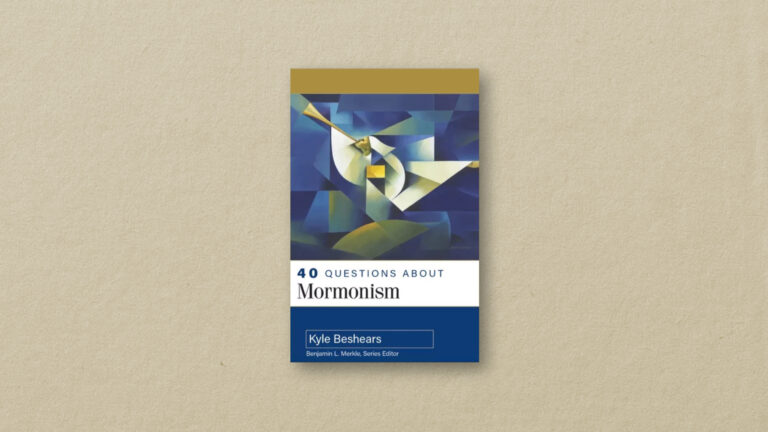
‘40 Questions About Mormonism’ is the clearest general introduction to Latter-day Saint history and doctrine available for evangelical readers.
There are several good reasons to think Jude did not believe that 1 Enoch is Scripture.
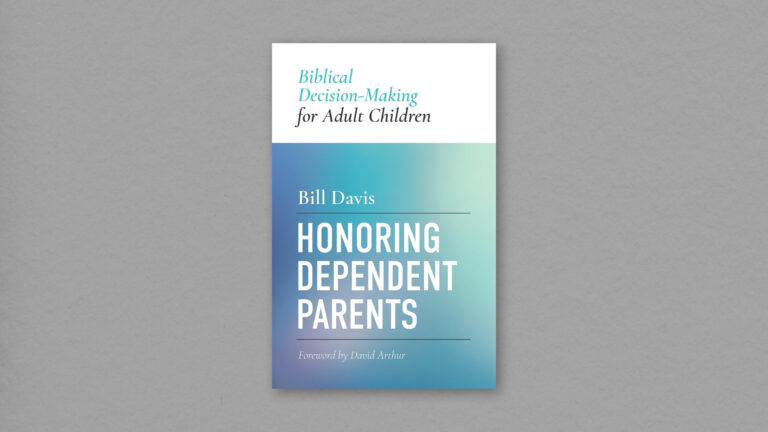
‘Honoring Dependent Parents’ should become a standard resource for Christians learning to care for the parents who can no longer take care of themselves.
A generation that minimizes certain doctrines raises a generation that no longer knows those doctrines.

In a culture that doesn’t seem to understand what makes masculinity different from femininity, ‘Authentic Masculinity’ offers a clear and compelling explanation.
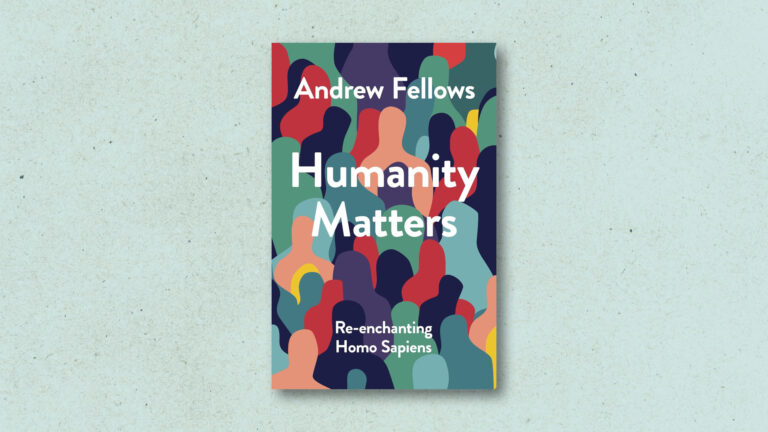
‘Humanity Matters’ offers an encouraging emphasis on recovering a robust biblical anthropology.

By elevating Thomas to almost canonical status, well-intentioned retrieval theologians may well have opened a floodgate that won’t be shut before many have abandoned Protestantism.

Alex O’Connor recently argued that Scripture can just as easily be used to condone slavery as to condemn it. Is he right?

Christians fight with spiritual weapons against principalities and powers, not with guns and bombs against other human beings. But we’re still at war.
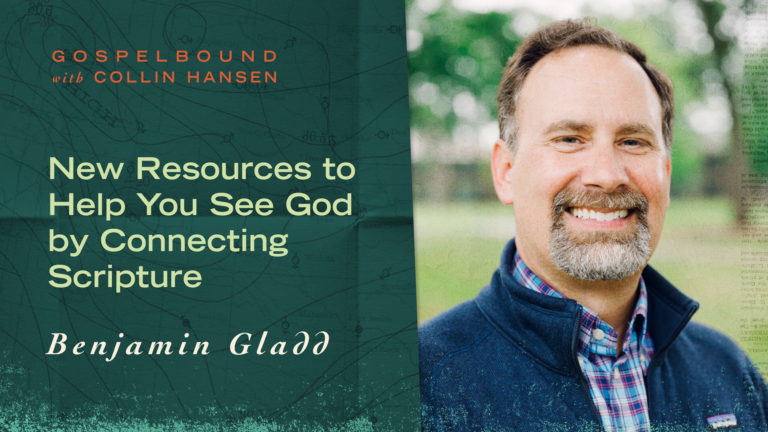
Benjamin Gladd explains how connections between the Old and New Testaments reveal the Bible’s overarching story of redemption.

Whatever happens to either Christ’s human or divine natures happens to the person.

My autoimmune skin disease is painful, but it has deepened my love for Jesus and my understanding of the gospel.

The Hebrew text of Isaiah 53:11 refers to God’s crediting of righteousness to the ‘many’ on behalf of the servant’s work.