







Last September, my brother-in-law, who lives in Portsmouth, UK, got married, and my family went to England to the wedding. During that week, I had the opportunity to visit a few places that were meaningful to me as a reader of G. K. Chesterton, C. S. Lewis, and J. R. R. Tolkien. (You can see some of the pictures from that trip here, here, and here.)
Earlier this month, I was in the UK again, but this time, I was part of a tour celebrating the release of several resources related to Charles Spurgeon (the publication of his earliest sermons, a historical novel about his relationship to a former Virginian slave, and the forthcoming release of The Spurgeon Study Bible). Knowing there are many who read my blog who have benefited from Spurgeon’s legacy of preaching, I’d like to share some of the pictures from our tour.
Spurgeon’s Conversion
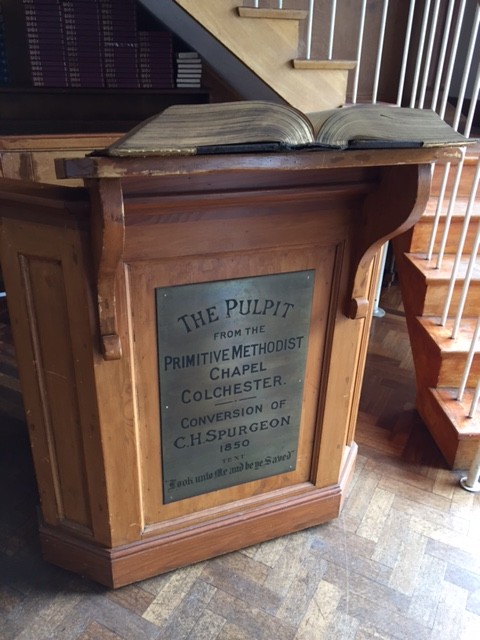
One of the highlights of our trip was hearing Susannah Spurgeon, the great-great-grandaughter of the famous preacher, read his conversion story to us. It was moving to hear this descendant of Spurgeon choke up as she read about her ancestor’s encounter with God.
It was during a snowstorm when the 15-year-old entered the Primitive Methodist Chapel in Colchester. A substitute lay preacher stepped into the pulpit and read his text—Isaiah 45:22—“Look unto me, and be ye saved, all the ends of the earth; for I am God, and there is none else.”
Spurgeon’s Autobiography records his reaction:
“He had not much to say, thank God, for that compelled him to keep on repeating his text, and there was nothing needed—by me, at any rate except his text. Then, stopping, he pointed to where I was sitting under the gallery, and he said, ‘That young man there looks very miserable’ . . . and he shouted, as I think only a Primitive Methodist can, ‘Look! Look, young man! Look now!’ . . . Then I had this vision—not a vision to my eyes, but to my heart. I saw what a Savior Christ was. . . . Now I can never tell you how it was, but I no sooner saw whom I was to believe than I also understood what it was to believe, and I did believe in one moment.
And as the snow fell on my road home from the little house of prayer I thought every snowflake talked with me and told of the pardon I had found, for I was white as the driven snow through the grace of God.”
Spurgeon’s First Church
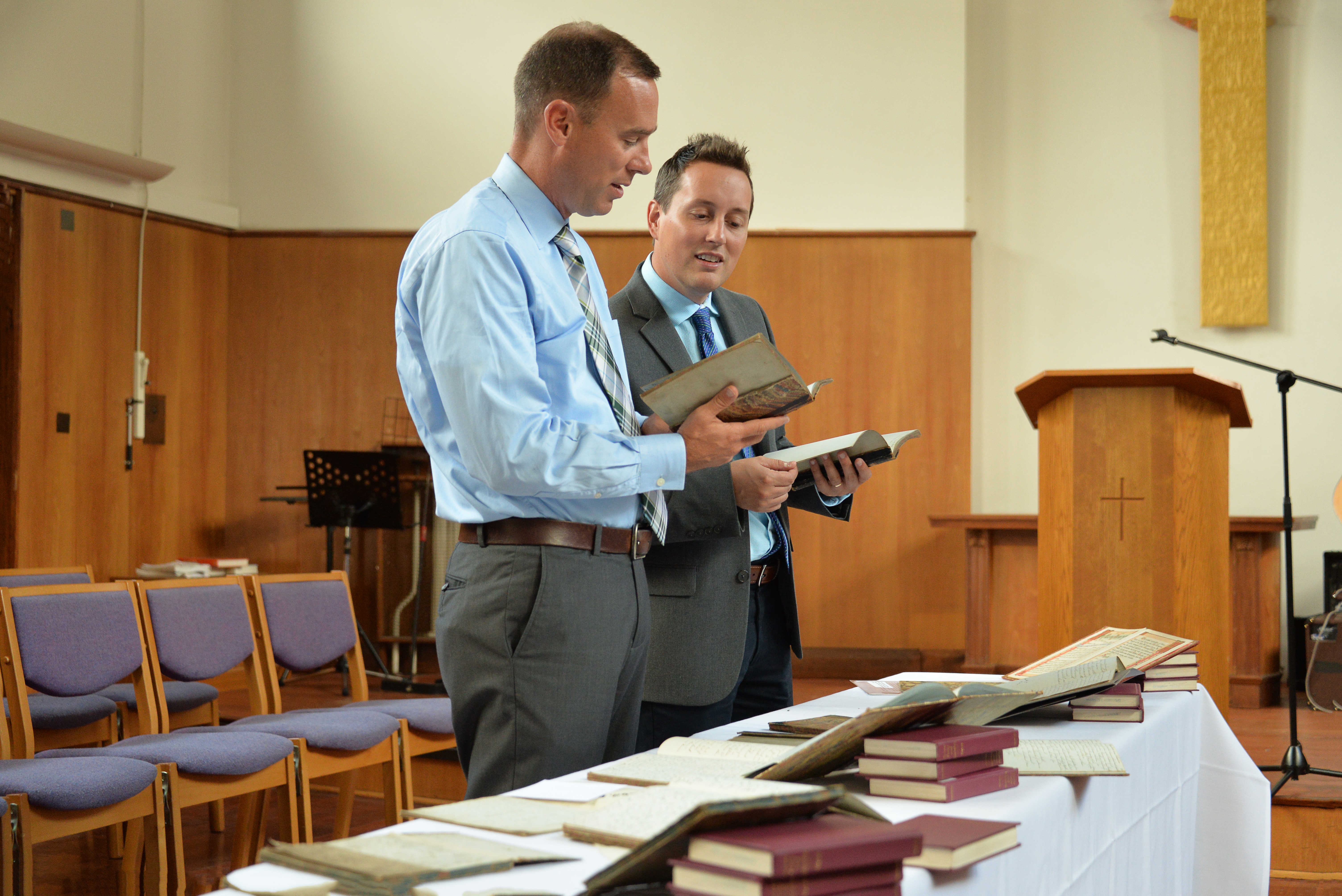
One of the stops on our tour was to Waterbeach Baptist Church in a village just outside of Cambridge. Spurgeon became pastor here when he was just 16 years old. On the morning we visited, the sanctuary was teeming with kids, mostly unchurched, who were there for a vacation Bible school type of experience to introduce the gospel. It was wonderful to see this church is not a museum, but a thriving place for rural ministry.

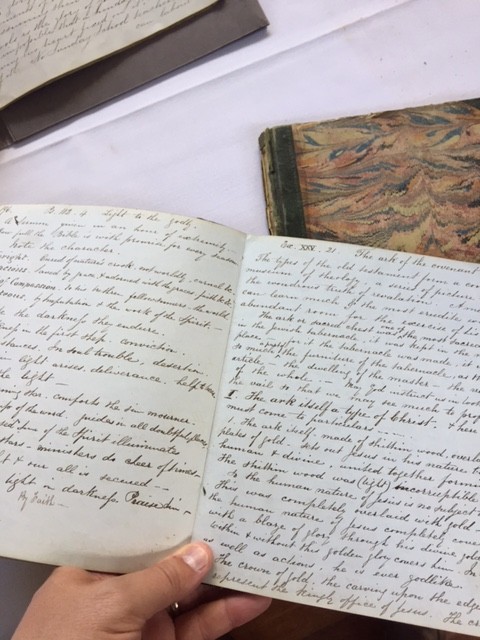
Waterbeach is where Spurgeon preached most of his earliest sermons. These recently discovered sermons are now being released in 12 volumes as The Lost Sermons of Charles Spurgeon. They are housed at the Spurgeon College in London. Eric Geiger and I spent some time looking through the original journals. (Interestingly, some pages are blank, with only a title and a passage. Like most preachers, Spurgeon had ideas that never went anywhere!)
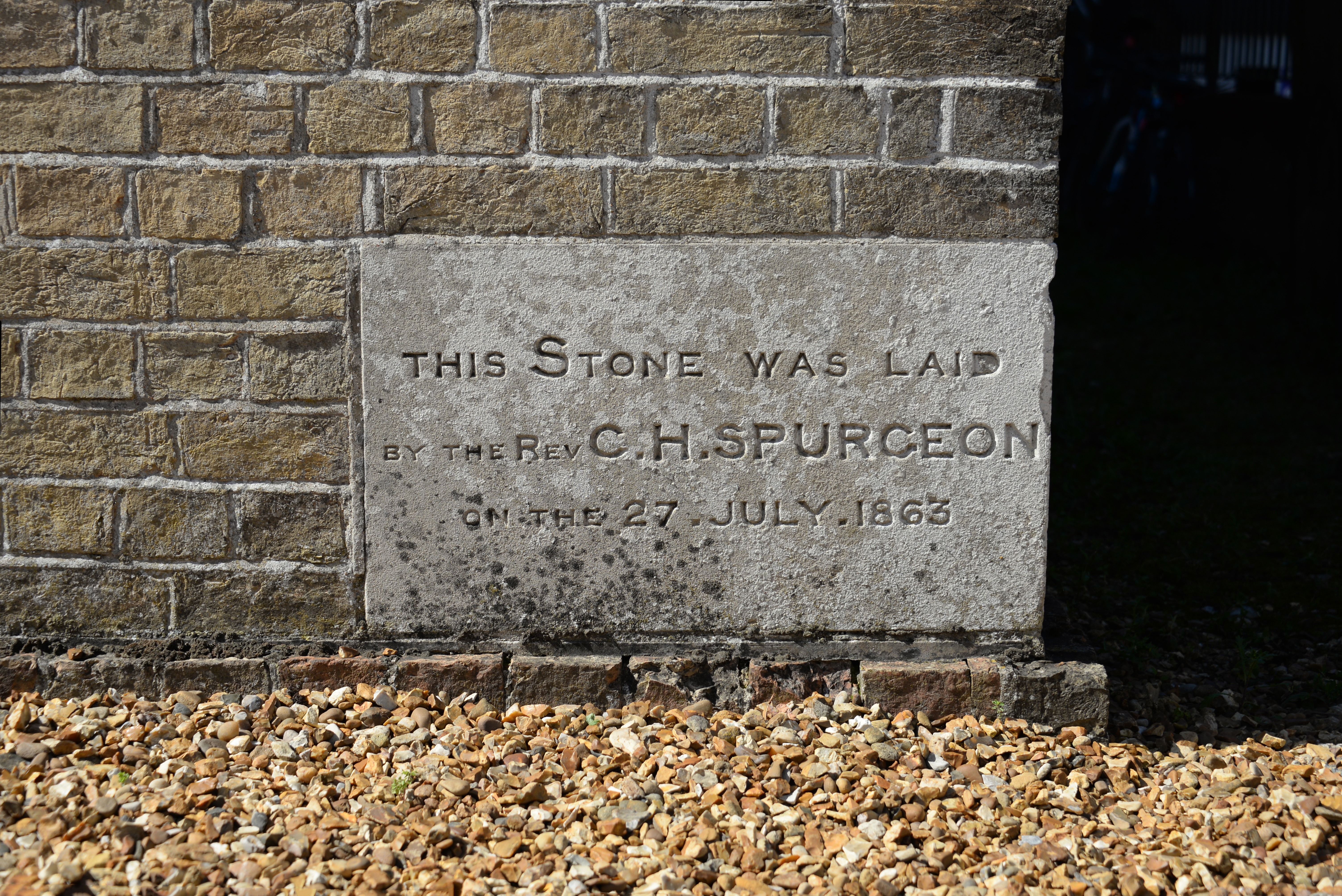
Years later, after Spurgeon was already pastoring in London, the original church building in Waterbeach burned down. Spurgeon funded the rebuilding of the sanctuary and laid the foundation stone for the structure that still stands there.
Cambridge
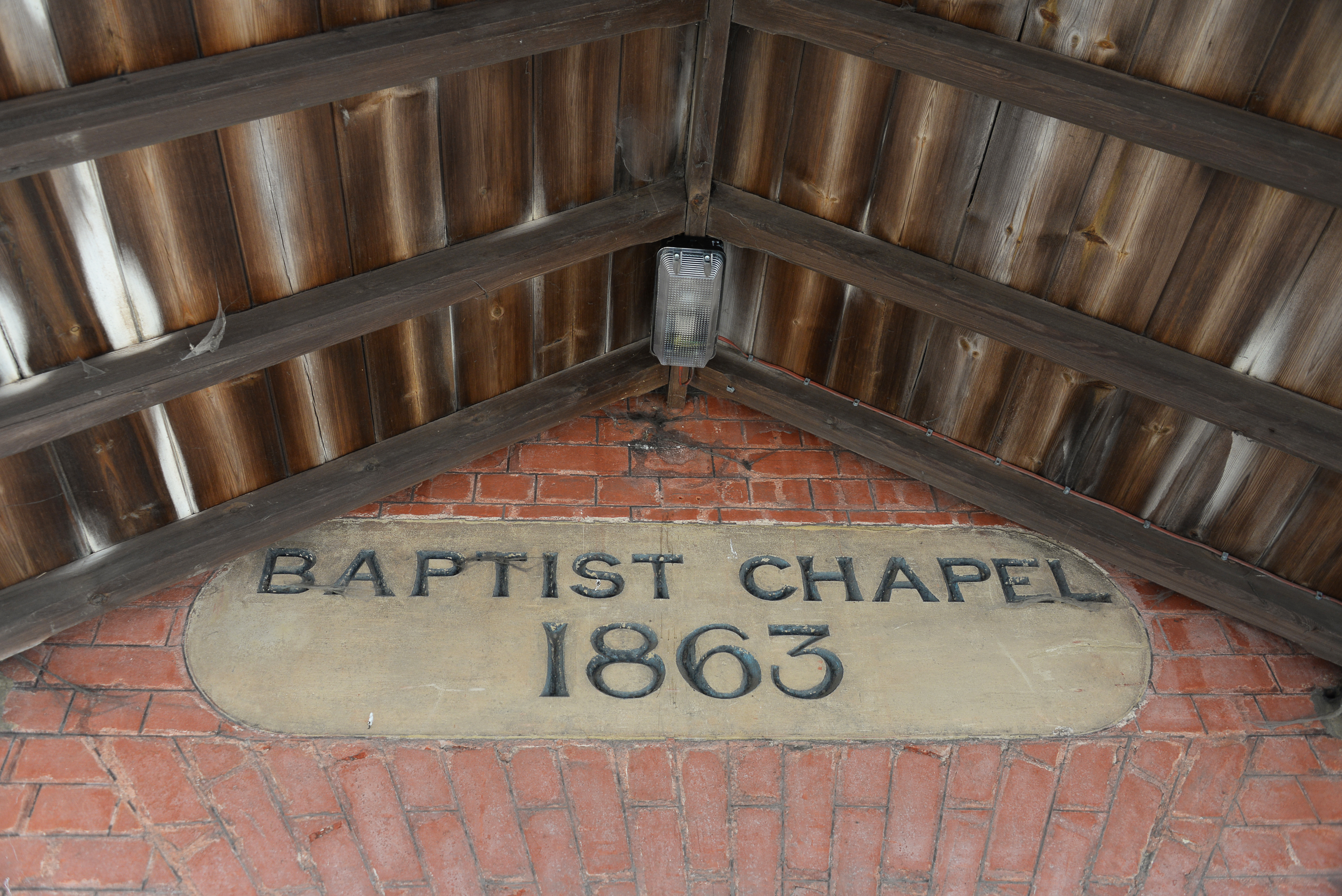
On the next part of our tour, we stopped in Cambridge at St. Andrews Street Baptist Church.
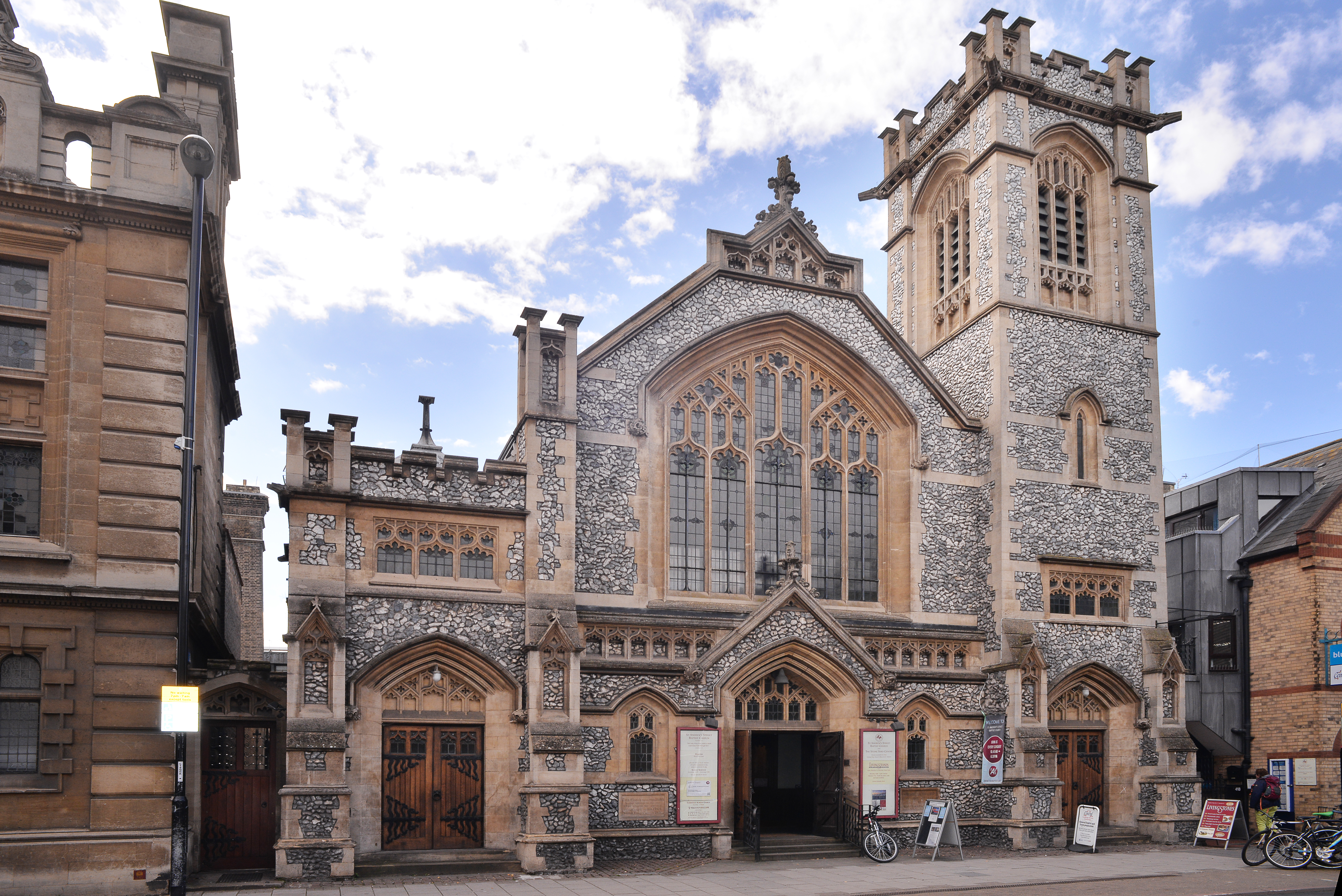
Spurgeon had interaction here, but this church is best known for being the place where the hymn “Come Thou Fount of Every Blessing” was composed.
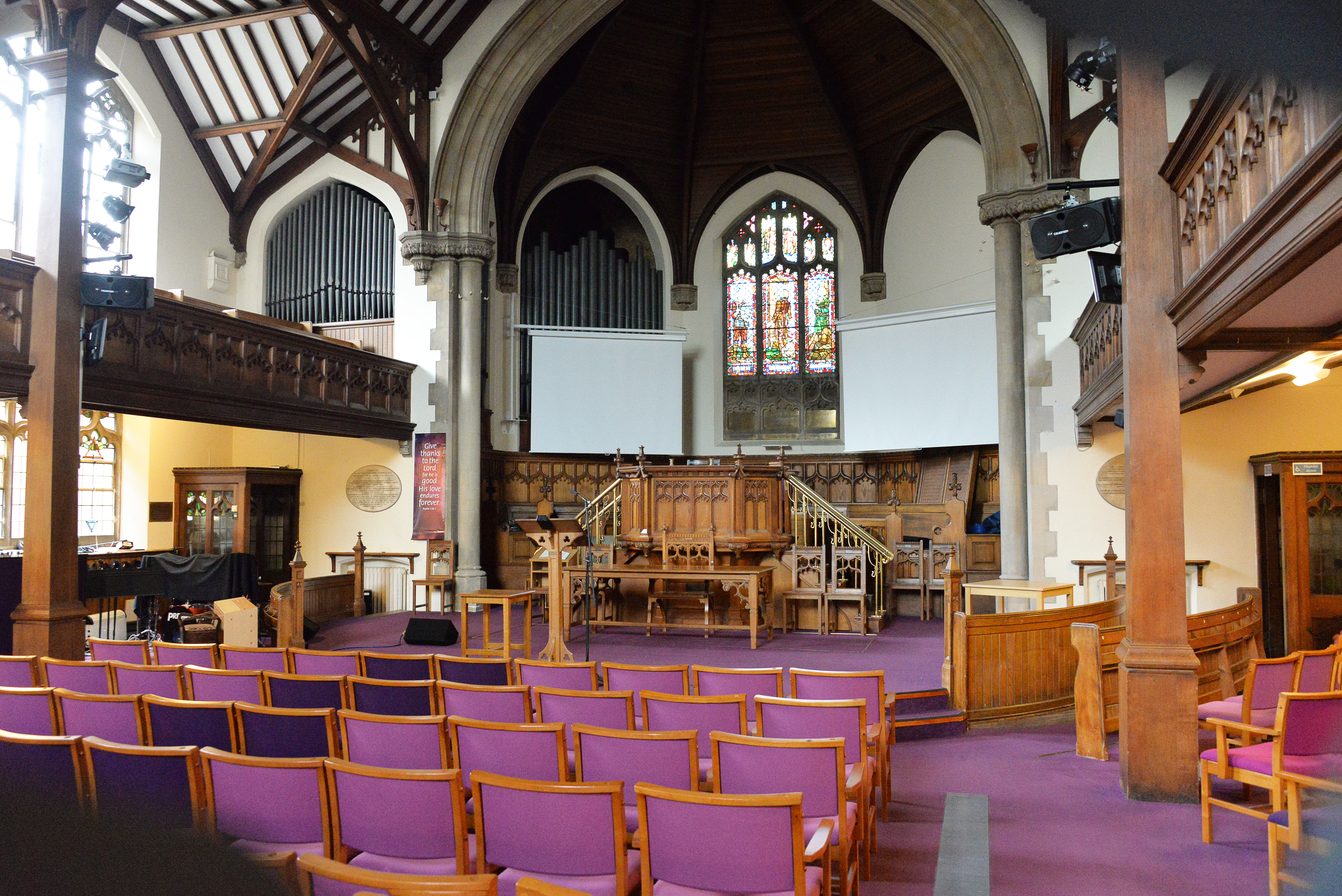
This historic church houses a chair and footstool that belonged to William Carey, the famous missionary to India.

In Cambridge, we took a break for lunch, where singer/songwriter Andrew Peterson joined us. (You can read some of my posts about Andrew’s excellent work here or interviews here, here, and here.)

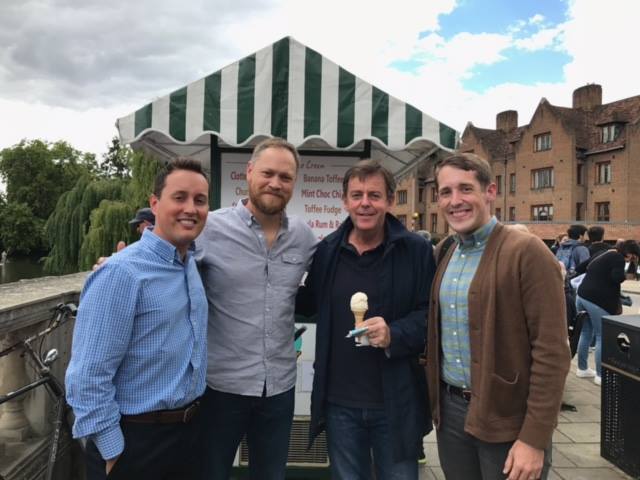
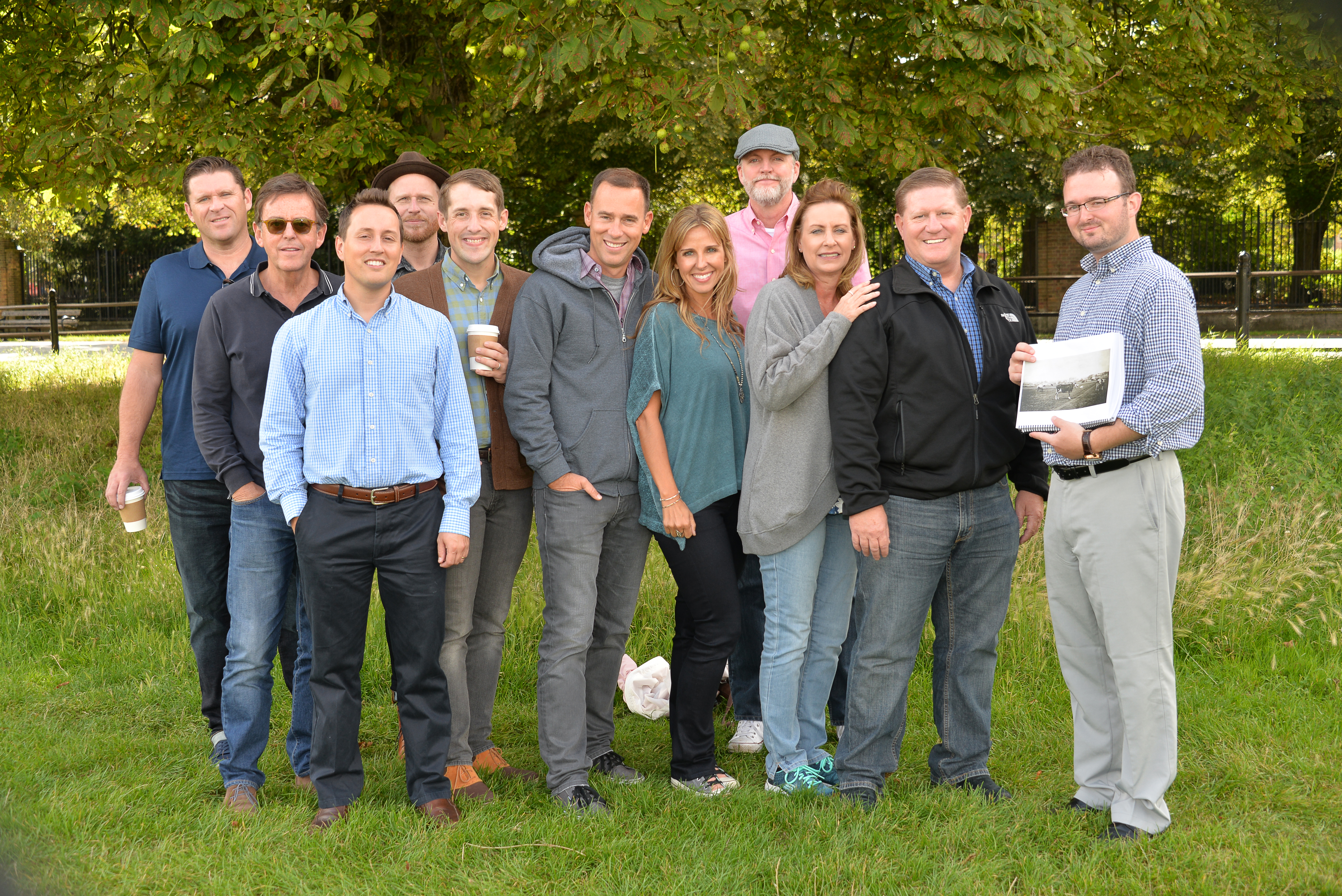
We went to a field in Cambridge where a conflicted Spurgeon walked and prayed, unsure whether he should leave the pastorate for a time in order to pursue higher education, or remain in ministry and forego the opportunity. During his walk through this field, Spurgeon sensed the Lord telling him to not abandon his pastorate.
Spurgeon’s Ministry in London
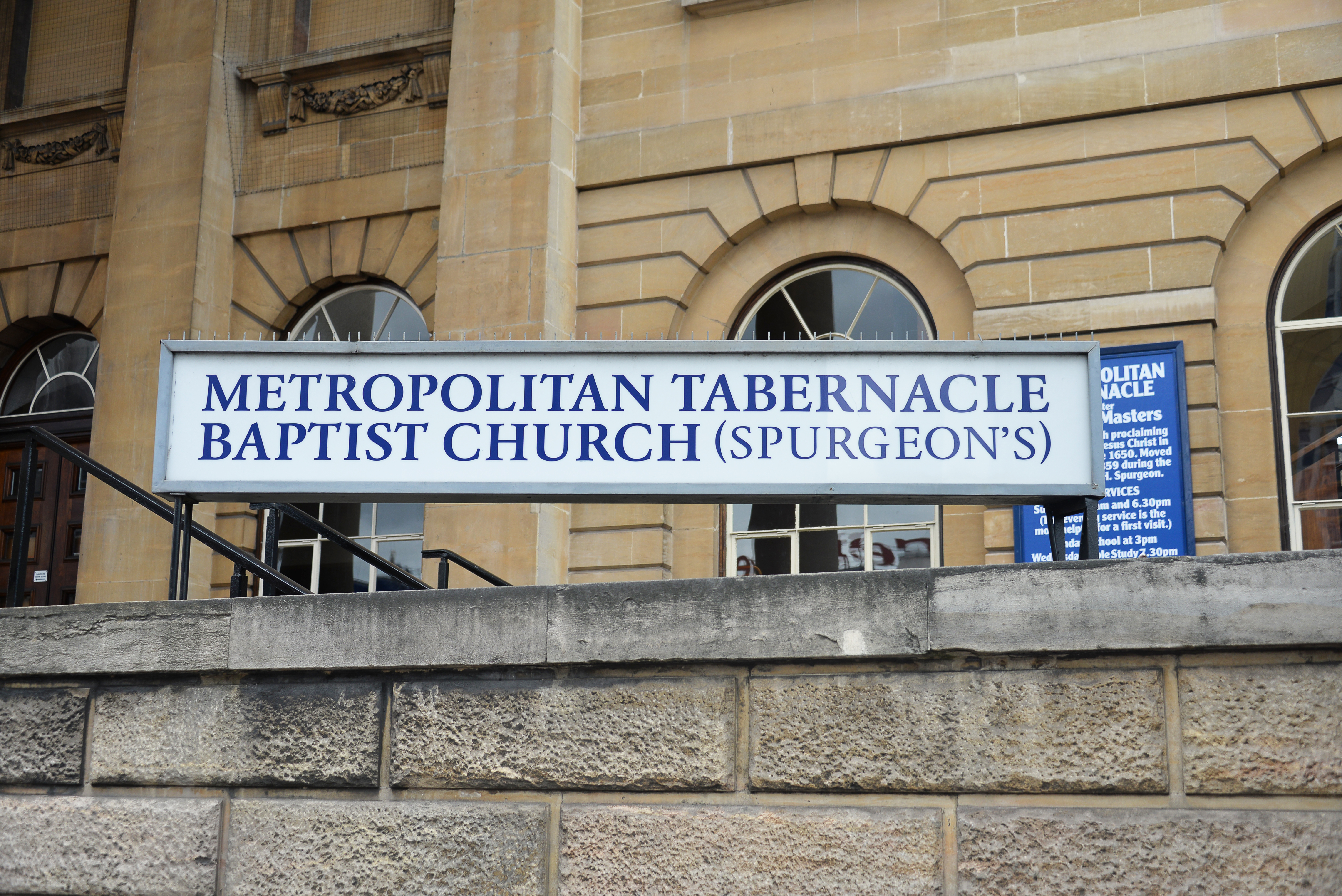
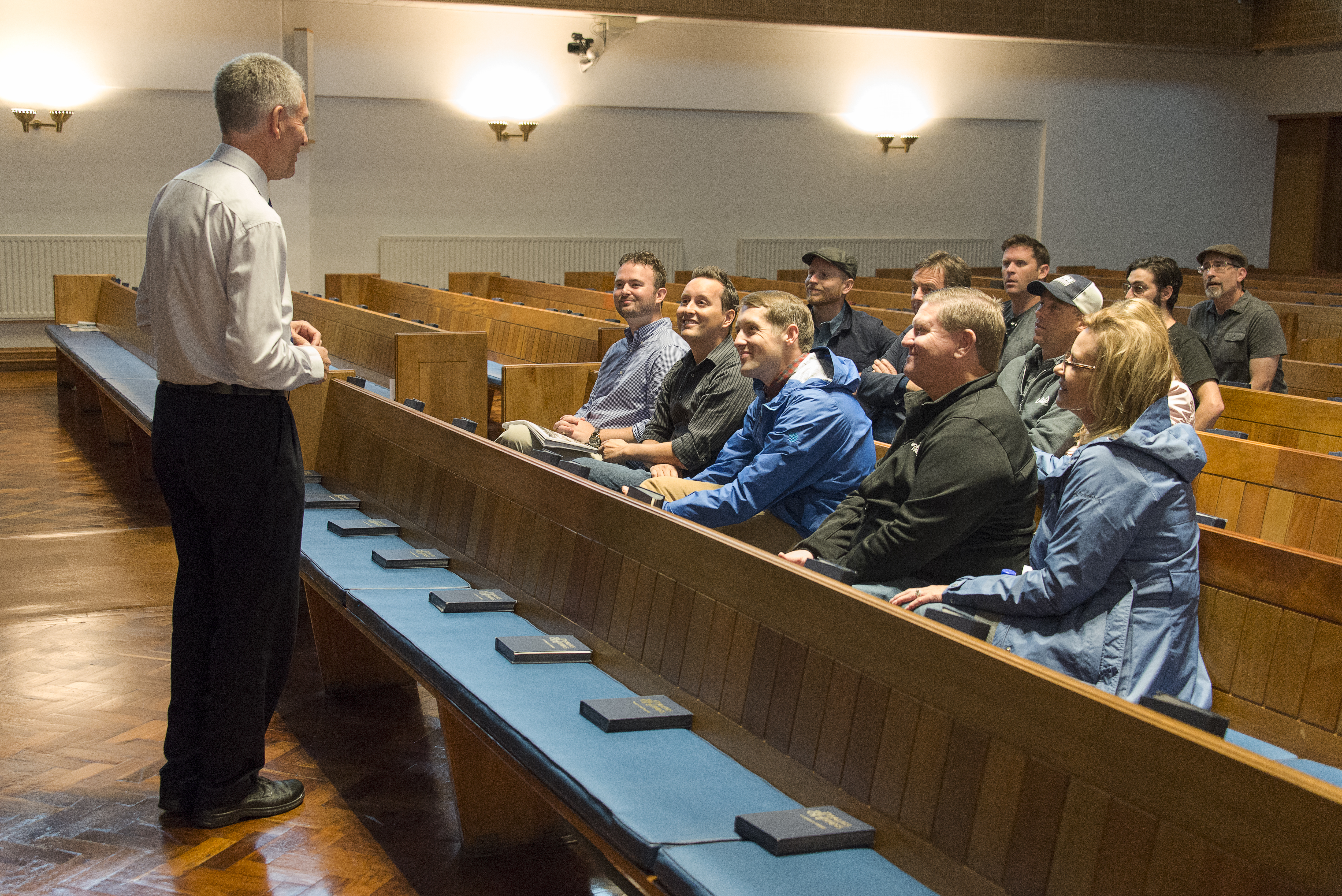
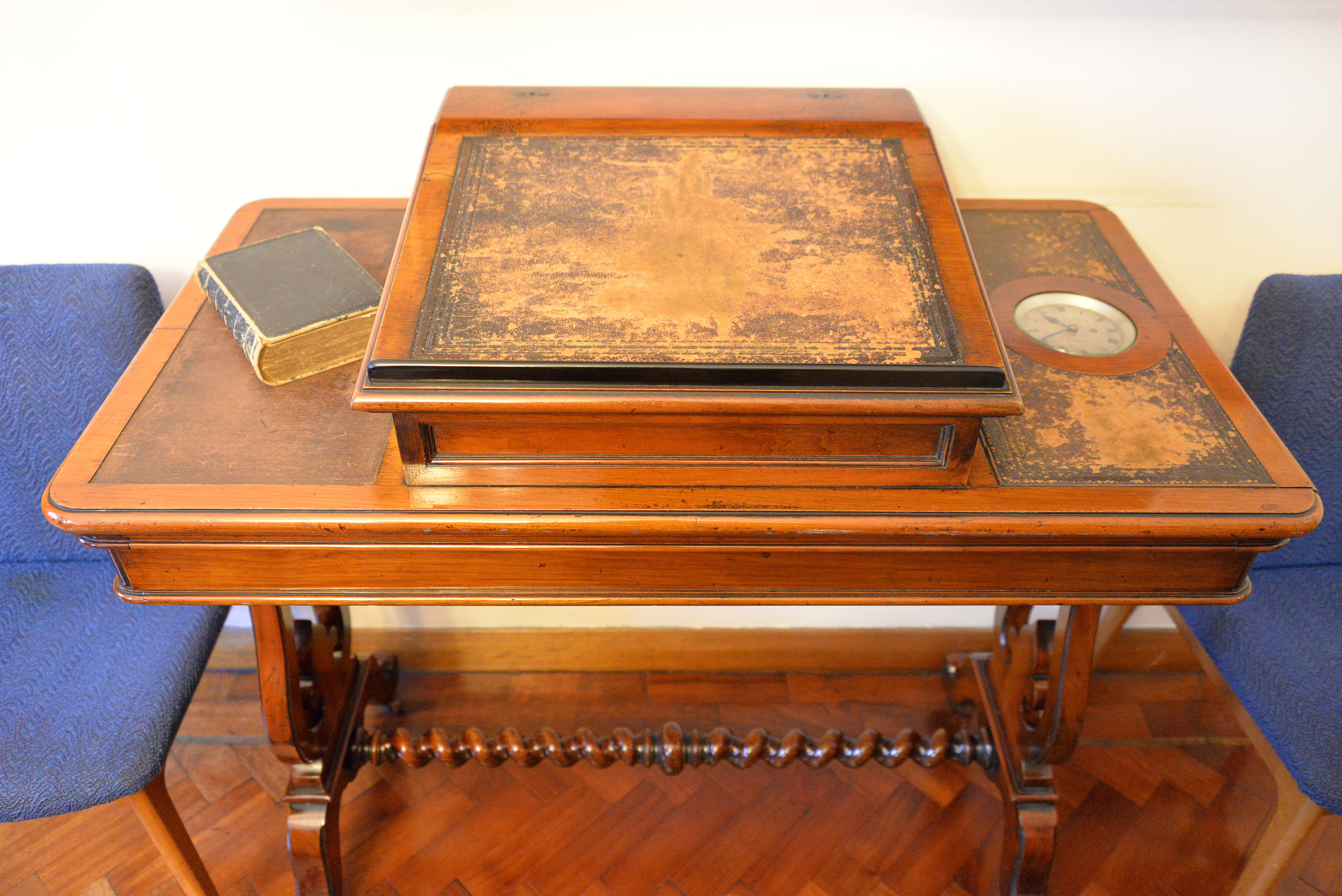
Most of Spurgeon’s life was spent in London, where he was pastor at the Metropolitan Tabernacle. Here is the place where most of his sermons were preached and published. It was also ground zero for social work and ministry. He began more than 60 organizations, including an orphanage that continues to serve children today.

Spurgeon’s Tomb
On the last day of our tour, we spent some time at the graveside where Charles and his wife, Susannah, are buried.

It was wonderful to be joined there by Spurgeon’s descendants today.
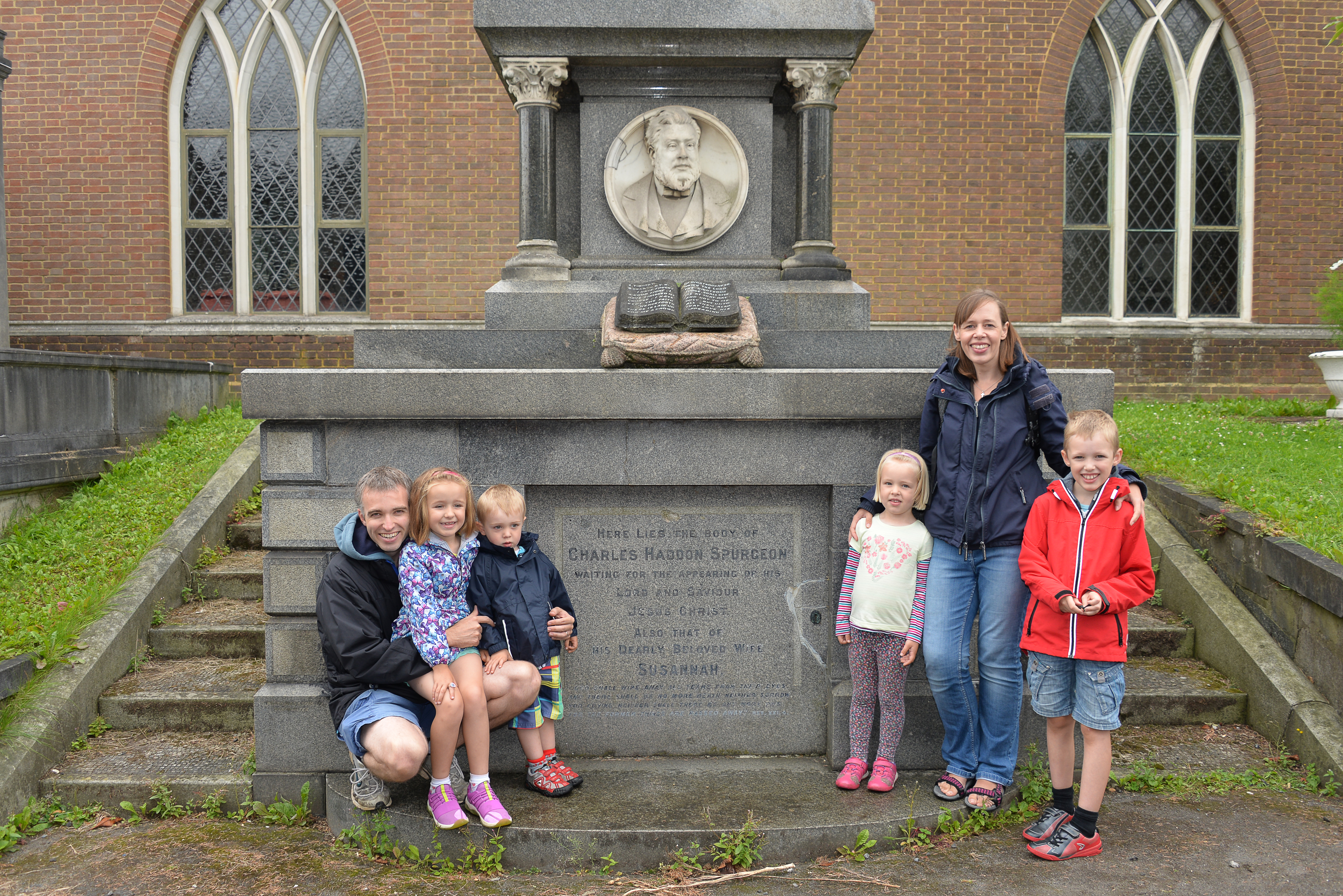
On the grave is inscribed the words from a hymn:
Redeeming love has been my theme and shall be till I die.
For more information on Spurgeon-related resources:
- The Lost Sermons of Charles Spurgeon (volume 1)
- The Spurgeon Study Bible, edited by Alistair Begg.
- Also visit Spurgeon.org, which contains a wealth of resources from Spurgeon.