
Definition
While the theology of the Anglican Church today has been affected by various movements such as Anglo-Catholicism and theological liberalism, Anglican theology is historically rooted in the Protestant documents that were developed in the period of the English Reformation, most importantly the Thirty-nine Articles, the Homilies, and the Book of Common Prayer.
Summary
Anglican theology is historically rooted in the documents that were developed in the period of the English Reformation, most importantly the Thirty-nine Articles, the Homilies, and the Book of Common Prayer. The chief architect of this new communion was the archbishop of Canterbury, Thomas Cranmer, an English Catholic influenced by Luther. The most foundational piece of Anglican theology composed by Cranmer is the Thirty-nine Articles, which were regarded as providing a comprehensive system of doctrine for the reformed Church and have remained unchanged since 1571. One of the more substantial developments within the Anglican Communion has been the rise of Anglo-Catholicism, a movement that seeks more conformity with their reconstruction of the pre-Reformation church against what they see as “Protestant innovations.” At the same time, the Anglican Communion has been assailed by widespread theological liberalism and has been unable to establish structures for ensuring a common discipline among the forty autonomous churches that constitute it. Whether the Anglican Communion can regroup around the doctrines of the Reformation or whether the Communion will disintegrate into its constituent parts remains to be seen.
Articles
5 Reasons Reformation Anglicanism Is Relevant
Reformation Anglicanism is apostolic, catholic, mission-focused, liturgical, and transformative.

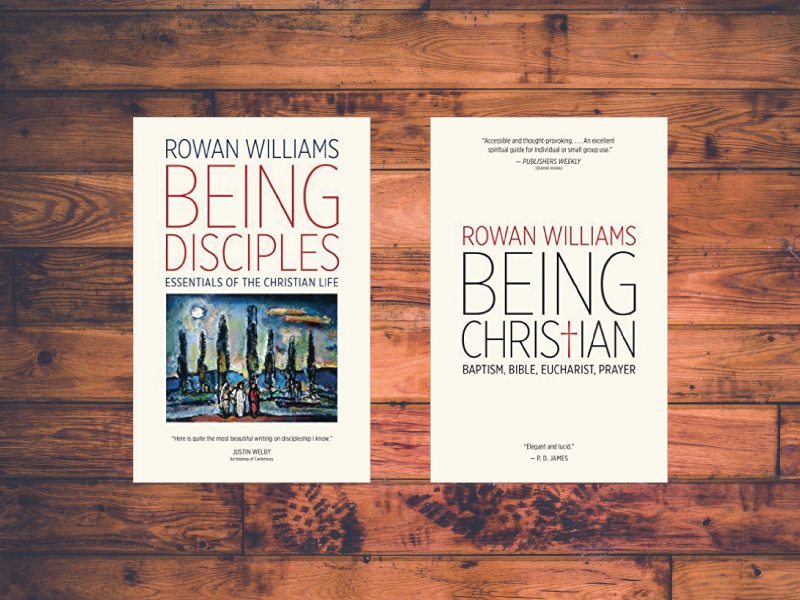
Why Christian Discipleship Needs Reformed Theology
As a test case, these books serve as an example of what happens when we attempt to build a vision for Christian discipleship on foundations other than Reformed theology.
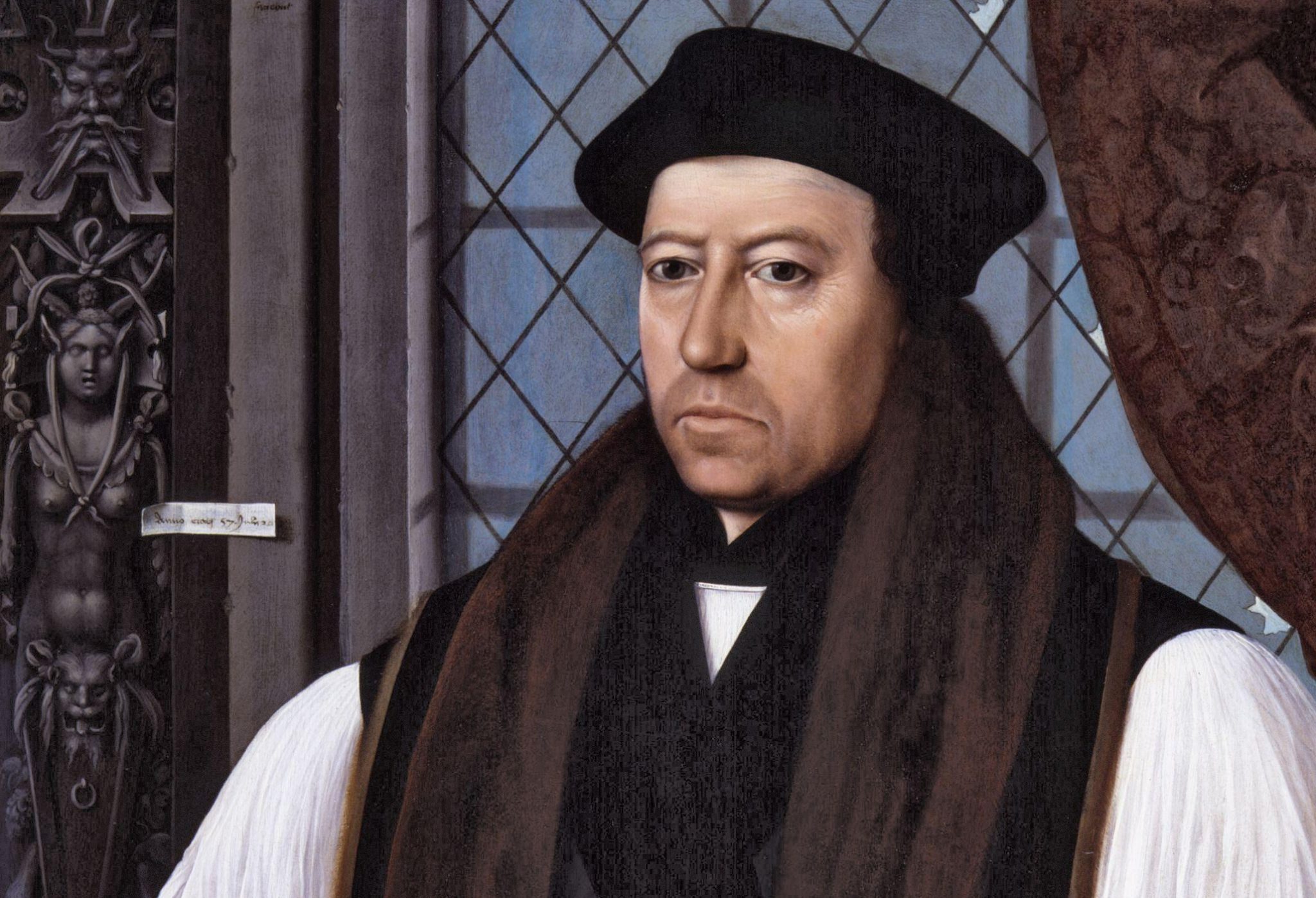
Thomas Cranmer Was Gospel-Centered Before It Was Cool
Churches prone to faddism would do well to recover the gospel-centered vision of Thomas Cranmer.
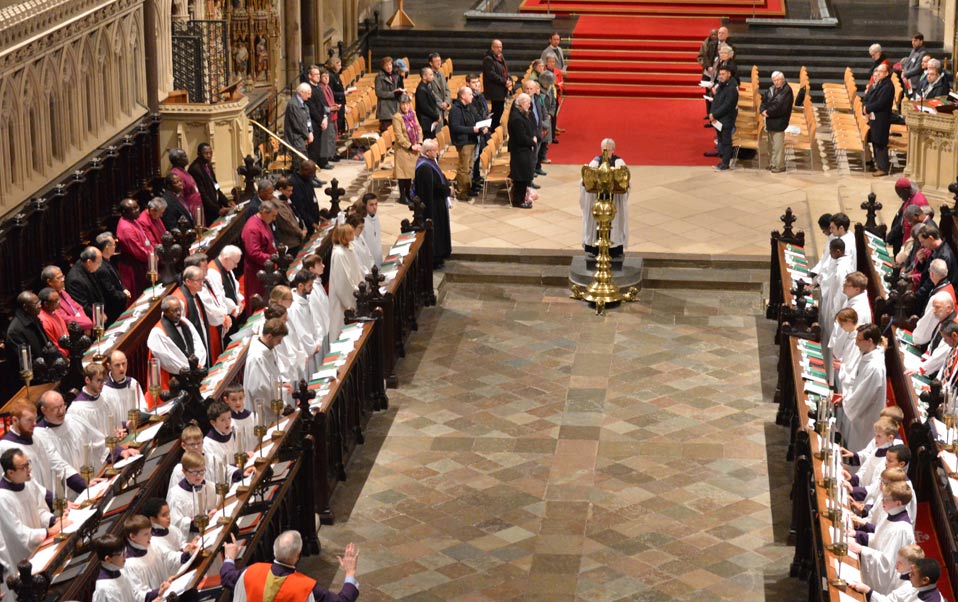
The FAQs: Anglican Communion ‘Suspends’ Episcopal Church
The Anglican Communion has distanced itself from the Episcopal Church because of same-sex marriage.
John Yates on Challenges for Conservative Anglicanism
“Will we stay true to the uniqueness and sufficiency of Jesus, and to the authority and sufficiency of Scripture?”

The Worst Time to Plant a Church
The Falls Church Anglican spent about a decade in court, fighting the Episcopal denomination for its property. At the same time, it planted seven churches.

The Book of Common Prayer: A Biography
Alan Jacobs has produced a useful overview of the Anglo-Catholic approach to Anglican liturgy and the history of its prayer books.
It Happened to George Washington’s Church
Times of cultural opposition call for renewal and awakening. They call for stories of God’s sovereign work. This is one of those stories. This is the awakening of George Washington’s church.
