×
 

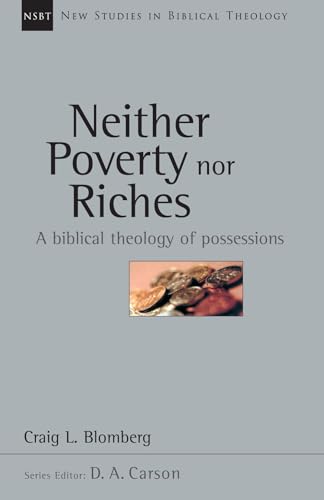
Neither Poverty nor Riches A biblical theology of possessions (New Studies in Biblical Theology 7)

Written by Craig L. BlombergReviewed By Dewi Hughes

In his ‘Introductory considerations’ the author sets out to write a biblical theology of material possessions which takes into account the OT and intertestamental foundations and which attends to the ‘historical backgrounds, literary context, the unique genres of each portion of Scripture and the key hermeneutical issues attaching to a contemporary application of the biblical data’ (28). He does this through a largely chronological examination of the relevant biblical and intertestamental material. The first two chapters are devoted to the OT with chapter 1 focusing on the historical books and chapter 2 on the wisdom and prophetic literature. Chapter 3 deals with the ‘Additional historical background’ to the NT in the intertestamental literature. Chapters 4–7 deal with the NT material in chronological order; ‘The teaching of Jesus in the Synoptic Gospels’; ‘Earliest Christianity’; ‘The life and teaching of Paul’ and The rest of the New Testament’ which includes the redactional emphasis of the synoptic evangelists. The final chapter entitled ‘Summary, conclusions and applications’ is followed by a 37 page ‘Bibliography’ and an ‘Index of Authors’.

This review is going to be very positive but a few blemishes do need to be noted. ‘The page heading from pages 19–85 is The Old Testament Wisdom and Prophetic Literature’—it should be the heading of pages 57–85. The first sentence on page 76, running over from page 75 is incomplete. ‘Acts 9:1–5’ at the beginning of paragraph 2 on page 196 should be ‘2 Corinthians 9:1–5’. More substantially the value of the chapter on intertestamental material can be questioned and it is odd that a section on ‘Information from the Gospels …’ should be included in this chapter. Hebrews 13:16 was missed in the section on the letter and one wonders about the relevance of the section on Jesus’ interview with the Samaritan woman in the section on John’s gospel. While two chapters are devoted to the OT this is really a book on the NT teaching on possessions with reference to the OT background. One wonders whether if more attention had been given to the OT the author would have ended up being more positive about social action (changing structures) than he is.

Having dispatched what are fairly minor criticisms it must be said that this volume is a superb example of what Christian biblical scholarship should be. The thoroughness of the research work is awesome as witnessed by the massive bibliography. But this is no dry academic treatise. To the contrary, through the profound scholarship comes a prophetic voice that is explosive in its implications for us as rich Westerners. The book should carry a warning—‘This volume could damage your complacent and uncaring Western lifestyle’. In a world where over a billion people go to bed hungry every night it should be required reading for everyone who is in any way involved with the teaching ministry of the church. Blomberg believes that we have ‘lost the long-standing Western and Christian tradition of stewardship’ of possessions (253). If this volume is taken as seriously as it should be taken, a significant contribution will be made to taking us back to the position from which we have fallen.


Dewi Hughes

Theological Advisor, Tearfund